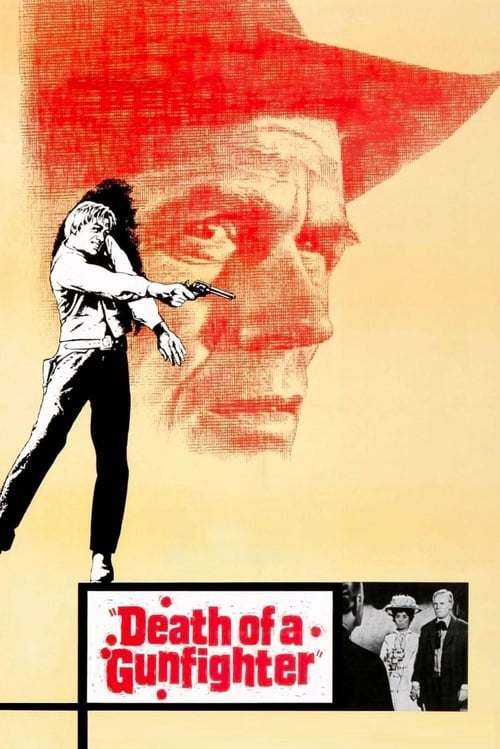
Death of a Gunfighter
1969
No user ratings available yet
Representation score: 1.0 out of 10
Representation Score
Limited
1969
NRDirector
Federico Curiel
Runtime
88 minutes
Average Rating
No ratings yetNew Showbiz Analysis
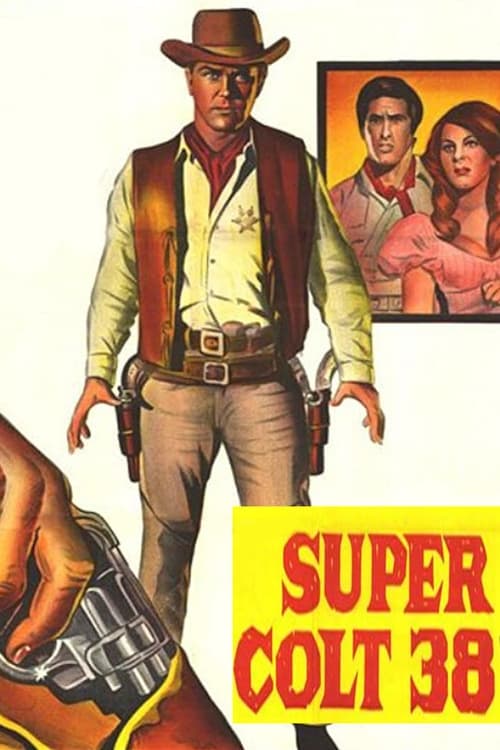
Super Colt 38 is a traditional Spaghetti Western that emphasizes psychological depth over social diversity. While the protagonist's struggle with guilt offers a nuanced exploration of morality, the film adheres closely to the genre's established conventions. The narrative structure focuses on masculine themes and traditional gender roles. This leaves little room for diverse perspectives or characters who reflect more than one aspect of diversity. Overall, the film serves primarily as a character-driven study of a man's conscience, rather than a work of social commentary. It follows the homogeneous casting and structural norms typical of 1969 Westerns.
Category Breakdown
The film does not include any LGBTQ+ characters or stories about non-cisgender identities. The plot revolves around a traditional male character facing moral conflicts and crises.
The story centers on a male protagonist dealing with internal moral struggles. Female characters play supporting roles, often defined by their relationship to the male lead.
The narrative focuses on a personal conflict between two men. It follows typical Western storytelling conventions of the time without showing a diverse cast.
The film explores moral complexity through themes of guilt and subjective morality. It stays within traditional Western structures of justice and individual honor.
There are no characters with physical, sensory, or neurodivergent disabilities mentioned in the narrative.
Present on Screen
Limited or Absent
Official Synopsis
Billy Hayes, the marshal, discovers that the bandit whom he has been pursuing so long, and who has for months been torching his county, is none other than an old friend from childhood. Upon being confronted with the truth, the friend draws his gun, and Billy is forced to kill him in justifiable defense. Overwhelmed by guilt, he renounces his office and swears to never use arms again. He rides off toward the town where he and his old friend grew up together. Upon arriving there, he soon becomes involved in a dangerous situation, where Billy must decide whether he will fulfill his promise to keep away from arms, or intervene to save the honor of a woman and the life of an innocent man.
1969
1958
1967
1967

1958
1959
1966
1971
No reviews yet. Be the first to share your thoughts on this movie!
Use the rating form above to leave a star rating and optional review.