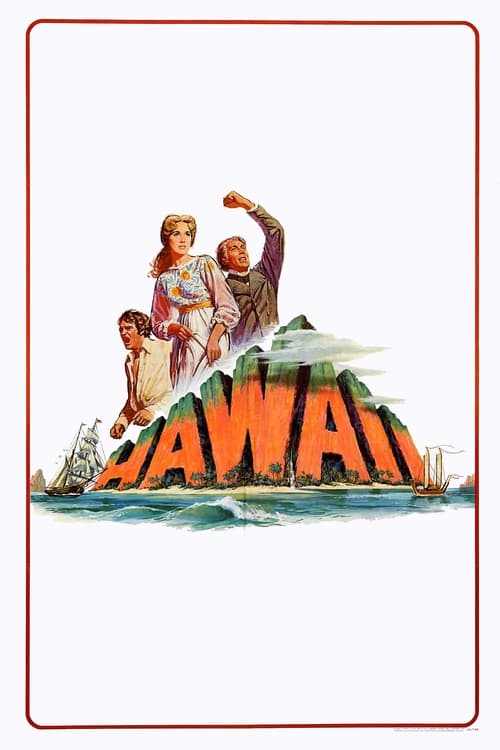
Hawaii
1966
No user ratings available yet
Representation score: 3.0 out of 10
Representation Score
Limited
1970
PGDirector
Tom Gries
Runtime
134 minutes
Average Rating
No ratings yetNew Showbiz Analysis
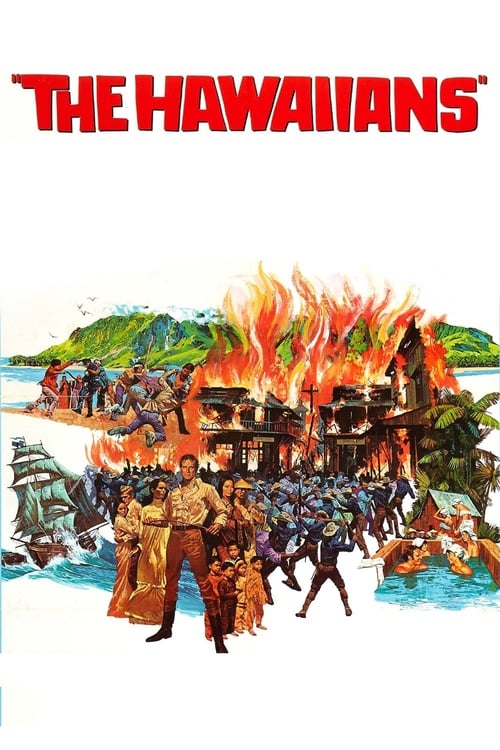
The Hawaiians functions as a compelling historical drama that prioritizes a post-colonial perspective. It successfully centers the Native Hawaiian experience, using the collision of Polynesian social orders and Western expansionism to drive its narrative tension. While the film excels in ethnic and cultural representation, it remains conservative in its depiction of social identities. The narrative adheres to established 19th-century hierarchies regarding gender and lacks any presence of LGBTQ+ or disability-focused storylines. Ultimately, the film is a study of cultural friction. It succeeds in portraying the ability to act of indigenous populations facing colonization, even as it maintains traditional views on gender and sexual identity.
Category Breakdown
The film does not include any identifiable LGBTQ+ characters or narratives. The social landscape is strictly based on traditional romantic and familial structures of the 19th century.
Female characters navigate shifting political tides but operate within the constraints of period-specific social expectations. The film does not significantly challenge traditional masculine leadership or gendered power dynamics.
The production centers the Native Hawaiian experience amidst Western settlement. By using both indigenous and Western performers, it avoids a purely Anglo-centric perspective and highlights ethnic tensions.
The narrative offers a sophisticated critique of Western institutional expansion. It portrays missionary structures and capitalist land acquisition as disruptive forces that cause cultural displacement and systemic upheaval.
There is no discernible focus on physical, neurodivergent, or sensory disabilities within the primary character arcs or the central plot progression.
Present on Screen
Limited or Absent
Official Synopsis
A wanderer returns home only to find political turmoil, disease and romantic difficulties.
1966

1959

1947

1963
1966

1954
1959
1969
No reviews yet. Be the first to share your thoughts on this movie!
Use the rating form above to leave a star rating and optional review.