Ladies of Steel
2020
No user ratings available yet
Representation score: 5.6 out of 10
Representation Score
Excellent
1995
RDirector
Marleen Gorris
Runtime
102 minutes
Average Rating
No ratings yetNew Showbiz Analysis
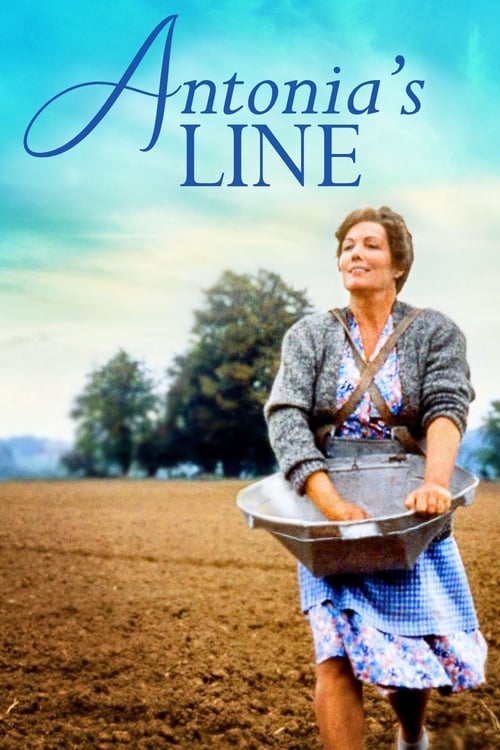
Marleen Gorris’s film is a powerful exploration of a matriarchal ecosystem that challenges post-WWII patriarchal structures. By centering female empowerment and collective decision-making, the film creates a world where women drive both the plot and moral direction. The film’s strength lies in its sophisticated deconstruction of social hierarchies. It uses moral relativism to frame the breakdown of traditional order as a form of liberation, making the community's survival a triumph of identity-based power. However, the film's focus on a specific rural Dutch setting limits its racial and ethnic breadth. While it explores social outsiders within a homogeneous environment, it lacks a multi-ethnic cast.
Category Breakdown
The film emphasizes strong, non-traditional female friendships over typical heterosexual family setups. Though it doesn't show explicit romantic same-sex relationships, it challenges social norms by highlighting a chosen female community over the nuclear family.
This film stands out by giving women almost exclusive control over the narrative. It dismantles male leadership, placing female empowerment at the center of the story's moral universe.
Set in a rural Dutch context after World War II, the film focuses on social outsiders within a largely homogeneous landscape. It explores characters as social outcasts rather than a diverse ethnic mix.
The narrative questions traditional Western institutions and patriarchal authority as oppressive. It portrays extrajudicial actions as a justified reclaiming of power against systemic injustice and established norms.
Characters with unconventional social behaviors, like Crooked Finger, are shown to have ability to act despite being on the fringes of society. However, the film focuses more on gender issues than on specific disability experiences.
Present on Screen
Limited or Absent
Official Synopsis
After World War II, Antonia and her daughter, Danielle, go back to their Dutch hometown, where Antonia's late mother has bestowed a small farm upon her. There, Antonia settles down and joins a tightly-knit but unusual community. Those around her include quirky friend Crooked Finger, would-be suitor Bas and, eventually for Antonia, a granddaughter and great-granddaughter who help create a strong family of empowered women.
2020
1989
2018

2016
1996
1977
2001
2020
No reviews yet. Be the first to share your thoughts on this movie!
Use the rating form above to leave a star rating and optional review.