
Little Secrets
2006
No user ratings available yet
Diversity score: 5.1 out of 10
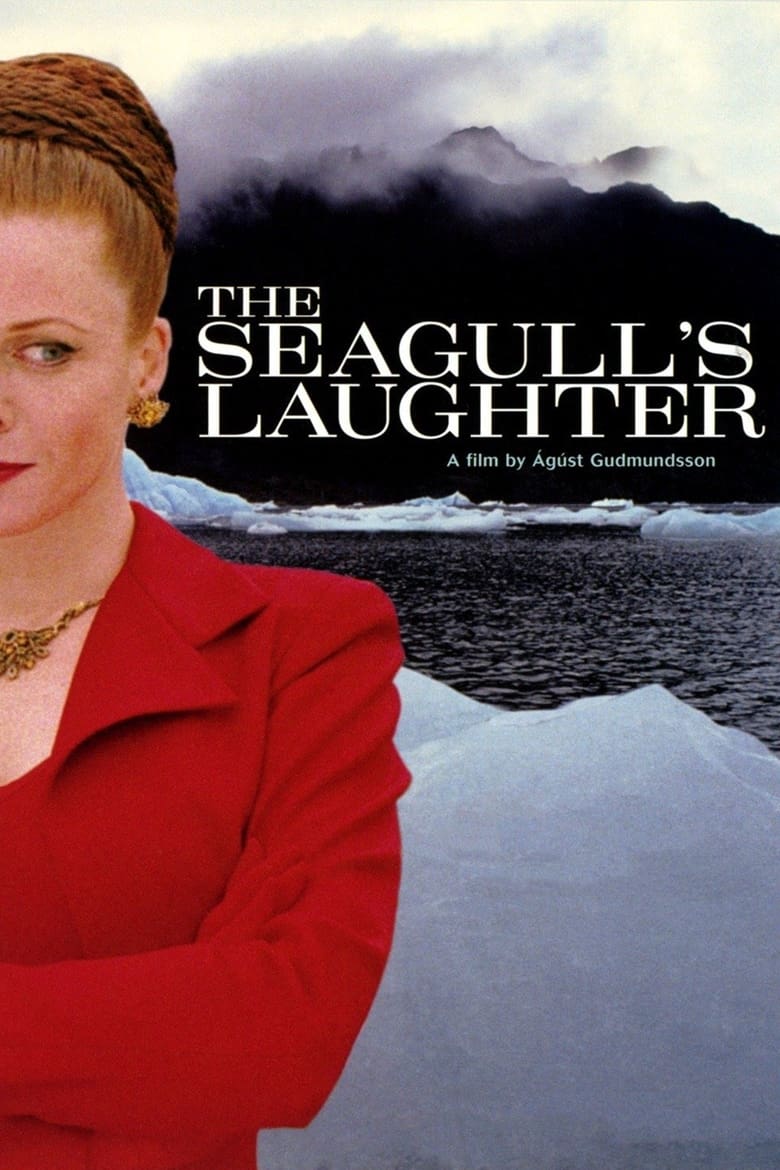
2001
Director
Ágúst Guðmundsson
Runtime
102 minutes
Average Rating
No ratings yetSynopsis
Post-war provincial Iceland: around 1950, Freyja, who'd been a plump teen, returns from America, a widow with a 20-inch waist, seven suitcases of dresses, and a list of who ever wronged or slighted her. She moves in with an aunt and socialist uncle: finding a new husband is high on her agenda, and she's mistrusted by Agga, a pre-teen who's our eyes and ears. The social order and Freyja are more complicated than they seem at first, and so may be her prospects. Class divisions, families ties, pride, the onset of puberty, and the power of Eros sliver the ice.
Overall Score
Fair
Category Breakdown
LGBTQ+ Representation
The film focuses on traditional romantic frameworks and the protagonist's search for a husband. There is no explicit depiction of non-heteronormative identities or relationships.
Gender Representation
Freyja serves as a strong central figure who exerts significant agency through her personal vendettas. Her presence disrupts the trope of the passive female protagonist in a male-dominated landscape.
Racial & Ethnic Diversity
Set in 1950s Iceland, the film operates within a historically homogeneous context. While transatlantic cultural exchange is present, there is no evidence of intersectional or diverse casting.
Religious & Cultural Diversity
The narrative critiques rigid class structures and capitalist hierarchies through characters like a socialist uncle. It prioritizes personal morality over institutional or religious norms.
Disability Representation
The film contains no visible or invisible disabilities within the provided narrative details.
Strengths
Areas for Improvement
AI Analysis
The film is a character-driven study that excels at subverting gender tropes by centering on a woman with clear agency and personal agendas. It uses social friction and class divisions to provide a sophisticated critique of traditional hierarchies. However, the film is limited by its historical and geographic setting, which results in low racial and ethnic diversity. The narrative also lacks explicit LGBTQ+ representation, adhering to a more traditional romantic structure. Ultimately, the work succeeds as a nuanced exploration of individual agency against social structures, even if it does not engage with modern identity politics.
2006

1999

2020
1985

1993
2022
2011
2003

2002

2002

2001
1975
No reviews yet. Be the first to share your thoughts on this movie!
Use the rating form above to leave a star rating and optional review.