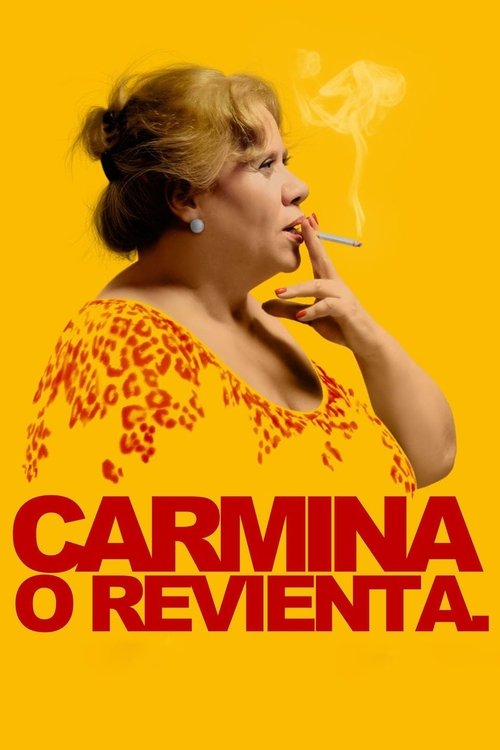
Carmina or Blow Up
2012
No user ratings available yet
Representation score: 7.5 out of 10

Representation Score
Good
2016
Director
Icíar Bollaín
Runtime
96 minutes
Average Rating
No ratings yetNew Showbiz Analysis
The Olive Tree is a sophisticated critique of the tension between agrarian traditions and globalized capitalism. It succeeds by centering the narrative on a female protagonist who possesses the ability to act to challenge systemic economic pressures. While the film lacks racial or LGBTQ+ diversity, it offers a deep exploration of regional identity and the psychological toll of industrialization. The portrayal of mental distress through the grandfather provides a nuanced look at how cultural displacement affects individuals. Ultimately, the film's strength lies in its ability to frame the struggle against economic systems as a heroic, moral arc rather than an inevitable byproduct of progress.
Category Breakdown
The film does not include any LGBTQ+ characters or narratives. The story focuses solely on traditional family and generational bonds within a rural setting.
Alma serves as the narrative's moral and intellectual leader. She disrupts patriarchal structures by playing a significant role in driving the story, while the adult men are immobilized by grief or economic hardship.
The setting is a culturally specific, homogeneous Spanish rural community. Diversity is shown through socioeconomic status rather than multi-ethnic or racial backgrounds.
The film critiques how industrial modernization erodes ancestral traditions. It portrays the shift to mass production as a source of systemic trauma and spiritual decline.
The grandfather’s profound grief and refusal to eat are treated with dignity. His psychological distress is presented as a legitimate response to cultural loss.
Present on Screen
Limited or Absent
Official Synopsis
Alma’s family has been producing quality olive oil in the Baix Maestrat area of Spain’s Castellón for generations. Yet changing pressures in the industry have made their traditional practices economically untenable, and the family is now in the mass-production poultry business. Alma’s grandfather has not spoken in years. Sadness envelopes him, and he no longer wants to eat. His sons—Alma’s father and uncle—are impatient with him, but Alma understands her grandfather. She realizes he has been grieving for a thousand-year-old olive tree that the family has uprooted and sold to pay some debts. (A sadly common reality in Castellón at present.) Unable to bear the idea that her grandfather could die without seeing this terrible wrong corrected, Alma undertakes a quixotic mission to locate the tree and return it to the family orchard, so that her grandfather may have peace in his final days.
2012

2016
2017
2017

2017

2010
2020
2020
No reviews yet. Be the first to share your thoughts on this movie!
Use the rating form above to leave a star rating and optional review.