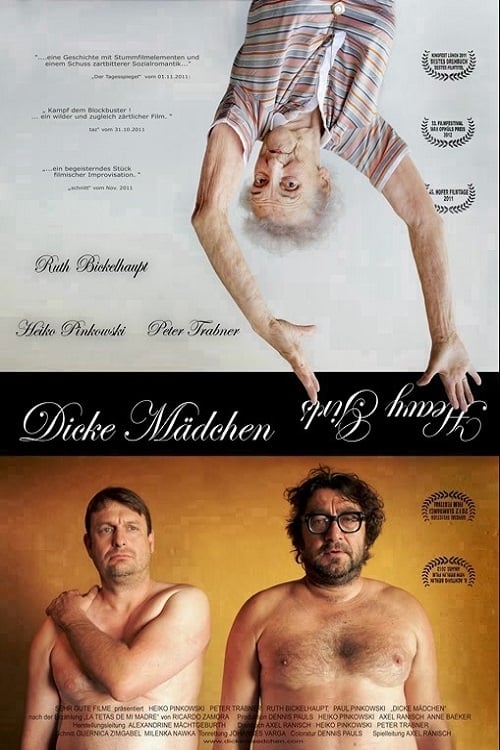
Heavy Girls
2012
No user ratings available yet
Representation score: 8.3 out of 10
Representation Score
Good
2001
PGDirector
Lieven Debrauwer
Runtime
78 minutes
Average Rating
No ratings yetNew Showbiz Analysis
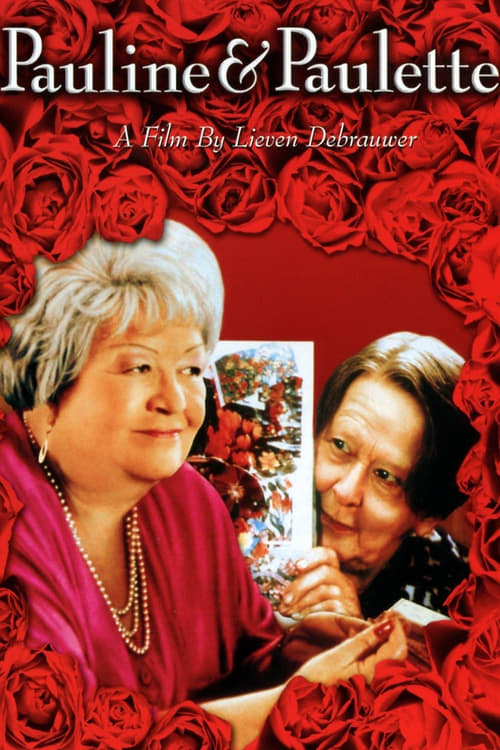
Pauline & Paulette is a character-driven drama that deconstructs traditional domestic roles. It avoids the trap of 'inspiration porn' regarding disability, offering a realistic and nuanced view of how neurodivergence affects family dynamics and inheritance. The film's strength lies in its female-centric narrative structure, which places moral and systemic responsibility on the sisters. However, the lack of racial and ethnic diversity, explicit LGBTQ+ representation, and exploration of diverse cultural or religious perspectives limits its broader social impact.
Category Breakdown
The film explores non-traditional family dynamics and neurodivergence without depicting explicit LGBTQ+ identities. However, the fractured relationship between sisters offers a unique perspective on domestic life.
The story centers on women's ability to drive the story and the complexities of sisterhood. By removing male figures from the decision-making process, the film highlights the power of women in driving the narrative.
The cast appears relatively homogeneous, focusing on a localized domestic struggle without significant racial or ethnic diversity.
The story prioritizes personal morality over religious guidance. It critiques the idealized 'nurturing family' by examining how material wealth and inheritance can corrupt familial bonds.
Pauline, a woman with intellectual disabilities, serves as the central catalyst for the plot. The film presents a realistic look at the logistical and emotional burdens of caregiving without resorting to sentimentality.
Present on Screen
Limited or Absent
Official Synopsis
Pauline is a 'little girl of 66 years old'. She is mentally retarded and been cared after by her sister Martha. When Martha dies, her two younger sisters, Paulette and Cecile have to make a decision on the best place for Pauline to be looked after. Neither of them is ready to take care of her. Paulette has a shop to look after and Cecile has her Albert. But according to Martha's last will, her fortune will only be divided in three equal parts if one of the sisters looks after Pauline. If they decide to take her to an institution, Pauline will be the only heir.
2012

1995

1995

1985

2010

2023
2005
1999
No reviews yet. Be the first to share your thoughts on this movie!
Use the rating form above to leave a star rating and optional review.