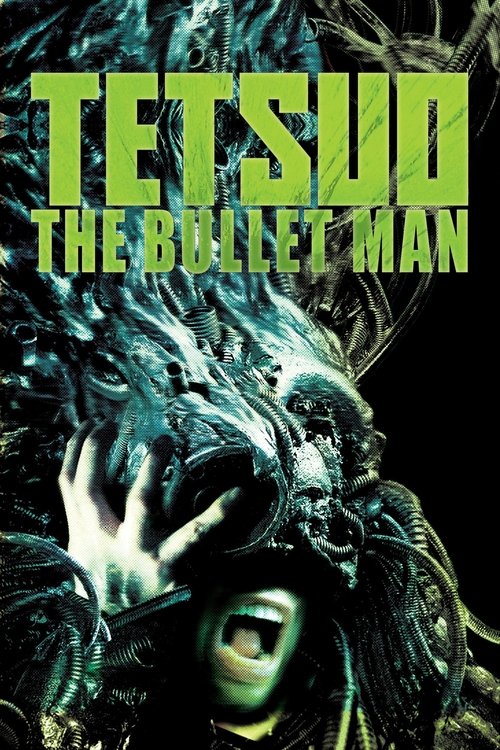
Tetsuo: The Bullet Man
2010
No user ratings available yet
Representation score: 5.3 out of 10

Representation Score
Minimal
2003
RDirector
Ryuhei Kitamura
Runtime
119 minutes
Average Rating
No ratings yetNew Showbiz Analysis
Alive is a highly stylized genre piece that prioritizes kinetic action and visceral spectacle over social complexity. The narrative follows conventional clichés of retribution and survival, focusing almost exclusively on a male protagonist's physical prowess. While the film offers a non-Western perspective through its Japanese production and East Asian cast, it lacks intentionality regarding multi-layered themes. It functions as a culturally specific genre film rather than a platform for exploring systemic or identity-based narratives. Ultimately, the film's focus on individualistic survival and hyper-violence leaves little room for diverse representation or the disruption of traditional social hierarchies.
Category Breakdown
The film adheres to a traditional framework that assumes everyone is straight or cisgender. There are no queer themes or non-binary gender identities explored in the survivalist storyline.
The story centers around male-driven combat and physical strength. A female character's trauma drives the plot, but she functions more as a catalyst rather than having her own independent role.
As a Japanese production, the film features an East Asian cast. However, it does not use the narrative to critique racial hierarchies or explore multicultural themes.
The film focuses on survival against biological or mechanical threats. It avoids critiques of religion or capitalism, centering instead on personal revenge and individual survival.
Physical trauma and experimentation serve the film's graphic aesthetic. There are no nuanced depictions of disability or neurodivergence based on lived experiences.
Present on Screen
Limited or Absent
Official Synopsis
Tenshu is imprisoned and sentenced to death for murdering the men who raped his girlfriend. However, he manages to survive his execution and is presented with an option: face another execution attempt or subject himself to their bizarre and dangerous experiments.
2010

1991

1995
1992

2022

2003

2009

2004
No reviews yet. Be the first to share your thoughts on this movie!
Use the rating form above to leave a star rating and optional review.