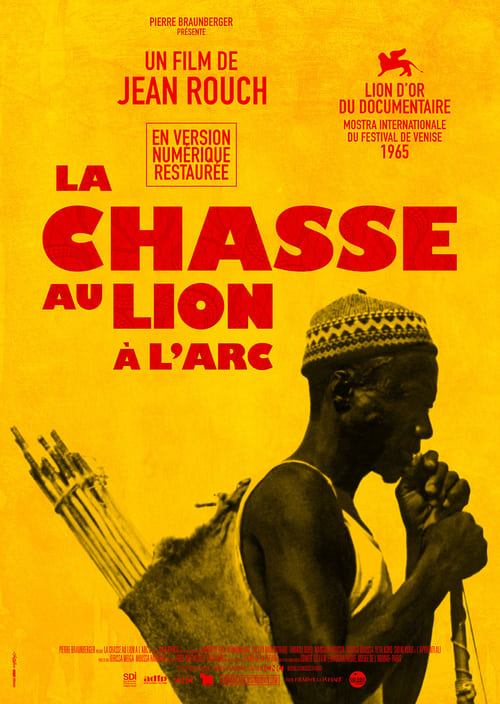
The Lion Hunters
1966
No user ratings available yet
Diversity score: 6.5 out of 10

1957
NRDirector
John Marshall, Robert Gardner
Runtime
72 minutes
Average Rating
No ratings yetSynopsis
An ethnographic documentary following four Ju/’hoansi (!Kung) men during a multi-day giraffe hunt in the Kalahari Desert, filmed during the Smithsonian–Harvard Peabody expedition of 1952–53.
Overall Score
Fair
Category Breakdown
LGBTQ+ Representation
The film focuses strictly on the mechanics of a communal giraffe hunt. There is no explicit depiction of non-heteronormative identities or queer subtext within this ethnographic study.
Gender Representation
The narrative centers almost exclusively on the male experience of the hunt. While reflecting traditional social divisions of labor, the film lacks female agency or perspectives in the active plot.
Racial & Ethnic Diversity
The documentary excels by centering the Ju/’hoansi people as a non-Western majority. The subjects possess high agency, driving the narrative through their cultural expertise and coordination.
Religious & Cultural Diversity
The film presents a sophisticated, non-industrial way of life that prioritizes communal existence. It provides a counter-narrative to mid-century Western emphasis on industrialization and structured religious institutions.
Disability Representation
There is no evidence of characters with visible or invisible disabilities being utilized as plot devices or central to the narrative.
Strengths
Areas for Improvement
AI Analysis
The Hunters is a significant ethnographic work that disrupts 1950s cinematic norms by centering indigenous agency. It provides a rare historical record of the Ju/’hoansi people driving their own narrative. However, the film is constrained by the traditional social frameworks of its era. The focus on a male-dominated hunt results in a lack of gender diversity and modern intersectional visibility. Ultimately, the film's strength lies in its refusal to center a Western gaze, even if it lacks representation in other modern social categories.
1966

2012
1998
2014

2006
1960
1989

2009
2000

2020
1998
2015
No reviews yet. Be the first to share your thoughts on this movie!
Use the rating form above to leave a star rating and optional review.