You are here:

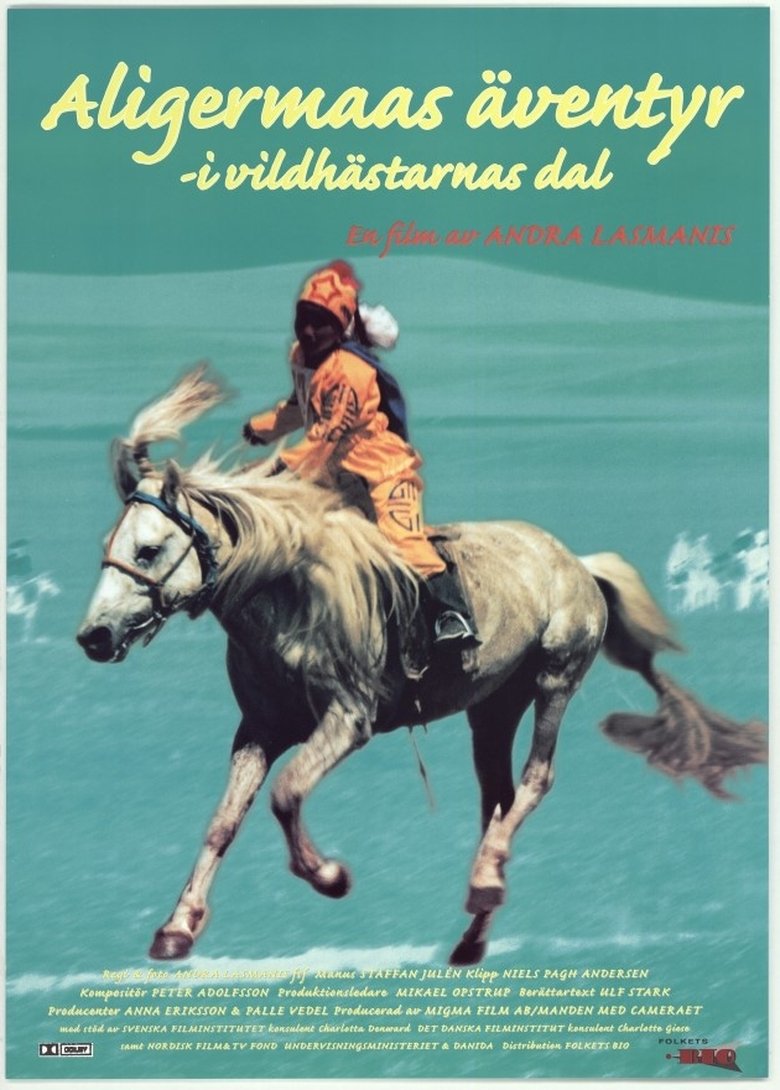
The Adventures of Aligermaa

The Adventures of Aligermaa

Representation Score

6.1/10

Good

1998

Btl

Director

Andra Lasmanis

Runtime

66 minutes

Average Rating

No ratings yet

New Showbiz Analysis

The film is a powerful piece of ethnographic storytelling that successfully disrupts Western-centric narrative dominance. By placing a young Mongolian girl at the center of a demanding cultural tradition, it provides a rare and authentic window into non-Western social fabrics. Its greatest strength lies in its ethnic and racial authenticity, moving beyond superficial depictions to honor the ability to act of its subjects. While it lacks specific representation for LGBTQ+ or disability themes, its focus on gendered ability to act and indigenous customs makes it a vital cultural document. Ultimately, the film succeeds by presenting a sophisticated alternative to modern Western social structures, focusing on the spiritual and communal ties of the Mongolian steppes.

Watch this, not that →

Category Breakdown

Does The Adventures of Aligermaa have LGBTQ+ representation?

Fair

The film focuses on familial bonds and human-animal relationships within a traditional Mongolian context. There is no evidence of LGBTQ+ characters or non-straight relationships in the narrative.

How does The Adventures of Aligermaa portray gender?

Good

The story centers on nine-year-old Aligermaa, who plays a significant role in driving the story. She actively participates in the physically rigorous Naadam horse races, challenging the idea that young girls are relegated to secondary roles.

How racially and ethnically diverse is The Adventures of Aligermaa?

Excellent

The documentary excels by centering Mongolian identity and indigenous customs. It avoids a touristic gaze, instead offering a localized perspective on the lived experiences of people on the steppes.

How does The Adventures of Aligermaa represent religion and culture?

Good

The film portrays a culture operating outside Western frameworks, emphasizing a symbiotic relationship with nature. It highlights communal traditions and seasonal cycles through a lens of cultural specificity.

Does The Adventures of Aligermaa include disability representation?

Minimal

There is no information available regarding the portrayal of physical or neurodivergent disabilities in this work.

Present on Screen

  • Exceptional centering of Mongolian identity and indigenous customs.
  • Strong women's ability to drive the story through the protagonist's participation in rigorous traditions.
  • Authentic ethnographic perspective that avoids a superficial touristic gaze.

Limited or Absent

  • Lack of explicit representation for LGBTQ+ identities.
  • No visible focus on physical or neurodivergent disability representation.

Official Synopsis

Nine-year-old Aligermaa and her family live on the Mongolian steppes where they breed horses, in harmony with the harsh nature surrounding them. Aligermaa adores and dreams of horses, and is happily surprised when her family enroll her in the annual horse race during the national festival of Naadam. Aligermaa is proud, but also a little nervous, especially when she learns that she will train with the famous horse trainer Sodnom – and that she will be riding the white stallion. But on a stormy night before the race Aligermaa's horse is attacked and wounded, and suddenly nothing seems certain. The Adventures of Aligermaa is a vivid and thrilling documentary. The filmmakers seemingly had close contact with the main characters and their culture, and the result is a heartfelt film with breathtaking panoramas and a captivating storyline.

How are these scores produced? →

Where to Watch

Rate this Movie

No rating selected
Use arrow keys to select a rating from 1 to 5 stars
Optional text review, maximum 2000 characters
Tip: Wrap spoilers with ||double pipes|| to hide them
0/2000 characters
You must be signed in to submit a rating

Reviews

No reviews yet. Be the first to share your thoughts on this movie!

Use the rating form above to leave a star rating and optional review.