Buck Rogers
1939
No user ratings available yet
Diversity score: 1.8 out of 10
1953
NRDirector
Ford Beebe, Saul A. Goodkind
Runtime
71 minutes
Average Rating
No ratings yetSynopsis
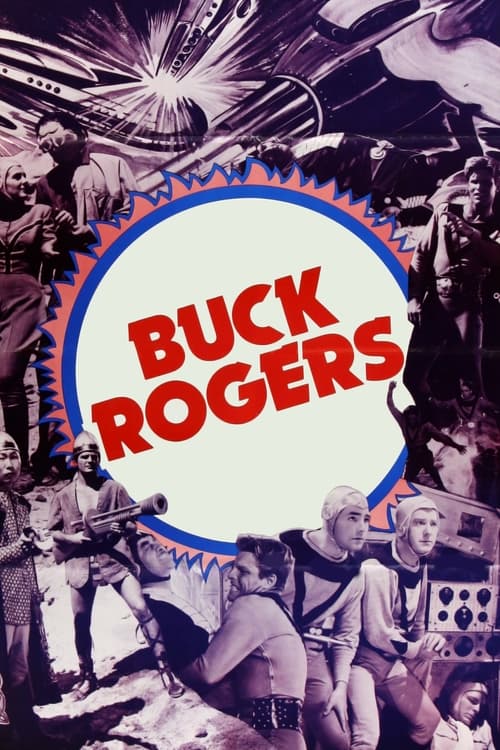
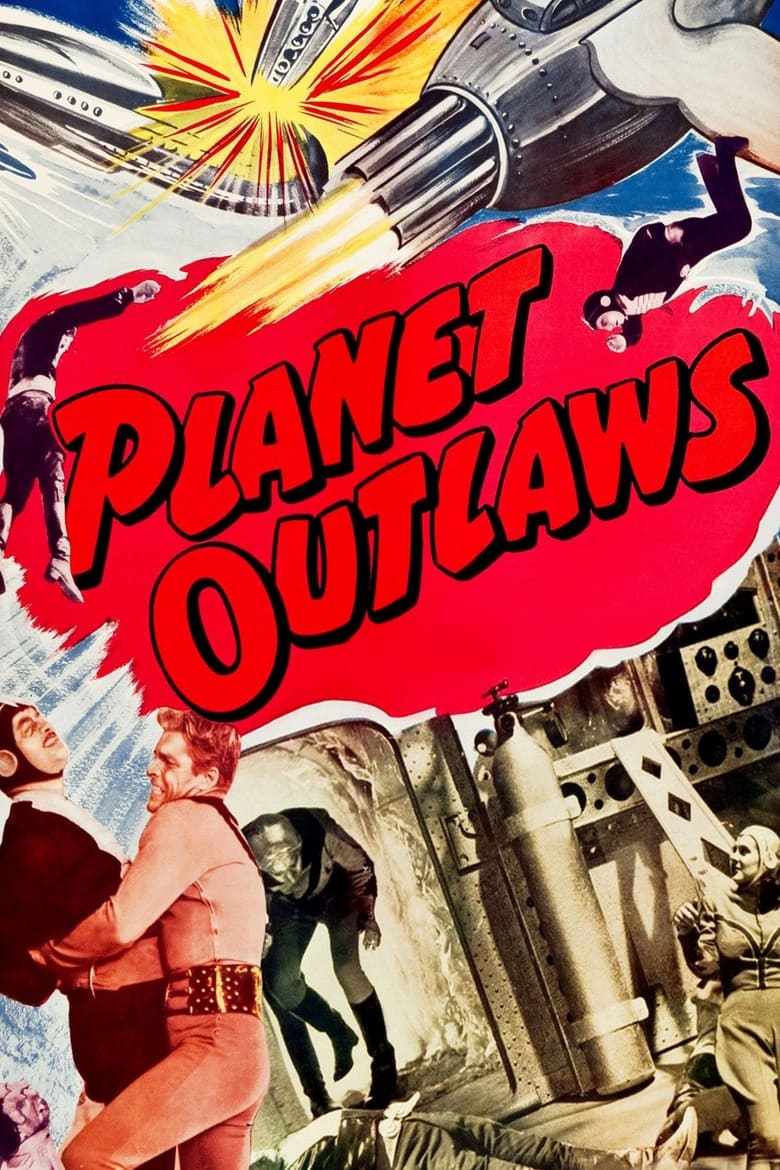
A 20th Century pilot named Buck Rogers and his young friend Buddy Wade awake from 500 years in suspended animation to find that the world has been taken over by the outlaw army of Killer Kane. Feature version of the film serial Buck Rogers by Universal Pictures, 1940.
Overall Score
Minimal
Category Breakdown
LGBTQ+ Representation
The film adheres to strict heteronormative standards typical of 1953 serial productions. There is no evidence of non-cisnormative identities or same-sex intimacy.
Gender Representation
The story centers on male protagonists Buck Rogers and Buddy Wade alongside a male antagonist. The reliance on male-driven heroism reinforces traditional gender hierarchies.
Racial & Ethnic Diversity
The narrative appears to follow conventional Western-centric casting models of the early 1950s. It lacks evidence of diverse character agency or race-bent casting.
Religious & Cultural Diversity
The film functions as a classic morality play emphasizing clear distinctions between heroes and outlaws. It aligns with mid-century values of justice and authority.
Disability Representation
Suspended animation serves as a science-fiction trope rather than a nuanced exploration of disability. No characters with disabilities are shown possessing agency or empowerment.
Strengths
Areas for Improvement
AI Analysis
Planet Outlaws is a quintessential mid-century genre piece that operates within the established social and narrative frameworks of its era. The film prioritizes linear adventure and traditional heroism over any intentional deconstruction of social hierarchies. The production adheres to the demographic norms of 1950s cinema, focusing on a singular demographic norm and masculine leadership. It lacks intersectional representation and does not attempt to disrupt traditional power dynamics or challenge conventional tropes.
1939
1952
1966
1966
1958
1939

1966
1966
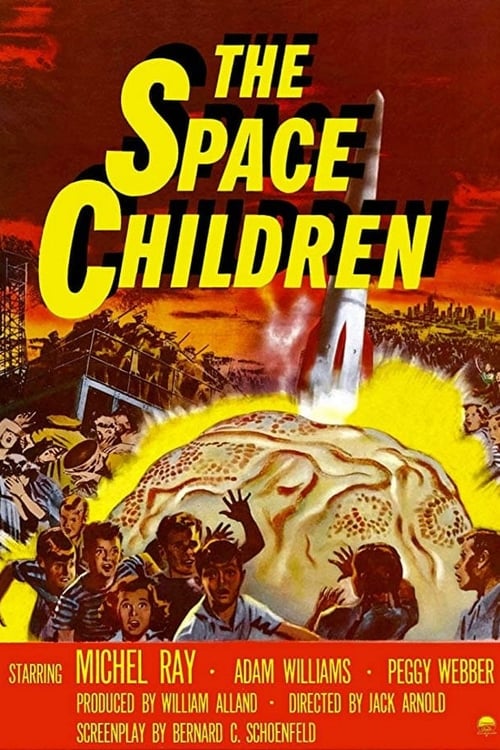
1958
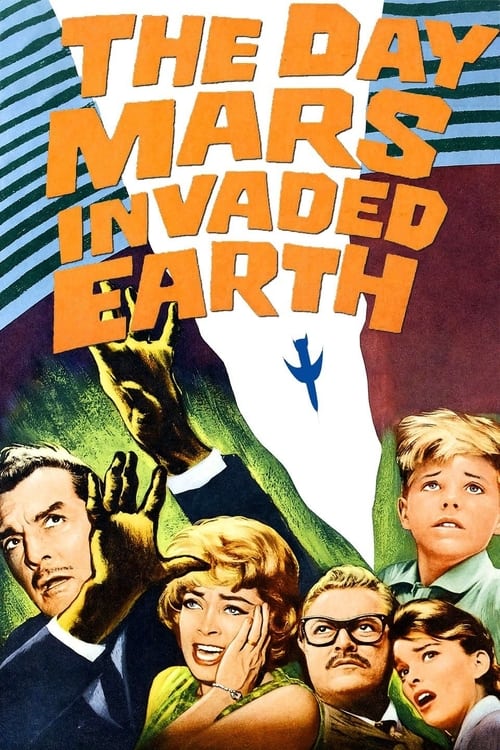
1963
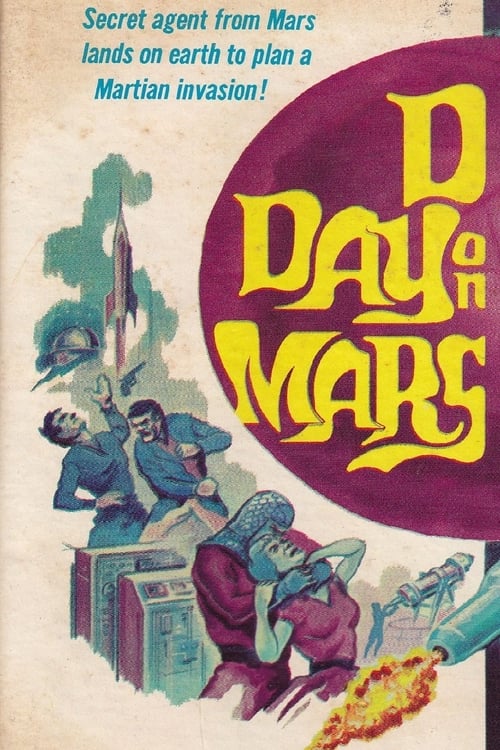
1966
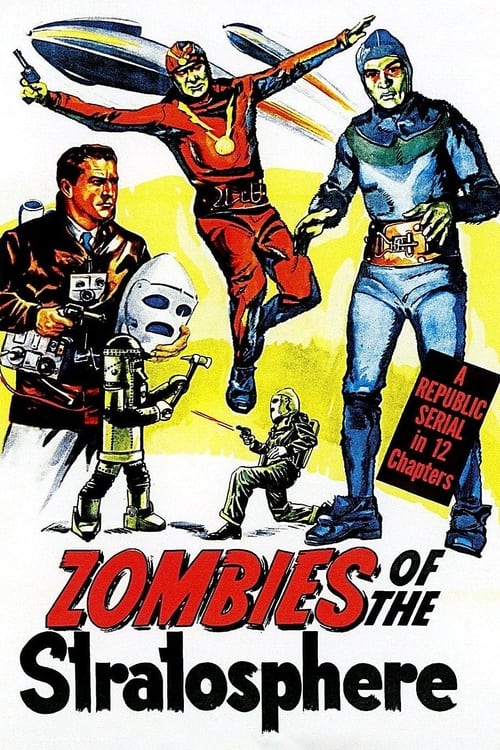
1952
No reviews yet. Be the first to share your thoughts on this movie!
Use the rating form above to leave a star rating and optional review.