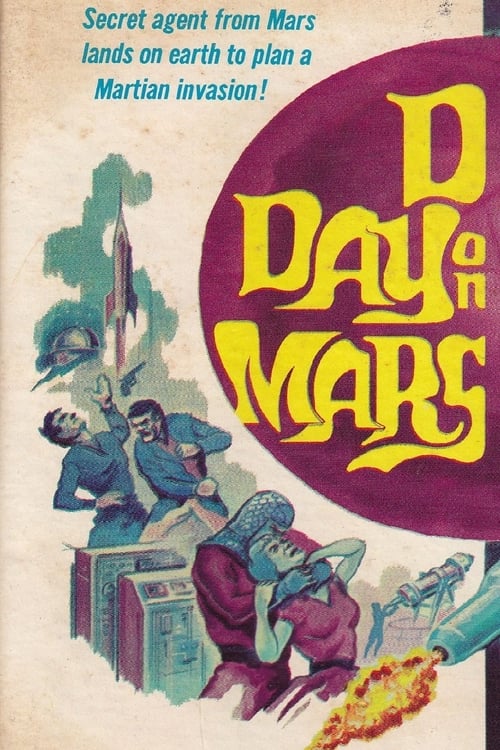
D-Day on Mars
1966
No user ratings available yet
Representation score: 2.6 out of 10

Representation Score
Minimal
1966
Director
Ford Beebe, Ray Taylor
Runtime
88 minutes
Average Rating
No ratings yetNew Showbiz Analysis
As a syndicated edit of a 1940 serial, this film is a historical artifact of early Hollywood. Its narrative structure is built on the social hierarchies and cinematic conventions of that era, prioritizing traditional adventure clichés over social complexity. The production lacks depth in representing diverse identities, relying on established genre archetypes that favor Western-centric perspectives and conventional gender roles. It serves as a straightforward escapist fantasy rather than a work of social subversion. Ultimately, the film's representation is limited by its origins, reflecting the era's standard production models and demographic frameworks.
Category Breakdown
The film does not include any LGBTQ+ characters or queer undertones. It follows the romantic archetypes typical of the 1940s era.
Female characters mainly serve as romantic interests or figures needing rescue. The story emphasizes traditional masculine leadership and the gender roles of the mid-20th century.
Casting is predominantly white and Western-focused. The work reflects the limited demographic makeup and lack of racial integration common in early Hollywood serials.
The story relies on traditional Western adventure clichés and binary morality. It functions as an escapist fantasy without critical examination of culture or society.
There are no characters with visible or invisible disabilities. The film does not provide nuanced depictions of physical impairments.
Present on Screen
Limited or Absent
Official Synopsis
Edited version of the 1940 Universal serial "Flash Gordon Conquers the Universe", released in a syndication package to TV in 1966.
1966

1964

1977

1968
1958
1958

1949

1940
No reviews yet. Be the first to share your thoughts on this movie!
Use the rating form above to leave a star rating and optional review.