
The Wild, Wild Planet
1966
No user ratings available yet
Diversity score: 2.7 out of 10

1952
NRDirector
Harry Horner
Runtime
87 minutes
Average Rating
No ratings yetSynopsis
Husband-and-wife scientists pick up a pie-in-the-sky TV message supposedly from Mars.
Overall Score
Minimal
Category Breakdown
LGBTQ+ Representation
The film contains no LGBTQ+ characters or non-cisnormative identities. The narrative adheres strictly to the heteronormative social standards of the 1950s.
Gender Representation
A husband-and-wife scientific duo anchors the premise, yet professional agency remains within a male-dominated military and scientific framework. The film reinforces traditional mid-century gender hierarchies.
Racial & Ethnic Diversity
The cast is homogeneous, reflecting typical 1950s studio productions. There is no evidence of racial blending or the use of non-human species as ethnic metaphors.
Religious & Cultural Diversity
The story operates within a Western framework emphasizing military discipline and institutional authority. It upholds contemporary social norms rather than offering cultural critiques.
Disability Representation
Characters are portrayed as able-bodied professionals. There is no visible or invisible disability, nor any integration of neurodivergence into the character arcs.
Strengths
Areas for Improvement
AI Analysis
Red Planet Mars is a quintessential product of its era, functioning as a conventional science fiction piece that reinforces 1950s social hierarchies. The film lacks intersectional depth, presenting a homogeneous perspective that aligns with the patriarchal and Western-centric standards of its time. The narrative structure prioritizes established institutional authority and traditional gender roles. It does not attempt to subvert systemic norms or introduce diverse identities, making it a standard genre entry of the mid-century period.
1966

1953

1961

1958
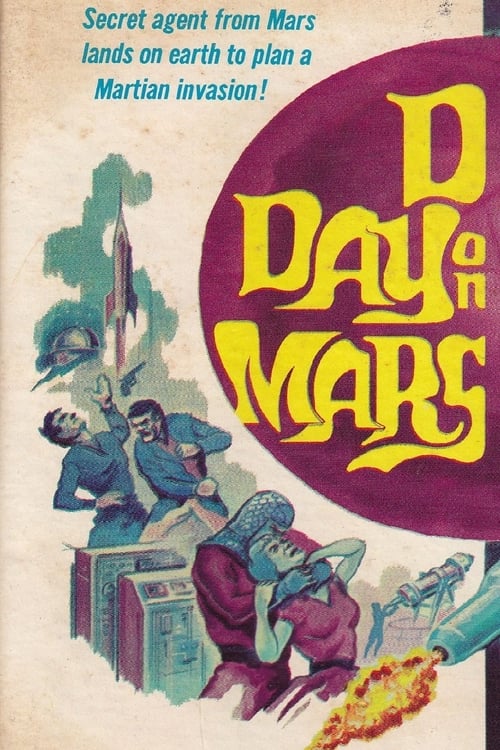
1966

1963
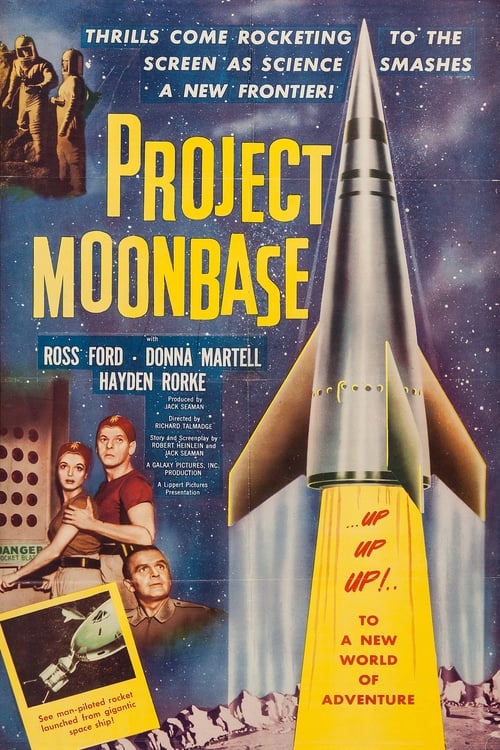
1953

1966

1966

1958
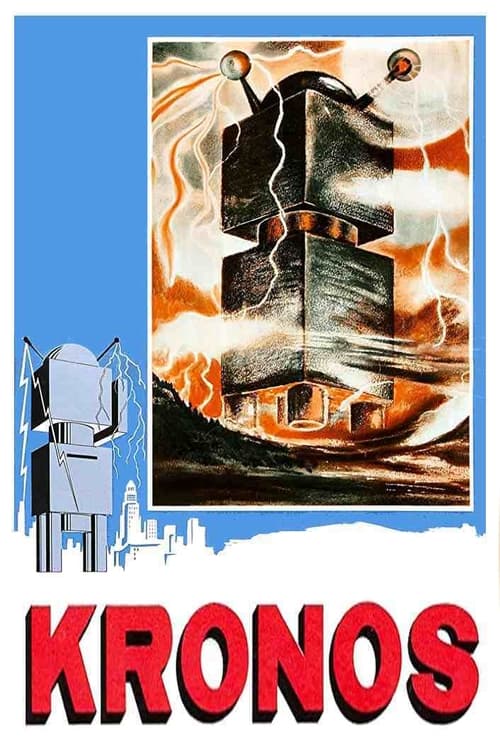
1957

1966
No reviews yet. Be the first to share your thoughts on this movie!
Use the rating form above to leave a star rating and optional review.