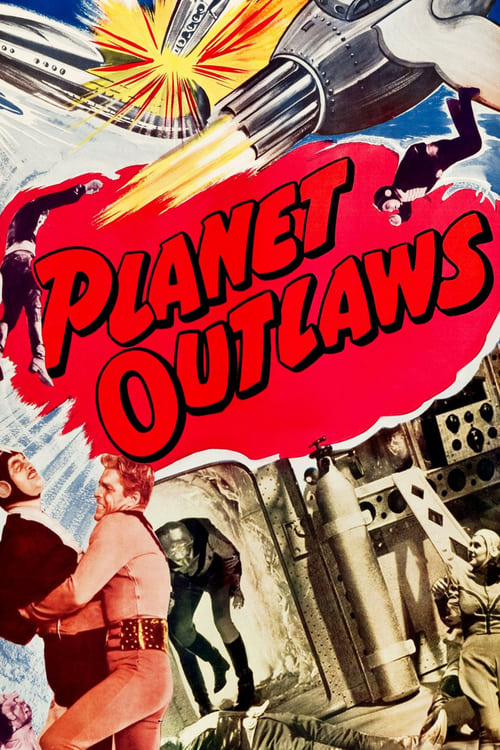
Planet Outlaws
1953
No user ratings available yet
Diversity score: 1.9 out of 10
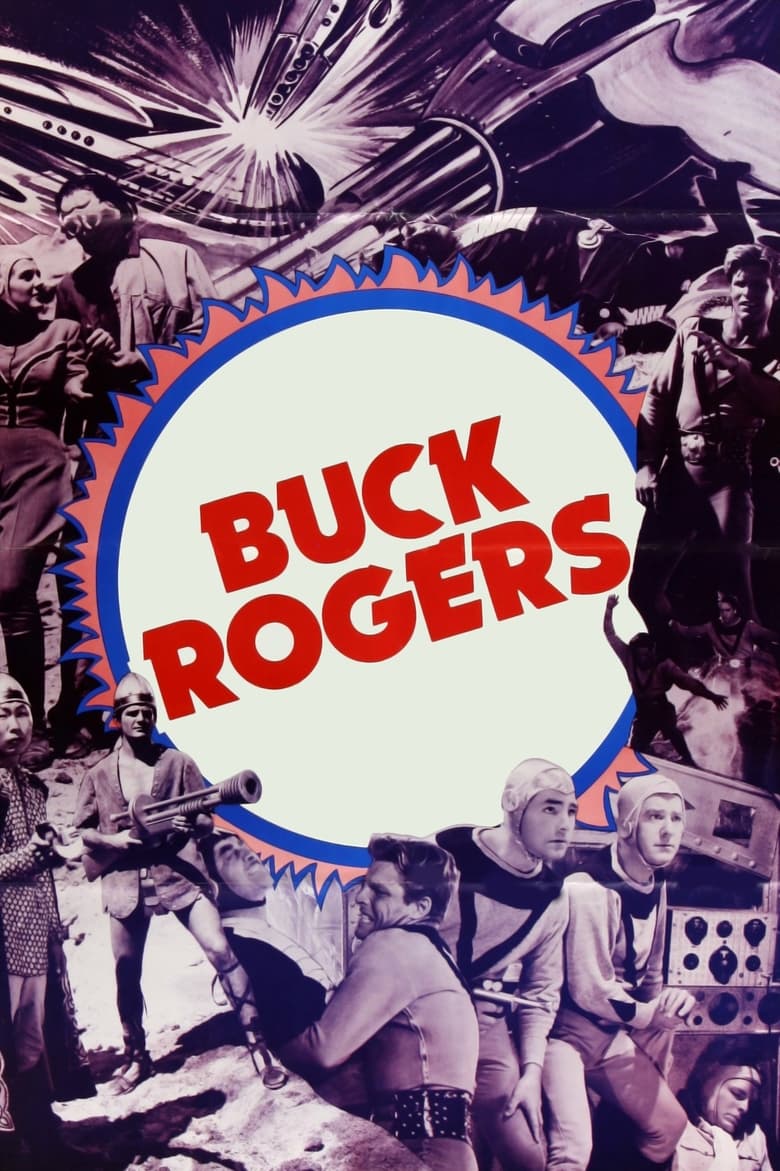
1939
NRDirector
Ford Beebe, Saul A. Goodkind
Runtime
237 minutes
Average Rating
No ratings yetSynopsis
Buck Rogers and Buddy Wade are in the middle of a trans-polar dirigible flight when they are caught in a blizzard and crash. Buddy then releases a special gas to keep them in suspended animation until a rescue party can arrive. However, an avalanche covers the craft and the two are in suspended animation for 500 years. When they are found, they awake to find out that the world has been taken over by the outlaw army of Killer Kane. Along with Lieutenant Wilma Deering, Buck and Buddy join in the fight to overthrow Kane and with the help of Prince Tallen of Saturn and his forces, they eventually do and Earth is free of Kane's grip.
Overall Score
Minimal
Category Breakdown
LGBTQ+ Representation
The narrative lacks any depiction of non-heteronormative identities or queer subtext. Character dynamics adhere strictly to the social norms of the 1930s.
Gender Representation
Lieutenant Wilma Deering provides a notable departure from passive femininity by acting as a capable pilot. However, she remains positioned within a traditional partnership alongside Buck Rogers.
Racial & Ethnic Diversity
The cast and character dynamics reflect the homogeneous casting standards of the era. There is no evidence of significant non-white agency within the primary protagonist group.
Religious & Cultural Diversity
The story follows a traditional hero/villain dichotomy focused on restoring order. It reinforces conventional morality rather than critiquing established social structures.
Disability Representation
There is no evidence of characters with visible or invisible disabilities being portrayed with agency. The plot focuses primarily on physical survival and combat.
Strengths
Areas for Improvement
AI Analysis
Buck Rogers (1939) is a quintessential product of its era, functioning as a traditionalist adventure serial. While it avoids the most extreme tropes of passive female characters through Wilma Deering, it remains largely tethered to the demographic hierarchies of the late 1930s. The film lacks intersectional complexity, offering almost no representation for LGBTQ+ individuals or characters with disabilities. The narrative structure prioritizes a standard struggle between heroism and an outlaw army, reinforcing Western-centric archetypes and conventional morality. Ultimately, the work serves as a period-typical science fiction piece that provides moderate agency to its female lead but fails to challenge broader social or racial norms.
1953
1952
1956
1966
1958
1953
1955
1967
1958
1969
1966
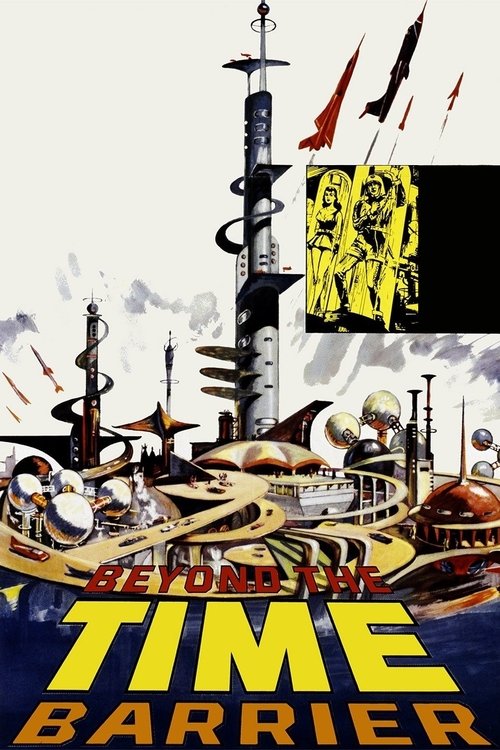
1960
No reviews yet. Be the first to share your thoughts on this movie!
Use the rating form above to leave a star rating and optional review.