
Conquest of Space
1955
No user ratings available yet
Diversity score: 1.7 out of 10
1958
ApprovedDirector
Jack Arnold
Runtime
69 minutes
Average Rating
No ratings yetSynopsis
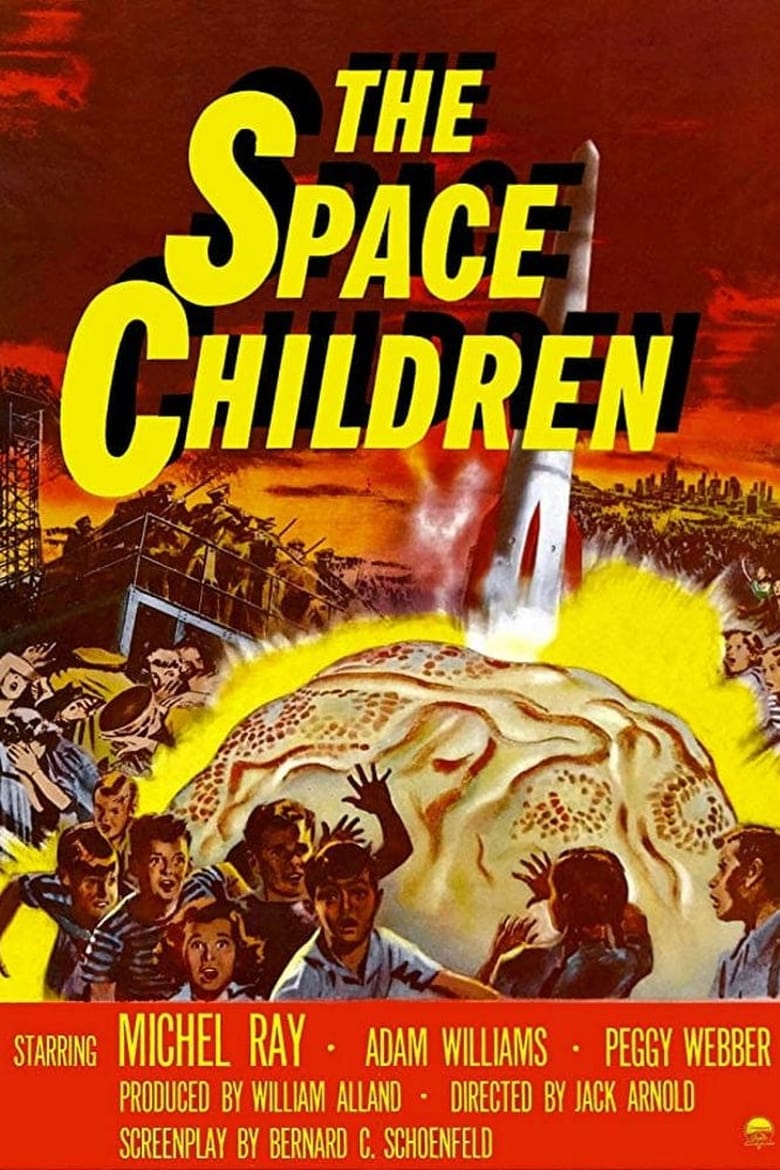
A glowing brain-like creature arrives on a beach near a rocket test site via a teleportation beam. The alien communicates telepathically with the children of scientists. The kids start doing the alien's bidding as the adults try to find out what's happening to their unruly offspring.
Overall Score
Minimal
Category Breakdown
LGBTQ+ Representation
The film contains no depictions of non-cisnormative identities or same-sex intimacy. The social landscape remains strictly heteronormative, adhering to the production standards of the 1950s.
Gender Representation
Narrative agency is concentrated among male scientific and military figures. Female characters are largely relegated to domestic or nurturing roles, reinforcing traditional mid-century gender hierarchies.
Racial & Ethnic Diversity
The cast is a homogeneous, predominantly white demographic. There is no evidence of meaningful racial blending or intersectional depth within the suburban setting.
Religious & Cultural Diversity
The story operates within a Western, middle-class framework that upholds traditional family and military institutions. It lacks significant secularism or critiques of Western social structures.
Disability Representation
There are no prominent depictions of physical or neurodivergent disabilities. No characters have experiences shaped by visible or invisible impairments.
Strengths
Areas for Improvement
AI Analysis
The Space Children is a quintessential product of its era, prioritizing the preservation of 1950s social hierarchies. The narrative focuses on the tension between scientific advancement and domestic stability, using an extraterrestrial threat to examine parental authority. While the film effectively uses sci-fi tropes to explore youth vulnerability, it does so within a very narrow demographic lens. The world is almost entirely white, heteronormative, and patriarchal, offering no subversion of the status quo. Ultimately, the film functions as a traditionalist narrative. It reinforces the importance of established institutions and conventional family structures rather than exploring diverse identities or systemic power dynamics.
1955

1958

1957

1961

1963

1966

1974

1968

1967

1966
1977

1966
No reviews yet. Be the first to share your thoughts on this movie!
Use the rating form above to leave a star rating and optional review.