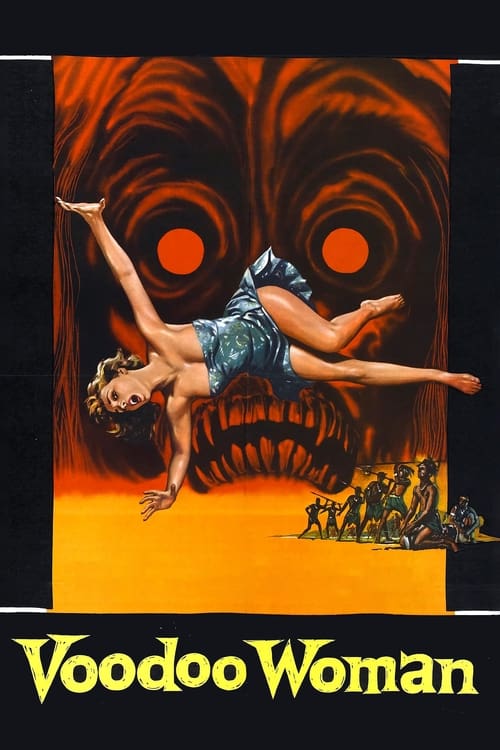
Voodoo Woman
1957
No user ratings available yet
Representation score: 1.6 out of 10
Representation Score
Minimal
1939
ApprovedDirector
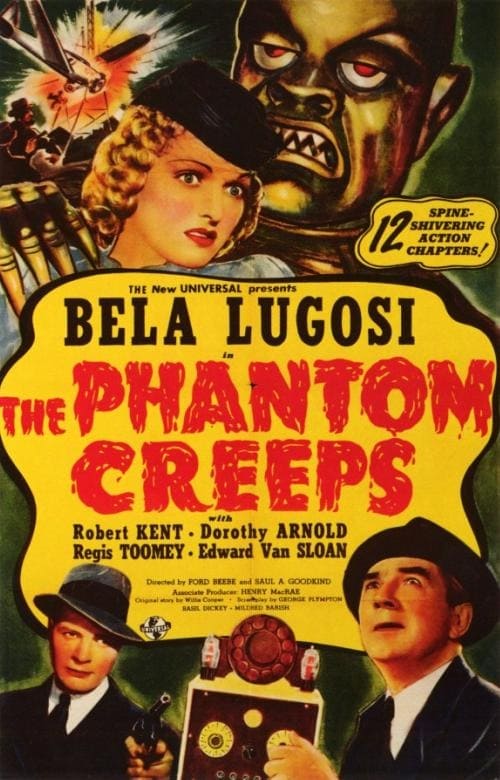
Ford Beebe, Saul A. Goodkind
Runtime
265 minutes
Average Rating
No ratings yetNew Showbiz Analysis
The Phantom Creeps is a product of the 1930s studio system, functioning within the rigid social and narrative constraints of its time. The film relies on established genre clichés, such as the mad scientist, which prioritize male-centric ability to act and Western-centric perspectives. Representation is minimal across all underrepresented categories. The film lacks LGBTQ+ presence, racial diversity, and nuanced depictions of disability, instead using these elements as mere plot devices or adhering to strict straight-centered norms. Ultimately, the work serves as a snapshot of early science fiction horror, offering little subversion of the social hierarchies prevalent during its production era.
Category Breakdown
The film does not include any characters with non-straight or non-cisgender identities, and there is no depiction of same-sex relationships. It follows the strict straight-centered structures typical of 1930s genre cinema.
The narrative likely reinforces traditional gender hierarchies by focusing on male intellectual dominance. Female characters do not appear to have significant control over their own lives or intellect.
The production reflects the era's lack of racial diversity. The cast appears to follow the homogeneous, Western-centric casting standards common to 1930s science fiction.
The story follows conventional Western clichés of individual struggle and clear-cut morality. It lacks any systemic critique or diverse cultural perspectives.
Mental instability is likely used as a plot device for the antagonist rather than a nuanced portrayal. There is no evidence of characters with disabilities taking a leading role.
Present on Screen
Limited or Absent
Official Synopsis
A mad scientist attempts to rule the world by creating various elaborate inventions.
1957

1932
1958
1961
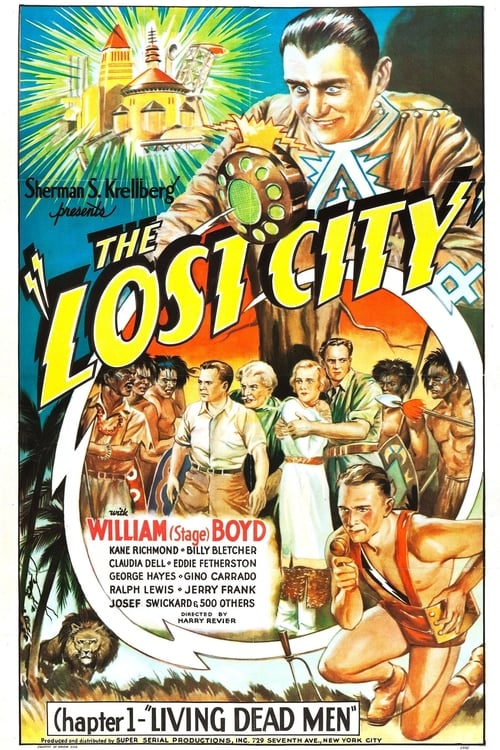
1935
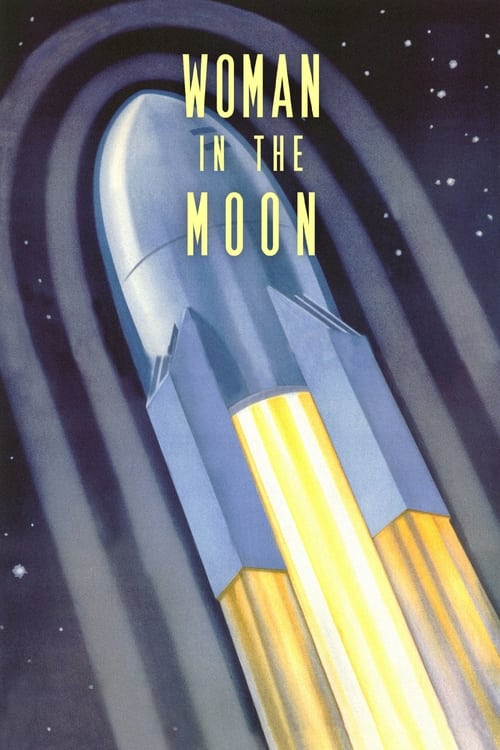
1929
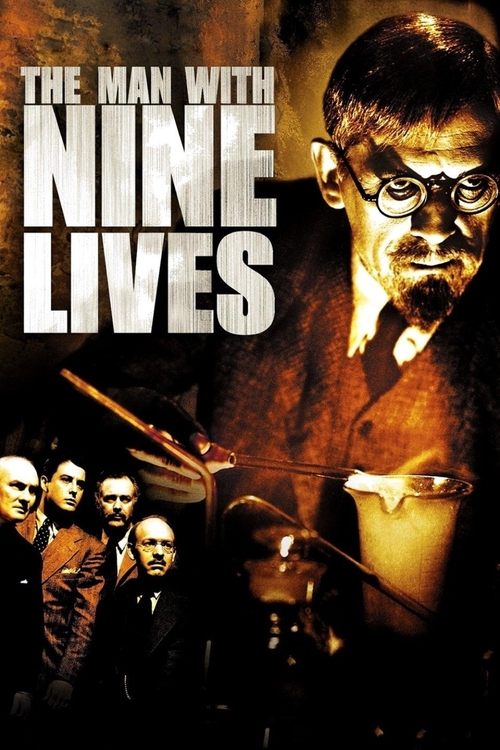
1940
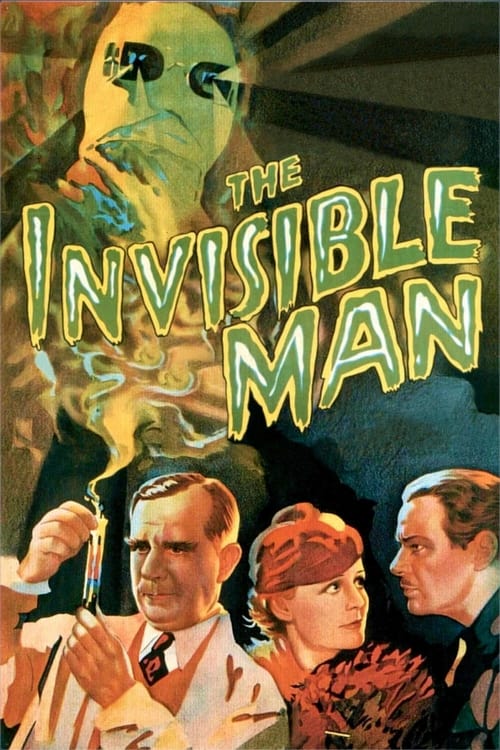
1933
No reviews yet. Be the first to share your thoughts on this movie!
Use the rating form above to leave a star rating and optional review.