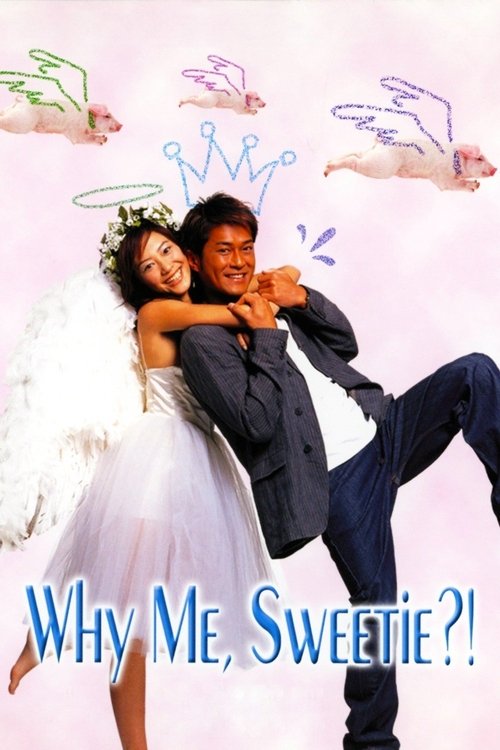
Why Me, Sweetie?!
2003
No user ratings available yet
Diversity score: 3.2 out of 10
2001
Director
Jingle Ma Choh-Sing
Runtime
107 minutes
Average Rating
No ratings yetSynopsis
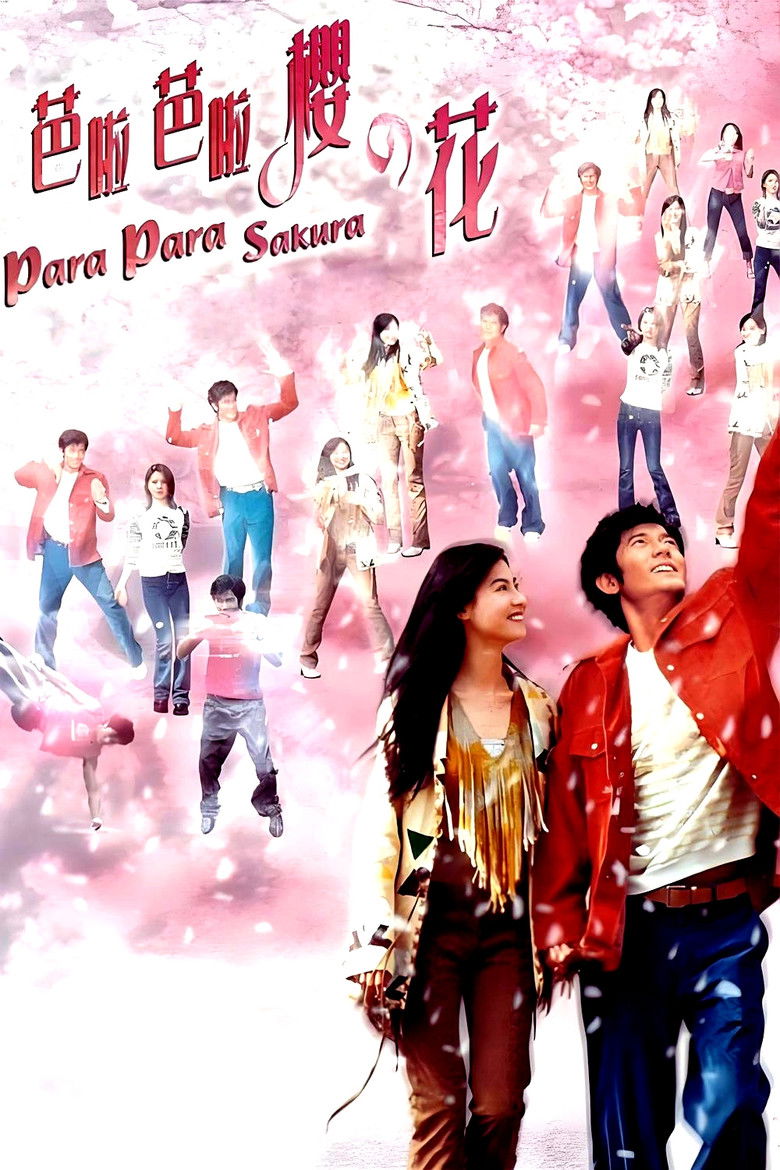
Phillip (Aaron Kwok) is a dance instructor who holds a class devoted to the latest dance craze, Para Para. While in Shanghai, he meets Yee (Cecilia Cheung), a spoiled rich girl who is running away from her impending arranged marriage. Soon, Yee begins using Phillip's dance studio as a sanctuary from her responsibilities, and an attraction begins to form between the two. However, Yee is called back to Japan to be married before long, and Phillip must use more than his dance skills and charisma to prevent her from taking her vows.
Overall Score
Fair
Category Breakdown
LGBTQ+ Representation
The film follows a heteronormative romantic arc between Phillip and Yee. There is no evidence of non-cisnormative identities or critiques of heteronormativity within the narrative.
Gender Representation
Yee challenges patriarchal structures by fleeing an arranged marriage to seek autonomy. While she exercises significant agency, the central conflict remains a traditional romantic pursuit.
Racial & Ethnic Diversity
The cast is predominantly East Asian, reflecting regional industry standards. The plot utilizes transnational movement between Hong Kong, Shanghai, and Japan to create a pan-Asian framework.
Religious & Cultural Diversity
The story explores the tension between individual desire and traditional familial obligations. Yee's rebellion serves as a critique of rigid social structures and arranged marriages.
Disability Representation
There is no visible or mentioned representation of physical or neurodivergent disabilities in the characters or plot.
Strengths
Areas for Improvement
AI Analysis
Para Para Sakura explores the tension between personal passion and social expectation. The film finds its strength in the character of Yee, who actively resists traditional patriarchal constraints like arranged marriage to seek her own sanctuary. However, the narrative remains anchored in conventional romantic tropes. It lacks intersectional complexity and does not engage in a deep subversion of systemic power dynamics, focusing instead on individualistic liberation through dance and romance. Ultimately, the film offers a moderate look at agency. It provides a meaningful depiction of a female protagonist reclaiming autonomy, even if it stays within the bounds of traditional genre storytelling.
2003
2007
1984

2025
2004
2001
1994
2014

2006
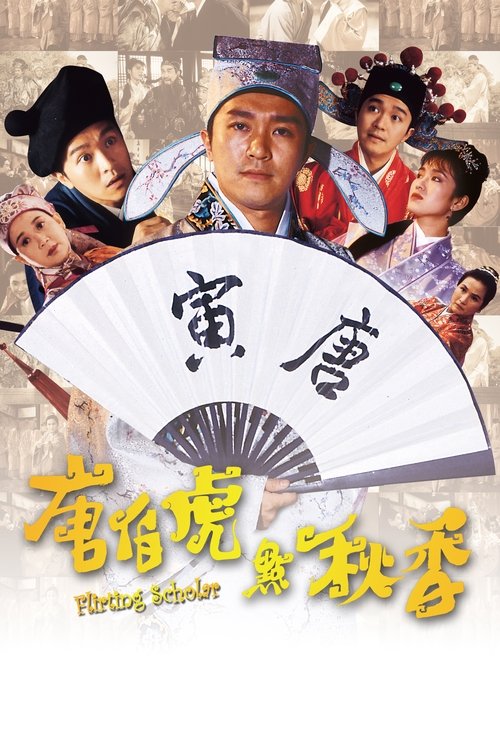
1993

2008
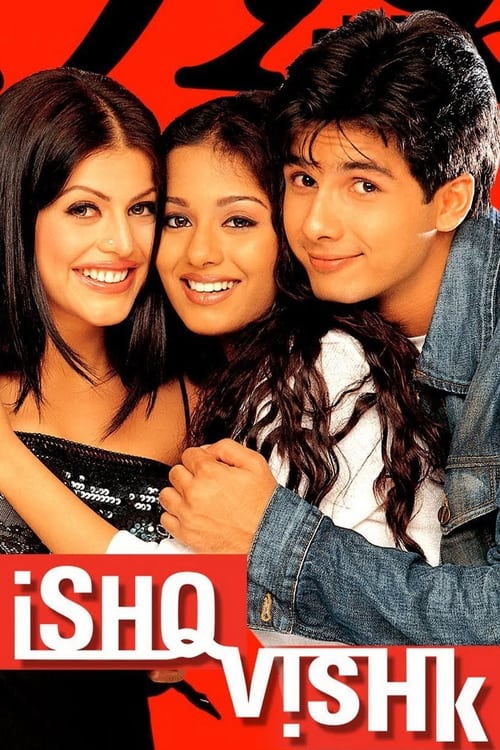
2003
No reviews yet. Be the first to share your thoughts on this movie!
Use the rating form above to leave a star rating and optional review.