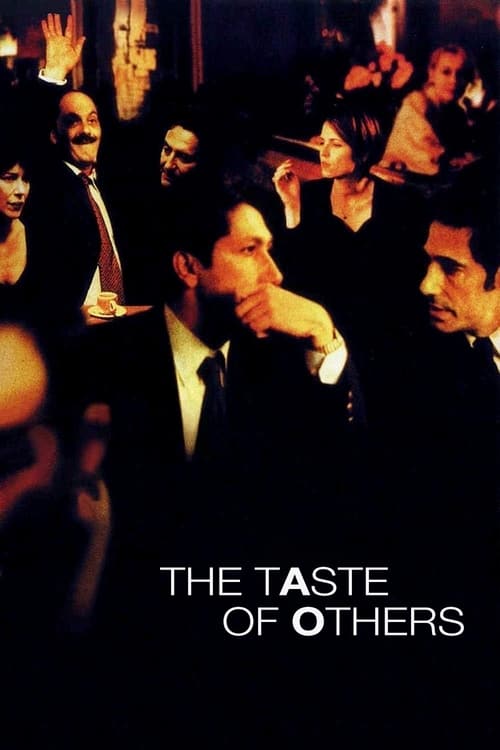
The Taste of Others
2000
No user ratings available yet
Representation score: 7.5 out of 10

Representation Score
Limited
2001
PGDirector
Joel Hopkins
Runtime
97 minutes
Average Rating
No ratings yetNew Showbiz Analysis
Jump Tomorrow is a traditional romantic comedy that centers on personal growth through travel and interpersonal connections. The film adheres to established norms, focusing on individual discovery rather than broader sociopolitical issues. The narrative does not aim to challenge traditional social structures. Instead, it leans on classic storytelling techniques and character-driven whimsy, avoiding deeper sociopolitical commentary. Ultimately, the film remains within the confines of standard Western middle-class clichés and gendered archetypes, emphasizing individual romantic fulfillment.
Category Breakdown
The story focuses on heterosexual romance between George and Alicia. Gerard influences George's growth, but the film doesn't clearly establish any queer identities.
Characters follow typical roles, with a reserved male and an energetic female. Female influence is tied to the male protagonist's emotional journey rather than independent actions.
The cast is predominantly Western and homogeneous. There is no indication of diverse racial representation or efforts to include a multicultural perspective.
The story emphasizes individualist romanticism and personal desires. It steers clear of critiquing Western institutions, capitalism, or organized religion.
There is no evidence of characters with visible or invisible disabilities. Such characters are not used as plot devices or for comedic purposes.
Present on Screen
Limited or Absent
Official Synopsis
When shy, straitlaced George meets vivacious, adorable Alicia, he's instantly smitten -- which puts his imminent arranged marriage in jeopardy. He vows to do the right thing, but then he falls in with Gerard, a lovesick, voluble Frenchman who overcomes George's sense of propriety and takes him on a meandering road trip to amour.
2000

1996
2007
2006

2002
1995

1999

2014
No reviews yet. Be the first to share your thoughts on this movie!
Use the rating form above to leave a star rating and optional review.