
Para Para Sakura
2001
No user ratings available yet
Diversity score: 4.9 out of 10
2003
Director
Jingle Ma Choh-Sing
Runtime
97 minutes
Average Rating
No ratings yetSynopsis
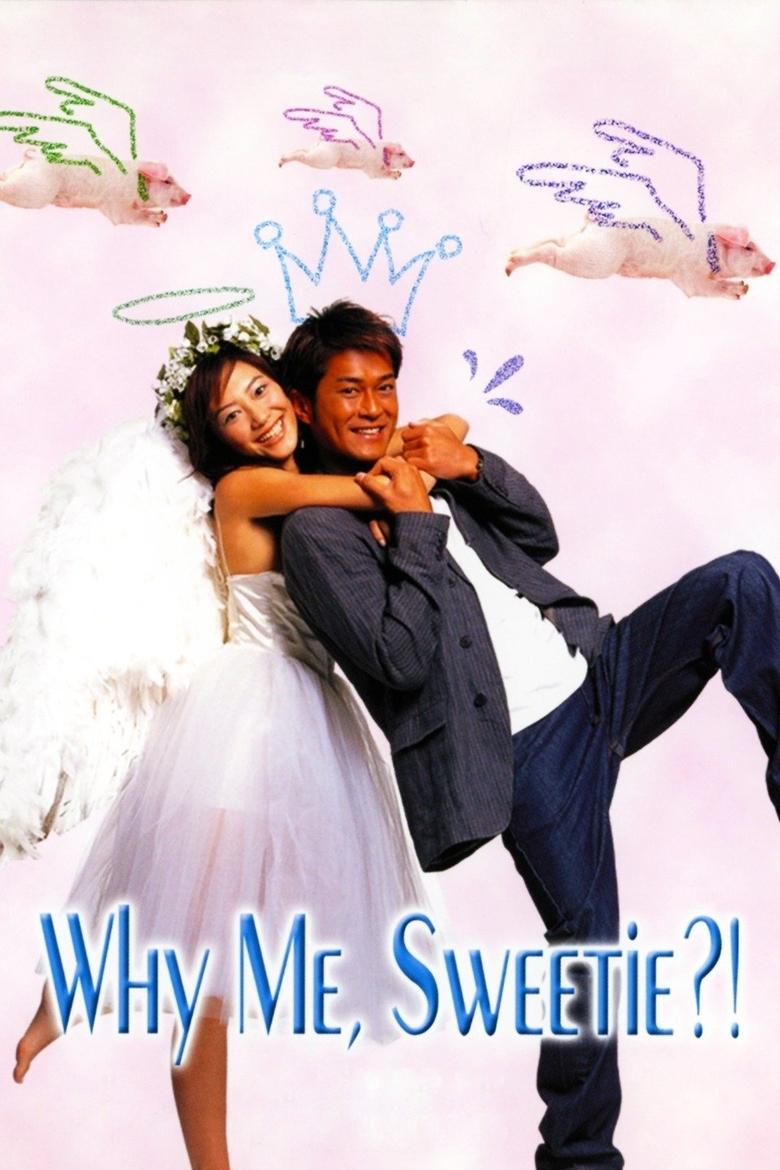
In this film, Louis Koo tries to woo a Beijing theater student (Cherry Ying), but he suffers from memory loss, and he keeps forgetting who she is.
Overall Score
Limited
Category Breakdown
LGBTQ+ Representation
The film adheres to traditional romantic comedy structures centered on a heterosexual courtship. There is no evidence of queer narratives or non-cisnormative identities present.
Gender Representation
While the female lead possesses agency as a theater student, the plot is driven by the male protagonist's pursuit. The film follows established gender tropes of its era.
Racial & Ethnic Diversity
The production features a predominantly Chinese cast, providing authentic representation of the Hong Kong urban experience. However, it lacks intentional ethnic blending or intersectional breadth.
Religious & Cultural Diversity
The narrative focuses on individual emotional experiences and comedic chaos. It avoids deconstructing social structures or promoting specific political or religious ideologies.
Disability Representation
Memory loss serves as a central plot device for comedic tension. The film uses this cognitive impairment as a tool for situational irony rather than a nuanced character study.
Strengths
Areas for Improvement
AI Analysis
Why Me, Sweetie?! is a conventional commercial romantic comedy that prioritizes genre-driven storytelling over social deconstruction. It operates within a heteronormative framework, focusing on a central heterosexual romance typical of early 2000s Hong Kong cinema. The film relies heavily on established tropes, using the protagonist's memory loss primarily as a vehicle for plot progression and situational irony. This approach prioritizes comedic timing and mass appeal over a deep exploration of neurodivergence or systemic issues. While the film offers authentic cultural representation of a localized Hong Kong setting, it lacks intersectional breadth. It remains a product of its time and region, adhering to the social norms of its era.
2001
2001

1993

2003

2002

2008

2002
1988

2007

2015

2020

2003
No reviews yet. Be the first to share your thoughts on this movie!
Use the rating form above to leave a star rating and optional review.