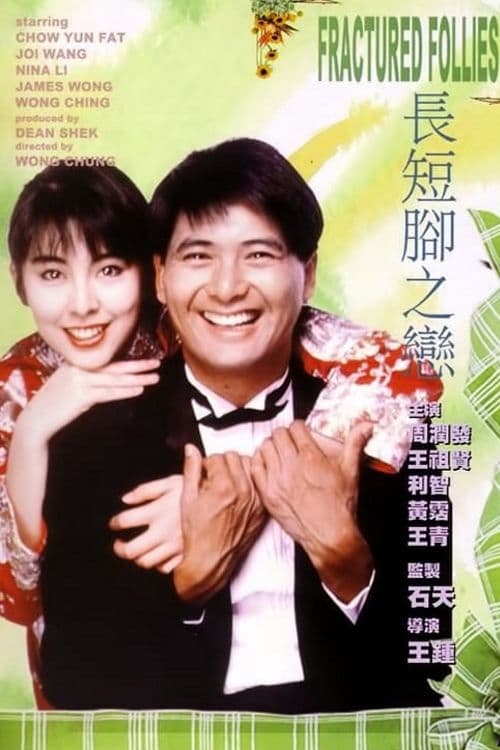
Fractured Follies
1988
No user ratings available yet
Representation score: 6.5 out of 10
Representation Score
Limited
1984
PG-13Director
Taylor Wong Tai-Loi
Runtime
92 minutes
Average Rating
No ratings yetNew Showbiz Analysis
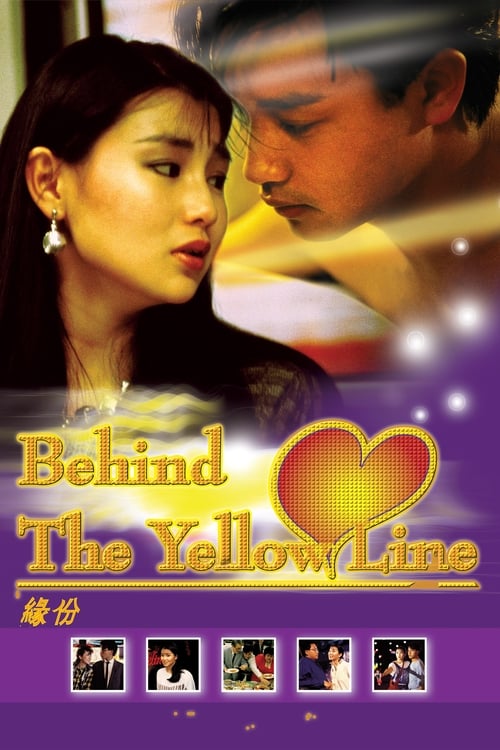
Behind the Yellow Line is a traditional 1980s romantic drama that adheres to the genre's standard clichés. The narrative is driven by a central power imbalance between a male boss and a female employee, focusing on the tension of their relationship. While the film offers a non-Western setting through its Hong Kong origins, it does not push for systemic critique or multi-layered representation. The story stays within the bounds of established social structures and conventional romantic frameworks. Ultimately, the film serves as a period-typical melodrama rather than a progressive exploration of identity or social hierarchy.
Category Breakdown
The story focuses on a heterosexual relationship between a boss and his employee. There are no queer narratives or representations of non-straight identities.
The plot centers on a power dynamic between a male superior and a female subordinate. Monica's unease suggests workplace discomfort, but the overall framework remains conventional.
As a 1984 Hong Kong production, the film offers a non-Western perspective. However, it does not provide specific evidence of intentional or multi-layered racial representation.
The film follows traditional romantic melodrama clichés, emphasizing established social and corporate hierarchies without challenging family norms or secularism.
The narrative does not include any characters with visible or invisible disabilities.
Present on Screen
Limited or Absent
Official Synopsis
Married boss Paul falls for his employee named Monica after running into her in a subway station and it makes all things uneasy for her.
1988

1996

1990
2001
2000

2001
1994

1994
No reviews yet. Be the first to share your thoughts on this movie!
Use the rating form above to leave a star rating and optional review.