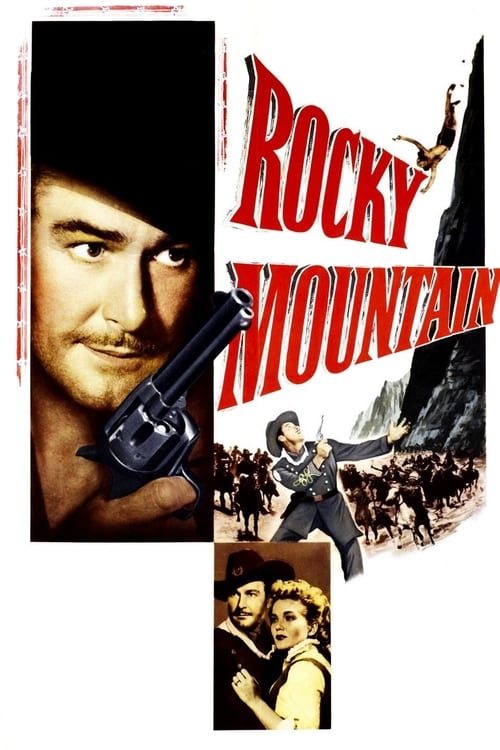
Rocky Mountain
1950
No user ratings available yet
Representation score: 0.9 out of 10
Representation Score
Minimal
1949
NRDirector
Richard Thorpe
Runtime
85 minutes
Average Rating
No ratings yetNew Showbiz Analysis
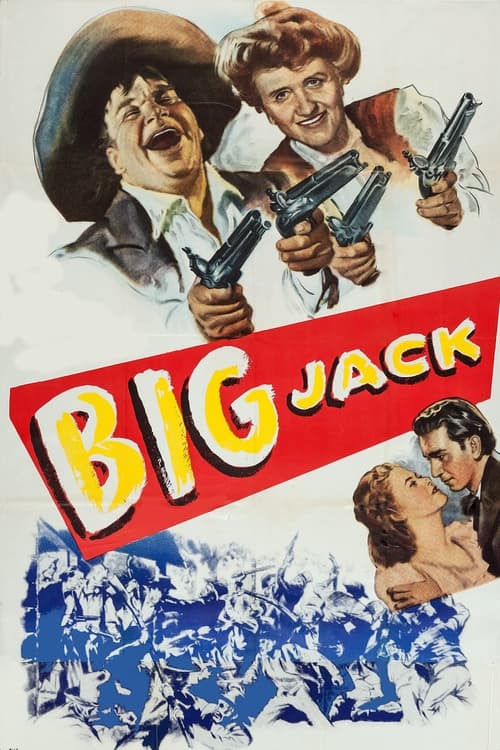
Big Jack is a product of its historical era, functioning as a standard mid-century adventure. The film prioritizes genre archetypes and narrative momentum over any attempt at complexity or social subversion. The production reflects the systemic social constraints of 1949 Hollywood. By centering a male protagonist in a colonial setting, the film reinforces traditional hierarchies rather than deconstructing them. Ultimately, the work offers minimal disruption to the standard social or gendered clichés of the period, serving as a conventional example of the Western/Adventure genre.
Category Breakdown
The film adheres to the strict conventions that assume everyone is straight or cisgender. There is no evidence of diverse LGBTQ+ identities or narratives that challenge traditional gender roles.
The narrative centers around the lead role of Wallace Beery, which likely emphasizes masculine control over the story. Female characters may occupy traditional supporting roles typical of the Western genre.
Set in Colonial America, the film likely reflects the period's social hierarchies. It appears to follow the era's homogeneous casting norms and traditionalist values.
The story aligns with mid-century moral frameworks and traditional Western narratives. It focuses on themes of law and individualistic struggle within a colonial setting.
There is no information available regarding the portrayal of physical or neurodivergent characters in this production.
Present on Screen
Limited or Absent
Official Synopsis
Wallace Beery, in his final film, plays a bandit in this period drama set in Colonial America.
1950
1939
1958
1955
1927
1962
1956
1961
No reviews yet. Be the first to share your thoughts on this movie!
Use the rating form above to leave a star rating and optional review.