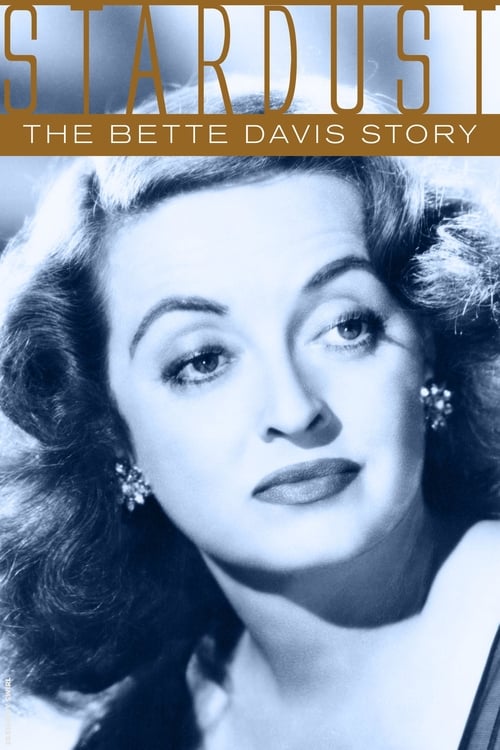
Stardust: The Bette Davis Story
2006
No user ratings available yet
Representation score: 5.2 out of 10
Representation Score
Good
2000
Director
Bridget Terry
Runtime
56 minutes
Average Rating
No ratings yetNew Showbiz Analysis
This documentary serves as a powerful reclamation of women's ability to drive the story, successfully disrupting patriarchal historical narratives by centering a woman as a primary architect of the studio system. It highlights a rare era where women wielded significant creative and financial authority. However, the score is tempered by the historical context of the era. The film's focus on the professional class results in limited visibility for LGBTQ+ identities and racial diversity, reflecting the systemic homogeneity of early Hollywood. Ultimately, the film succeeds as a pedagogical tool. It provides a sophisticated framework for understanding how individual creative power can challenge institutional constraints, even within a historically exclusionary industry.
Category Breakdown
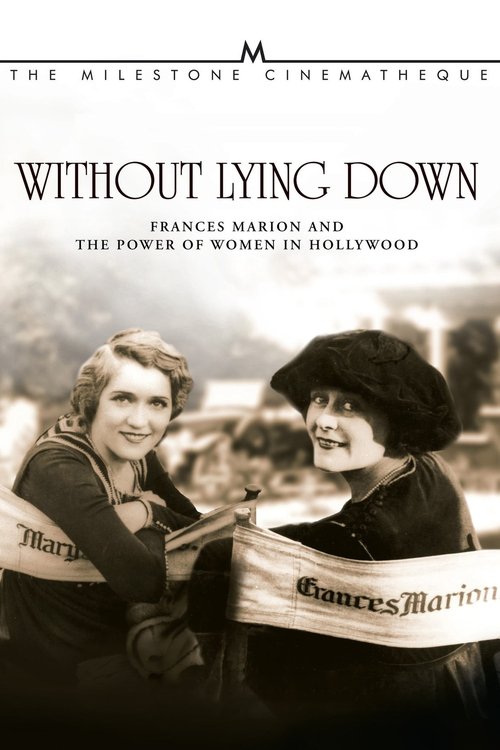
The documentary does not include explicit LGBTQ+ characters or stories. Although there were queer subcultures during the 1915–1939 period, the film concentrates solely on Frances Marion's professional journey.
The film emphasizes Marion's role as a dominant creative force and the world's highest-paid screenwriter. It effectively challenges traditional hierarchies by highlighting female intellectual authority in early Hollywood.
The narrative focuses on the professional class during the Golden Age, an era characterized by systemic racial homogeneity. There is limited attention given to non-Anglo-Saxon narratives or diverse casts.
The film uses a progressive perspective to dismantle the 'great man' theory of Hollywood history. It portrays creative ability to act as a negotiation against the strict constraints of the studio system.
There is no significant depiction of physical or neurodivergent disabilities in the film. The primary focus remains on professional and gender-based historical analysis.
Present on Screen
Limited or Absent
Official Synopsis
From 1915-1939, Frances Marion was one of the most powerful talents in the movie industry. In one of the most liberating eras for women in film, she wrote more than 200 movies and was the world's highest paid screenwriter - man or woman. Kathy Bates gives voice to Marion's words from her letters, diaries, and memoirs. Includes commentary by silent film historian Kevin Brownlow, critic Leonard Maltin, and Marion's celebrated biographer Cari Beauchamp. Current women filmmakers reflect on the legacy left to them by Marion and the pioneering women of early Hollywood.
2006
1995

2003

2020
2021
2016

1998

2024
No reviews yet. Be the first to share your thoughts on this movie!
Use the rating form above to leave a star rating and optional review.