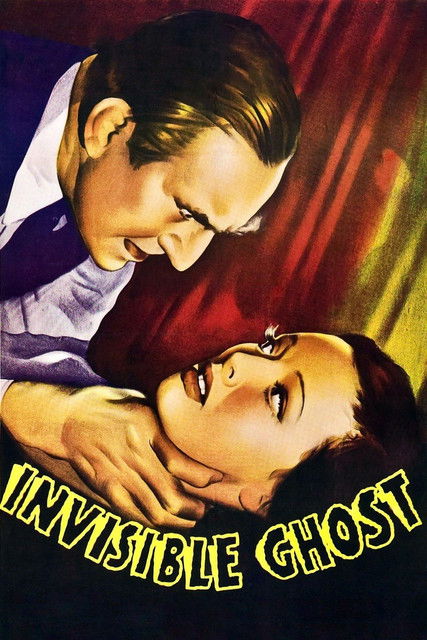
Invisible Ghost
1941
No user ratings available yet
Representation score: 2.7 out of 10
Representation Score
Limited
1946
NRDirector
Jean Yarbrough
Runtime
65 minutes
Average Rating
No ratings yetNew Showbiz Analysis
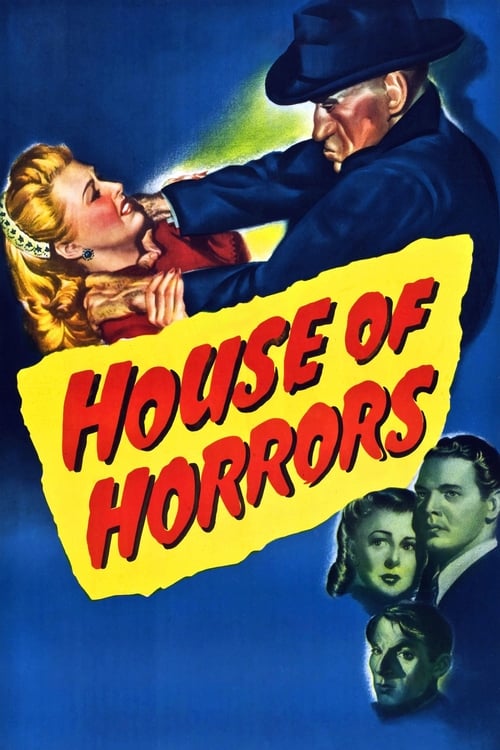
House of Horrors is a quintessential mid-century B-movie that prioritizes genre clichés over social exploration. The narrative centers on a male-driven power struggle, leaving little room for diverse perspectives or identity-based depth. The film relies on established archetypes of the 1940s, such as the 'madman' cliché, which simplifies complex psychological states into tools for suspense. This approach reinforces historical biases rather than challenging them. Ultimately, the work functions as a standard crime-thriller. It lacks the intentionality required to disrupt traditional social hierarchies or provide authentic representation for underrepresented groups.
Category Breakdown
The film does not include any LGBTQ+ characters or explore non-straight relationships. It follows traditional structures common in 1946 studio films.
The film focuses on male characters, particularly the sculptor and the antagonist, giving them significant roles in driving the story. It operates within a standard male-driven thriller framework without challenging gender hierarchies.
The production reflects the era's tendency towards white-centric casting. There is no evidence of a diverse cast or meaningful inclusion of different racial backgrounds.
The story focuses on individual psychological conflicts without engaging with broader socio-political power dynamics or critiquing Western institutions.
Mental health issues are used as a plot device through the character of 'The Creeper.' This portrayal risks using madness as a tool for creating terror rather than presenting a nuanced view of neurodivergence.
Present on Screen
Limited or Absent
Official Synopsis
An unsuccessful sculptor saves a madman named "The Creeper" from drowning. Seeing an opportunity for revenge, he tricks the psycho into murdering his critics.
1941
1943
1966
1935
1946
1946

1960

1933
No reviews yet. Be the first to share your thoughts on this movie!
Use the rating form above to leave a star rating and optional review.