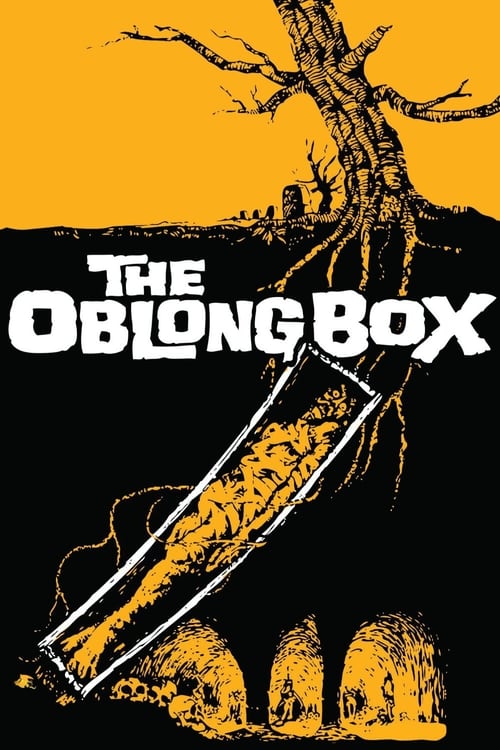
The Oblong Box
1969
No user ratings available yet
Representation score: 2.5 out of 10
Representation Score
Limited
1969
RDirector
Joy N. Houck Jr.
Runtime
89 minutes
Average Rating
No ratings yetNew Showbiz Analysis
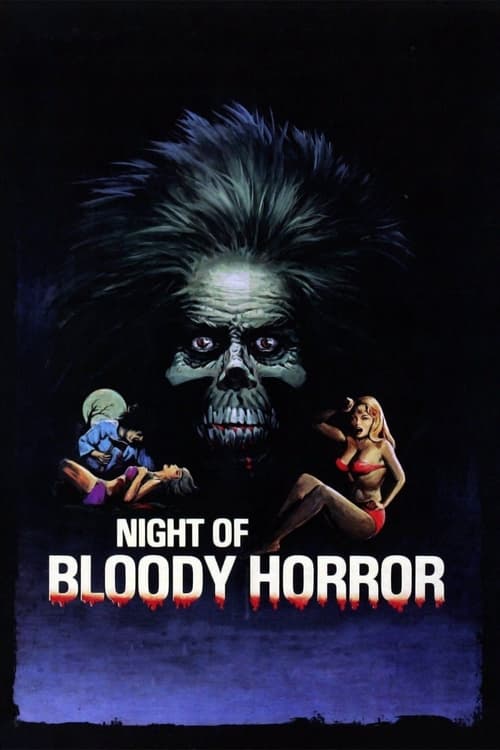
The Night of Bloody Horror is a product of its 1969 era, emphasizing genre clichés over social commentary. The story focuses on a male-dominated psychological journey, lacking multi-layered depth. Representation is confined by the period's standards. The film highlights a homogeneous cast and traditional gender roles, offering little influence to women or underrepresented groups. While it delves into psychological trauma, it uses mental health primarily as a horror element rather than a nuanced exploration of disability. It remains a conventional genre piece without deeper socio-political analysis.
Category Breakdown
The film does not include visible representation for those with non-binary gender identities or sexual orientations. It follows older filmmaking traditions that rarely featured stories challenging the idea that everyone is straight or cisgender.
The story revolves around a male protagonist and his brother. Female characters tend to play supporting or reactive roles rather than driving the plot forward.
The movie likely upholds the era's standard of depicting white, middle-class families. There is no indication of diverse casting or characters representing different racial backgrounds.
The film operates within well-established horror conventions. It does not explicitly critique Western institutions, capitalism, or religious structures.
Psychological distress and trauma are central to the plot. However, mental health issues are used mainly as a horror device rather than exploring the complexities of neurodiversity.
Present on Screen
Limited or Absent
Official Synopsis
Wesley goes on a killing spree while experiencing the nightmares of his brother who was killed thirteen years earlier.
1969
1960
1981

1966
1977
1972
1977
1965
No reviews yet. Be the first to share your thoughts on this movie!
Use the rating form above to leave a star rating and optional review.