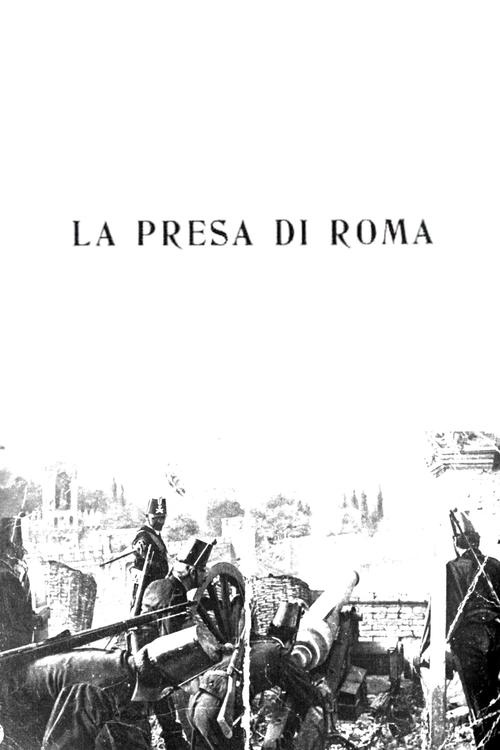
The Capture of Roma
1905
No user ratings available yet
Representation score: 2.1 out of 10
Representation Score
Limited
1910
Director
Mario Caserini
Runtime
11 minutes
Average Rating
No ratings yetNew Showbiz Analysis
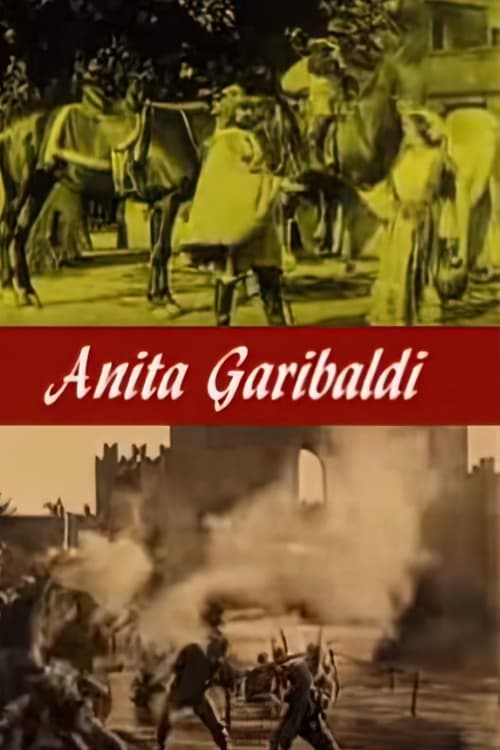
Anita Garibaldi (1910) centers a female protagonist with significant historical ability to act, providing a foundation for gender representation. The film challenges traditional submissive femininity by placing its protagonist in military and political roles. However, the work remains confined to nationalist and traditionalist themes typical of early 20th-century filmmaking, focusing on a localized European context without multi-layered depth. Ultimately, while the film offers a rare historical female lead, it operates within a narrow cultural and straight-centered framework typical of its era.
Category Breakdown
The film does not include non-cisgender identities or same-sex relationships. It follows traditional heterosexual relationships typical of early 20th-century biographical films.
Anita Garibaldi is shown as a strong female leader in military and political roles. The film highlights a woman taking charge in traditionally male-dominated fields.
The movie focuses on European ethnicities during the Italian unification movement. It does not explore diverse ethnic backgrounds or multi-layered identities.
The film addresses themes of revolution and national liberation but frames these within the context of 19th-century nationalism rather than modern critiques of Western institutions.
There is no mention of physical or neurodivergent disabilities in the film.
Present on Screen
Limited or Absent
Official Synopsis
While in America, Giusseppe Garibaldi met and married Anita Ribeira. When war loomed in Italy in 1848, Anita followed him to defend the Roman Republic. After defeat, they fled; pursued, they hid in the Comacchio marshes. Exhausted by hardship, Anita died on August 1849 in a hut at the Guiccioli farm.
1905
1914
1925

1957
1916
2014
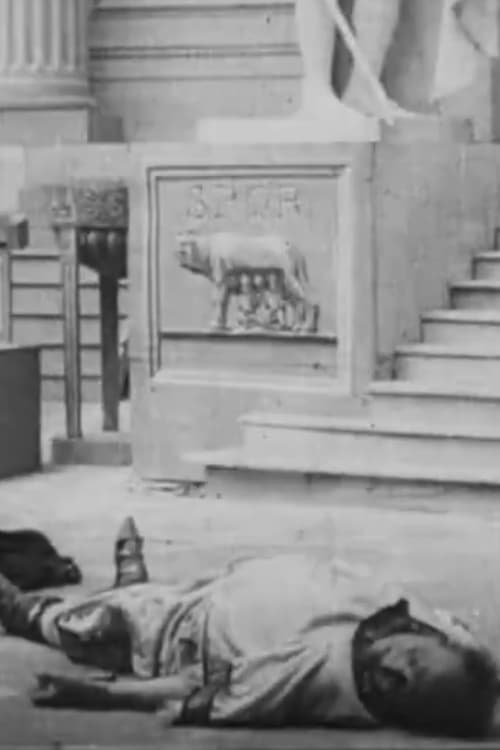
1909

2013
No reviews yet. Be the first to share your thoughts on this movie!
Use the rating form above to leave a star rating and optional review.