The Longest Day
1962
No user ratings available yet
Representation score: 1.8 out of 10
Representation Score
Minimal
1969
RDirector
John Guillermin
Runtime
117 minutes
Average Rating
No ratings yetNew Showbiz Analysis
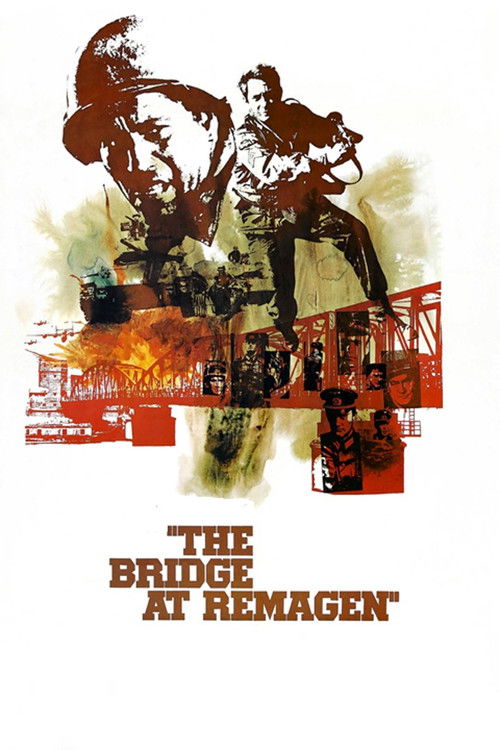
The Bridge at Remagen is a conventional historical war drama that emphasizes tactical realism and the ethical dilemmas of command over the exploration of identity. The narrative is built around traditional hierarchies of gender, race, and military authority. While the film delves into moral relativism through the tension between strategic necessity and civilian preservation, it operates within the established social frameworks of its 1969 production. It respects the period's order rather than disrupting it. Ultimately, the film lacks representation for underrepresented groups, focusing instead on a homogeneous depiction of the primary protagonists within a standard military structure.
Category Breakdown
The film adheres to a structure centered on male military camaraderie and does not include any representation of non-traditional gender identities or critiques of traditional social norms.
Male characters hold the majority of influence and decision-making power within the military. Female characters are limited to secondary roles, primarily as German refugees symbolizing the impact of war on civilians.
The cast is predominantly white and Anglo-Saxon, reflecting the historical demographics of the 1945 US Army. There is no attempt to diversify the cast to challenge social norms.
The narrative focuses on traditional Western themes of military discipline and command ethics. It does not engage with anti-Western or anti-capitalist critiques.
The film does not address neurodivergence, physical disabilities, or mental health conditions. These elements are not part of the character development or plot ability to act.
Present on Screen
Limited or Absent
Official Synopsis
In March of 1945, as the War in Europe is coming to a close, fighting erupts between German and American troops at the last remaining bridgehead across the Rhine.
1962

1958

2017

1949
1968
1955
1990

1964
No reviews yet. Be the first to share your thoughts on this movie!
Use the rating form above to leave a star rating and optional review.