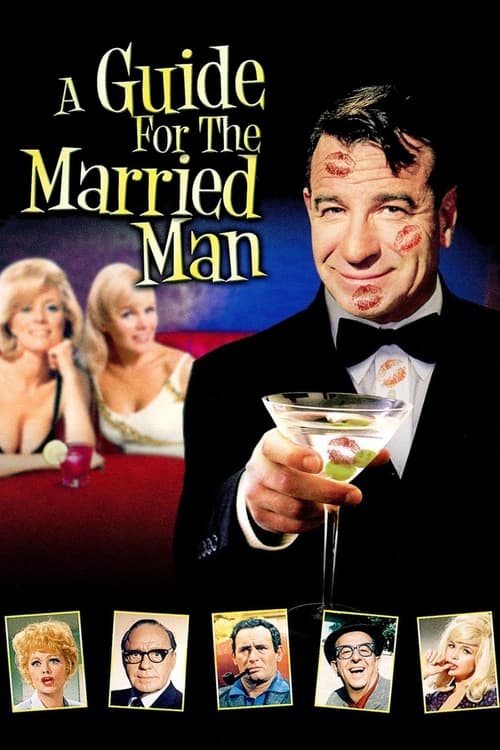
A Guide for the Married Man
1967
No user ratings available yet
Representation score: 1.2 out of 10
Representation Score
Minimal
1965
ApprovedDirector
Richard Lester
Runtime
85 minutes
Average Rating
No ratings yetNew Showbiz Analysis
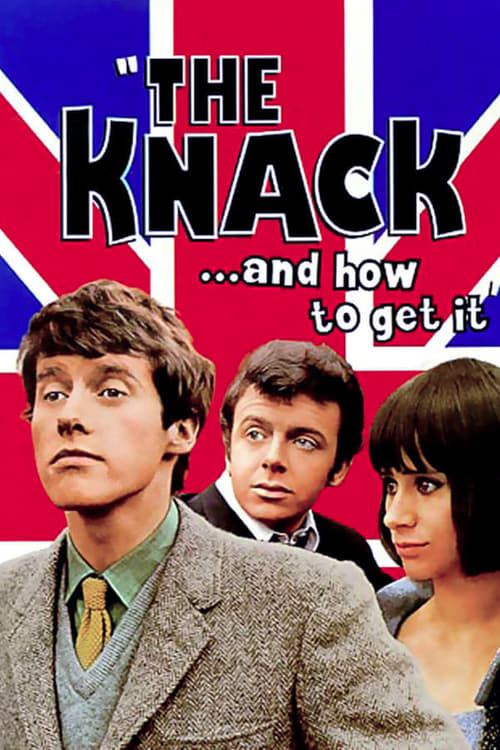
Richard Lester’s work is a landmark of cinematic postmodernism, utilizing kinetic editing to disrupt traditional narrative structures. While the film’s energy marked a departure from formalist traditions, its social content remains deeply conventional. The narrative is built around a homogeneous cultural perspective and reinforces traditional gender hierarchies. The focus remains on male-driven conquest and the social mores of the mid-1960s. Ultimately, the film’s stylistic innovation does not translate into social inclusivity, as it operates within the restrictive demographic and social frameworks of its era.
Category Breakdown
The film adheres to a strictly heterosexual narrative, focusing solely on romantic relationships within a traditional gender binary. It offers no representation of queer identities or non-binary gender roles.
The story emphasizes a patriarchal structure where men dominate the narrative and conflict. Female characters are predominantly portrayed as goals for male conquest rather than as fully developed individuals.
Set in London during the Swinging Sixties, the film features a predominantly white, middle-class demographic. It lacks significant representation of diverse racial backgrounds.
The film captures a shift towards hedonistic youth culture and consumerism. However, it avoids critiquing the systemic issues related to Western institutions such as religion or capitalism.
A 'friendly lunatic' character appears, which risks using neurodivergence as a comedic cliché. There is no evidence of nuanced or empowered depictions of disability.
Present on Screen
Limited or Absent
Official Synopsis
A nebbish schoolteacher begs his smooth (and misogynistic) pal to teach him 'the knack' – how to score with women. Serendipitously, the men meet up with a new girl in town, as well as a friendly lunatic who can’t help but paint things white.
1967
1958
1964
1966
1959
1977
1962
1976
No reviews yet. Be the first to share your thoughts on this movie!
Use the rating form above to leave a star rating and optional review.