The Shrink Is In
2001
No user ratings available yet
Representation score: 3.3 out of 10
Representation Score
Limited
1997
PG-13Director
Jonathan Lynn
Runtime
98 minutes
Average Rating
No ratings yetNew Showbiz Analysis
Trial and Error is a conventional genre piece that relies on established social and demographic archetypes from its production period. The narrative is built upon traditional motifs like the 'fish out of water' and the 'incompetent professional.' Because the film focuses on situational humor and individual incompetence, it avoids disrupting established social hierarchies. It functions as a standard comedy rather than a work designed to engage with multiple aspects of identity or challenge the status quo. Ultimately, the film lacks the intentionality required to provide meaningful representation or to deconstruct Western institutional norms, remaining firmly within the comedic clichés of the late 1990s.
Category Breakdown
The film follows a conventional comedic framework centered around a bachelor party and an upcoming marriage. It adheres to standard structures that assume everyone is straight or cisgender, typical of late-90s studio comedies.
The plot revolves around male-centric legal mishaps and bachelor party antics. Female characters appear mainly in supporting roles, such as the boss's daughter, without driving the central conflict.
The cast appears largely homogeneous, reflecting the demographic norms of the era and setting. There is no evidence of characters of color playing significant roles in the story.
This legal farce treats social and legal institutions as mere backdrops for comedic errors. It lacks institutional deconstruction, favoring traditional comedic resolutions over systemic critique.
There is no evidence of characters with visible or invisible disabilities being integrated into the narrative. Disability is not used as a central theme or tool for representation.
Present on Screen
Limited or Absent
Official Synopsis
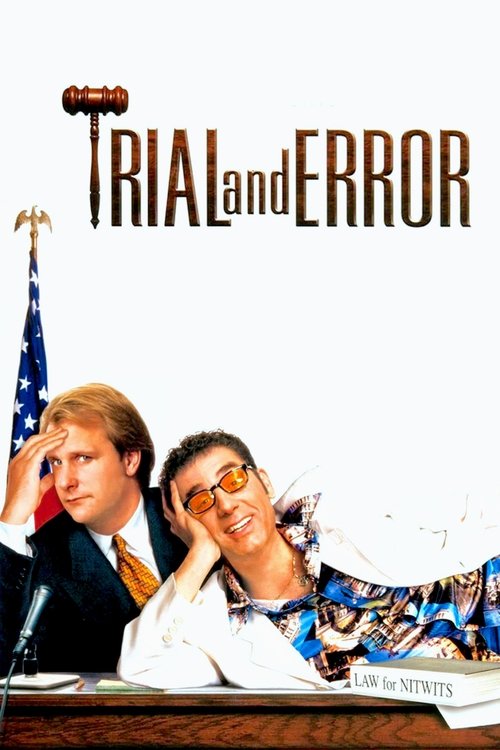
When lawyer Charlie is sent to a small Nevada town to file a continuance request for a client, his actor friend Richard turns up to throw a surprise bachelor party celebrating his upcoming marriage to the boss's daughter. When Charlie is too hung-over to make it to court for the hearing, Richard fills in, inadvertently committing felony fraud, and Charlie is left with no choice but to coach the clueless Richard through the whole trial.
2001
2006
2000
1994
2002
1996
2004
1997
No reviews yet. Be the first to share your thoughts on this movie!
Use the rating form above to leave a star rating and optional review.