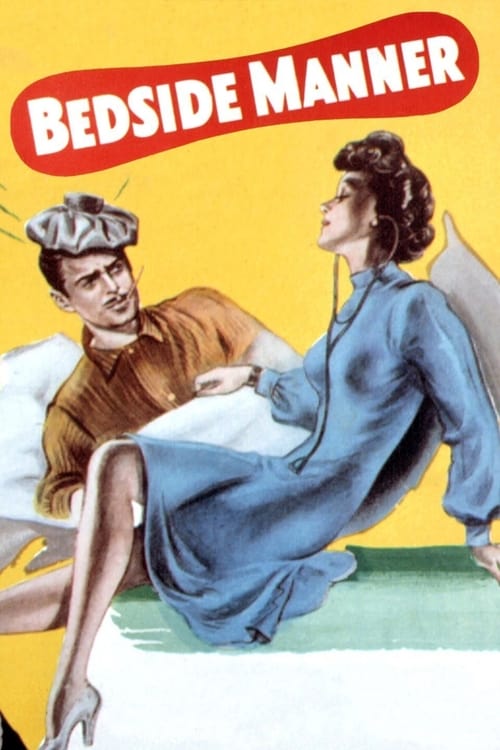
Her Favorite Patient
1945
No user ratings available yet
Diversity score: 2.3 out of 10
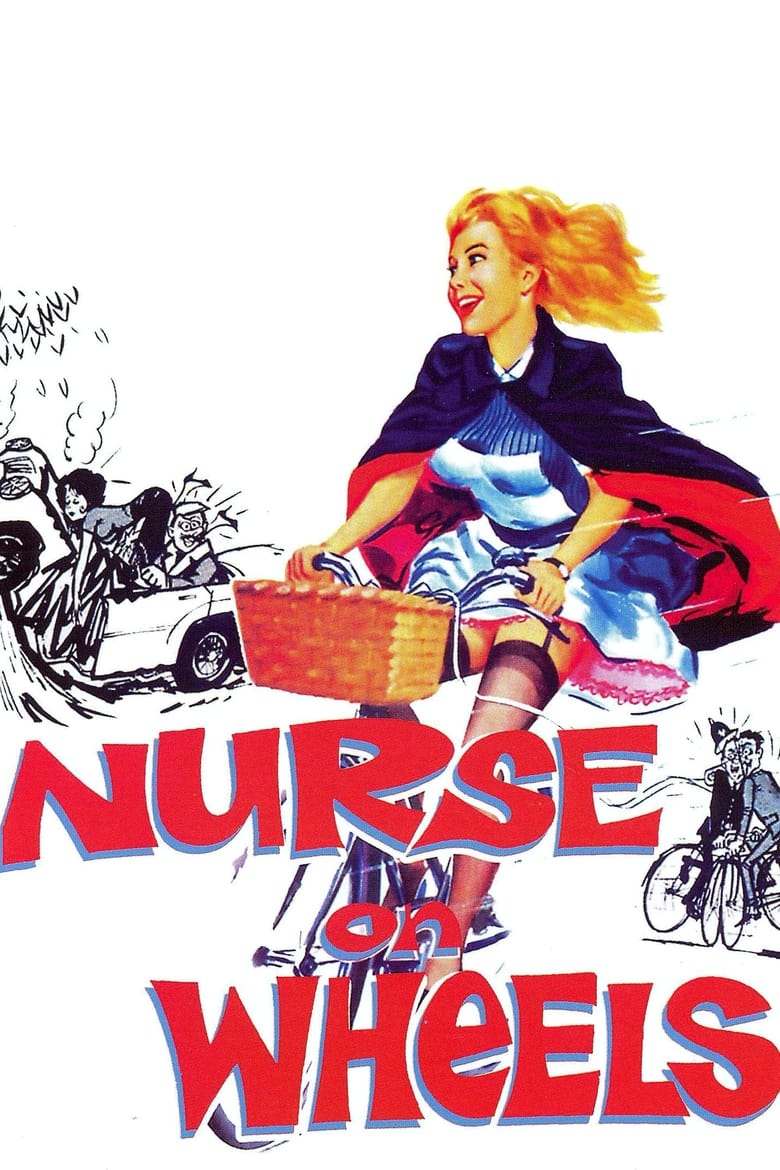
1963
Director
Gerald Thomas
Runtime
85 minutes
Average Rating
No ratings yetSynopsis
Quietly competent young Joanna moves with her scatterbrain mother to a country village to take up her first job as District Nurse. She soon overcomes the suspicion of her patients used to someone rather older, while becoming romantically involved with a local farmer - at least until he tries to evict a newly-arrived expectant couple who park their caravan on his land.
Overall Score
Limited
Category Breakdown
LGBTQ+ Representation
The film adheres to the heteronormative standards of 1960s British farce. There is no evidence of same-sex narratives or non-cisnormative gender identities within the story.
Gender Representation
Joanna provides moderate agency as a competent professional navigating community skepticism. However, the inclusion of a scatterbrain mother suggests female characters may also serve traditional comedic archetypes.
Racial & Ethnic Diversity
The rural British village setting suggests a highly homogeneous cast. The focus on local agricultural life typically lacks intersectional racial diversity or non-Anglo-Saxon representation.
Religious & Cultural Diversity
The plot follows a standard trajectory of community integration and romantic resolution. It operates within a traditional Western framework without exploring systemic power or institutional critiques.
Disability Representation
Characters with health conditions appear as functional requirements of the medical setting. They seem to act as passive recipients of care rather than possessing individual agency.
Strengths
Areas for Improvement
AI Analysis
Nurse on Wheels is a period-specific comedy that reflects the social and demographic constraints of 1960s Britain. The narrative relies on traditional tropes and conventional social hierarchies, offering very little disruption to the status quo. While the protagonist displays professional competence, the film's reliance on farce and traditional archetypes limits the depth of its characterizations. The setting and plot focus on localized village dynamics rather than broader social or intersectional themes. Ultimately, the film functions as a standard romantic comedy of its era, prioritizing situational humor over the inclusion of diverse identities or systemic social critique.
1945
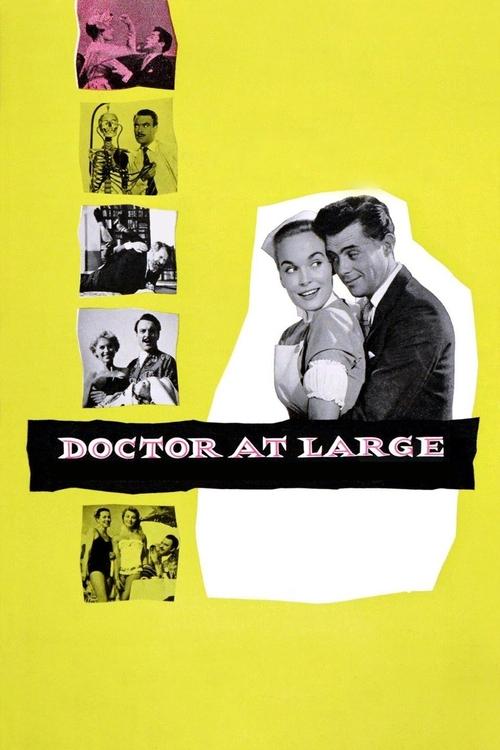
1957
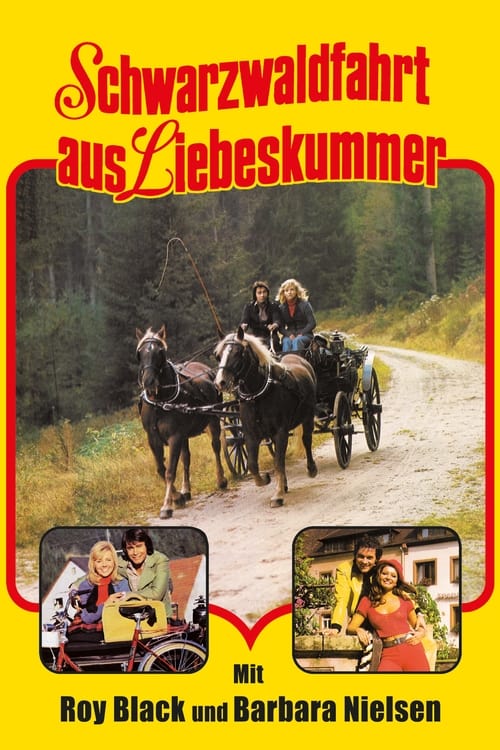
1974

1964
1951
1963
1965
1950
1948
1978
1918
1992
No reviews yet. Be the first to share your thoughts on this movie!
Use the rating form above to leave a star rating and optional review.