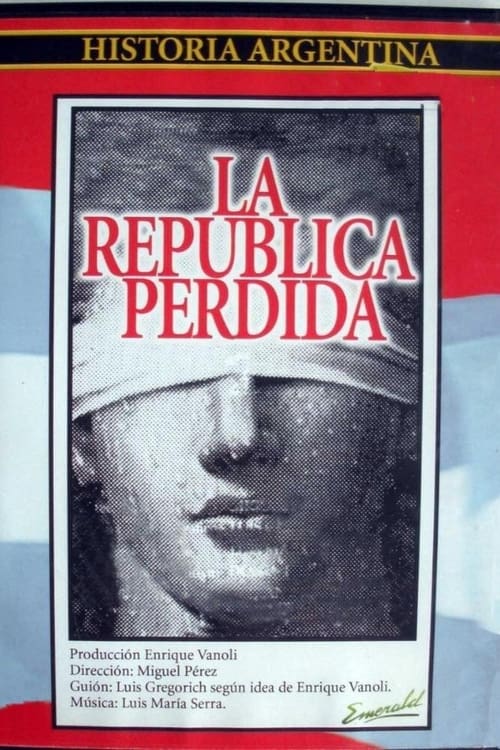
The Lost Republic
1983
No user ratings available yet
Representation score: 5.4 out of 10
Representation Score
Fair
1986
Director
Miguel Pérez
Runtime
140 minutes
Average Rating
No ratings yetNew Showbiz Analysis
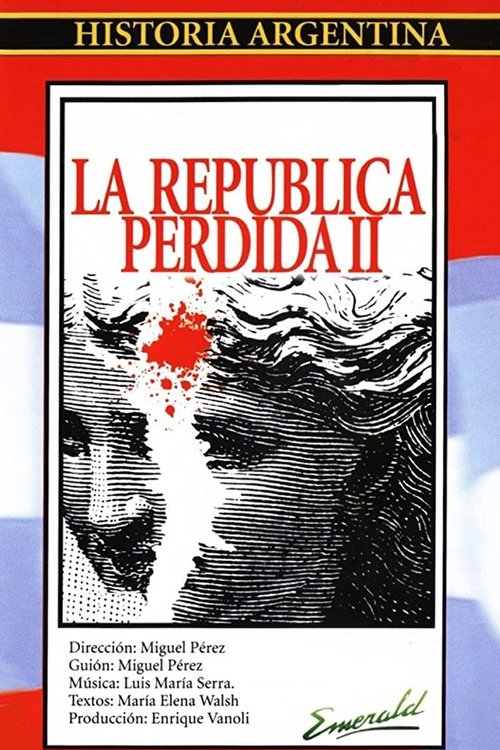
The Lost Republic II serves as a vital historical reckoning, focusing on the Argentine military dictatorship from 1976 to 1983. Its primary strength lies in its structural intent to deconstruct state authority and challenge institutional myths. While the film succeeds in critiquing systemic oppression, it lacks specific visibility regarding individual identities. The documentary focuses on broad political and military structures rather than the nuanced representation of gender, race, or LGBTQ+ identities. Ultimately, the work is a study of power and the voices silenced by the state, prioritizing historical preservation over character-driven diversity clichés.
Category Breakdown
The film examines a period of intense state repression where queer identities were often sidelined. However, the documentary lacks explicit character arcs or mentions of LGBTQ+ identities.
The narrative explores the dismantling of patriarchal military hierarchies. However, there is no specific evidence regarding the portrayal of women in leadership roles or their specific roles in resistance movements.
The documentary addresses a period of national crisis in Argentina. The analysis of racial diversity is limited, as political affiliation and identity were deeply intertwined during this era.
The film functions as a critique of state power and institutional corruption. It prioritizes historical truth and the voices of those sidelined by the state over traditional nationalistic or military myths.
There is no specific evidence regarding the portrayal of physical or neurodivergent disabilities within this historical documentary.
Present on Screen
Limited or Absent
Official Synopsis
A history of Argentina's last military dictatorship (1976-1983). After "La Republica Perdida" was made, which covered 1930 to 1976, there was an important part of Argentina's history yet to be told, which was too recent to be covered by the first documentary. The first movie was made at the end of the last dictatorship. This second documentary covers this last dictatorship from 1976 to 1983.
1983
1985
2019
2014
1983
1974
2004
1997
No reviews yet. Be the first to share your thoughts on this movie!
Use the rating form above to leave a star rating and optional review.