
Hitler in Colour
2005
No user ratings available yet
Diversity score: 1.5 out of 10
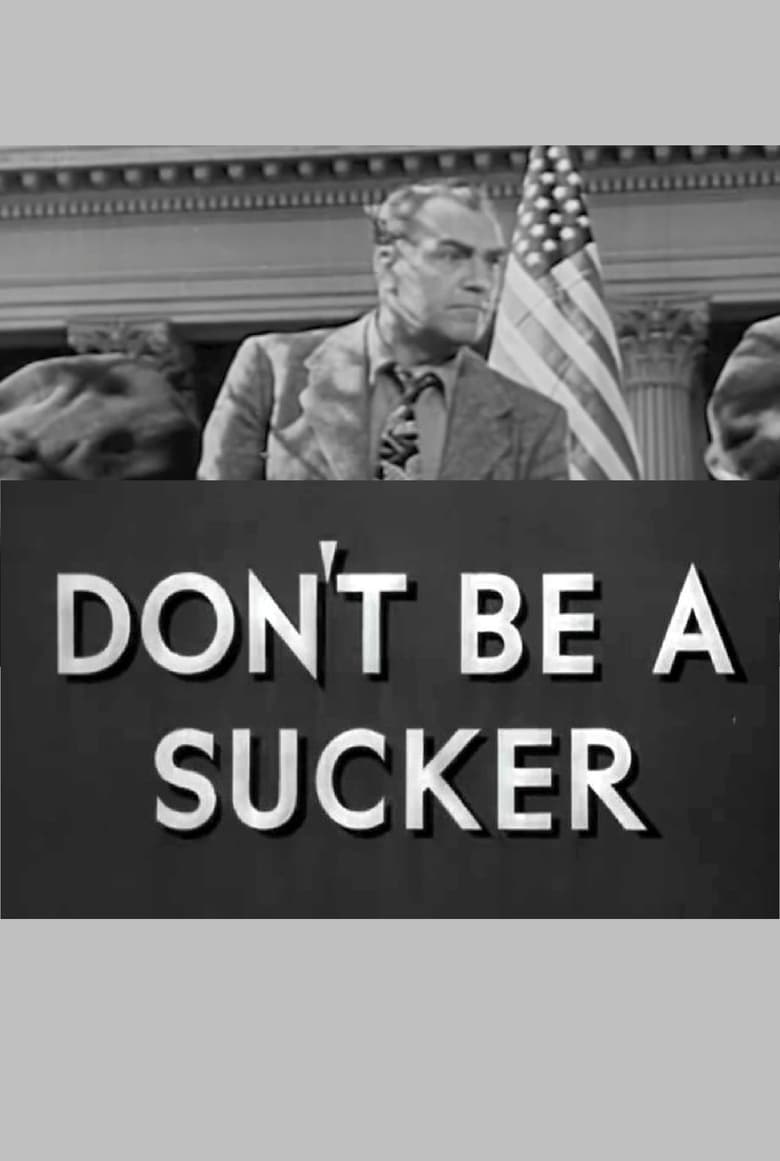
1943
Runtime
23 minutes
Average Rating
No ratings yetSynopsis
Propaganda short film depicting the rise of Nazism in Germany and how political propaganda is similarly used in the United States. The film was made to make the case for the desegregation of the United States armed forces.
Overall Score
Minimal
Category Breakdown
LGBTQ+ Representation
The film contains no depictions of queer identities or non-heteronormative narratives. Its focus remains strictly on nationalistic archetypes and civic duty.
Gender Representation
The narrative relies on patriarchal archetypes like Uncle Sam rather than a diverse gender spectrum. It avoids engaging with gendered power dynamics or subverting traditional hierarchies.
Racial & Ethnic Diversity
The film advocates for the desegregation of the U.S. armed forces, implicitly challenging systemic racial hierarchies. However, it uses metaphorical personifications rather than explicit character development.
Religious & Cultural Diversity
The work reinforces traditional Western institutions and state authority. It promotes a singular national morality centered on patriotism and the stability of existing democratic structures.
Disability Representation
There is no representation of physical or neurodivergent disabilities. Characters serve as stylized caricatures to illustrate political concepts rather than human experiences.
Strengths
Areas for Improvement
AI Analysis
Directed by Chuck Jones, this 1943 propaganda short serves as a tool for wartime mobilization. Its primary strength lies in its progressive systemic objective: advocating for the desegregation of the United States military. This provides a rare, albeit implicit, challenge to the racial hierarchies of the era. However, the film's narrative architecture is deeply traditionalist. It prioritizes the preservation of the state and the reinforcement of established social contracts over character-driven diversity. The representation is largely metaphorical, utilizing personified archetypes rather than a diverse cast of individuals. Ultimately, the film functions as a reinforcement of Western institutional stability. While its message regarding military integration was forward-thinking for its time, the content lacks any meaningful engagement with gender, disability, or LGBTQ+ identities.
2005
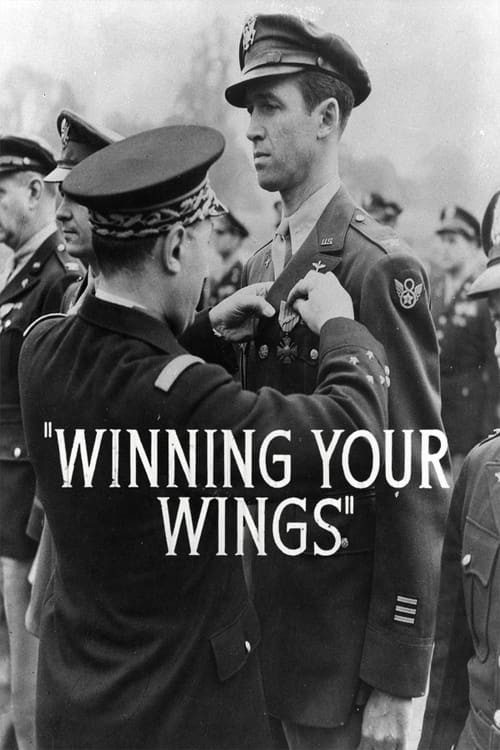
1942
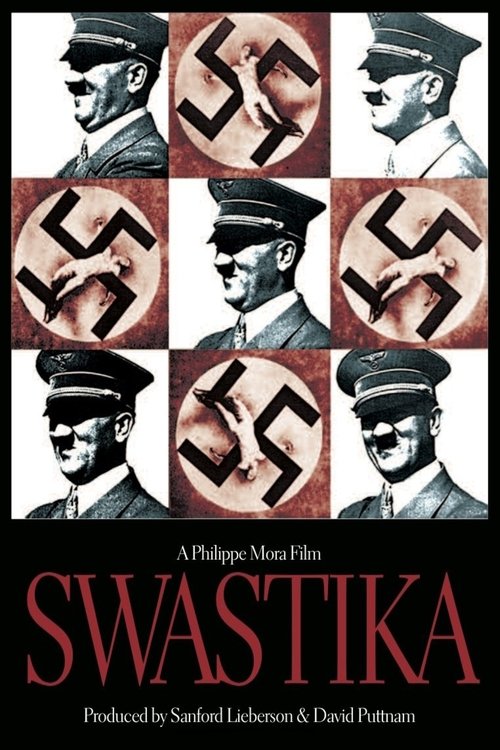
1974
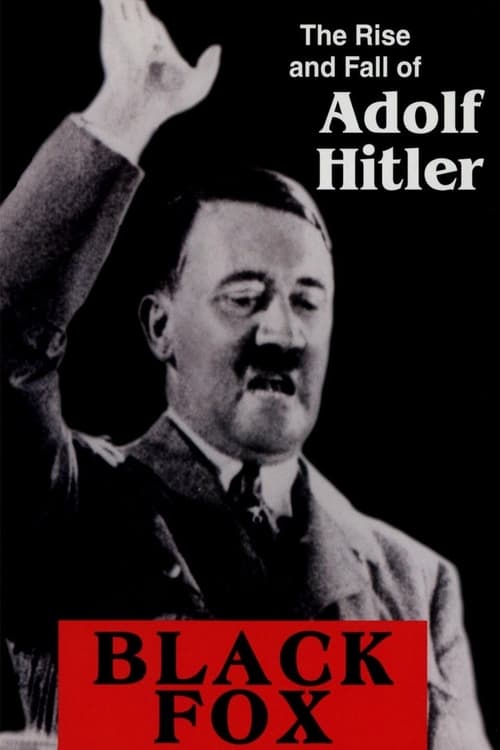
1962
1971

1965
2007
No reviews yet. Be the first to share your thoughts on this movie!
Use the rating form above to leave a star rating and optional review.