
Camille
1984
No user ratings available yet
Diversity score: 4.7 out of 10
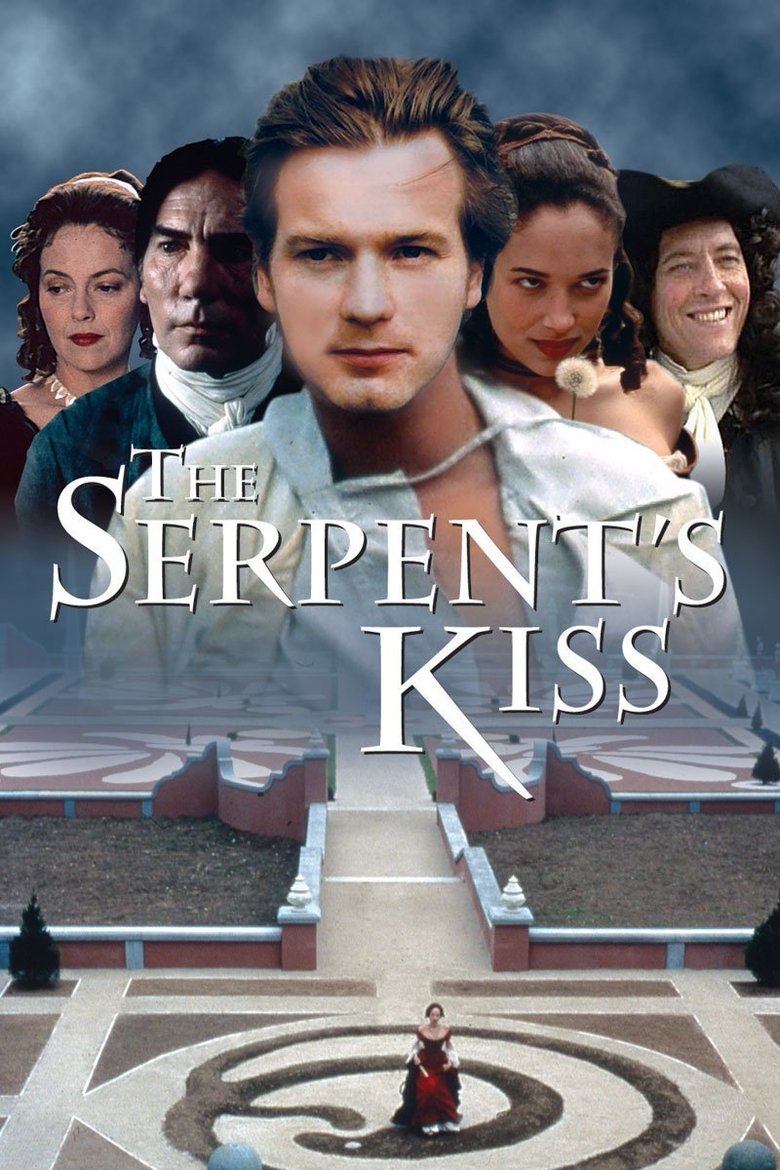
1997
RDirector
Philippe Rousselot
Runtime
104 minutes
Average Rating
No ratings yetSynopsis
A man sends a young architect to build an extravagant garden to bankrupt the husband of the woman he once loved.
Overall Score
Limited
Category Breakdown
LGBTQ+ Representation
The film adheres to a traditional heteronormative framework. There is no evidence of same-sex intimacy or non-cisnormative gender identities.
Gender Representation
The protagonist subverts Victorian expectations of female passivity. She demonstrates significant psychological agency and intellectual endurance while navigating her partner's volatility.
Racial & Ethnic Diversity
The cast is predominantly white and Anglo-Saxon, reflecting the historical social constraints of 19th-century England. It maintains a homogeneous depiction of European social strata.
Religious & Cultural Diversity
The narrative explores moral relativism and subjective truth. It functions as a character study of obsession rather than a critique of institutional structures.
Disability Representation
Mental health is a central, complex driver of the plot. The film avoids mockery or inspiration porn, focusing instead on the disruptive nature of psychological instability.
Strengths
Areas for Improvement
AI Analysis
The film is a period-specific psychological drama that finds its depth through the deconstruction of reality and gendered expectations. It succeeds in portraying a complex female lead who resists traditional submissive tropes. However, the work lacks intersectional breadth. The setting and casting result in a lack of racial and LGBTQ+ diversity, keeping the narrative within a narrow, homogeneous social sphere. Ultimately, the film's progressive value lies in its psychological nuance rather than its social inclusivity.
1984

1993

1981

1987

2004
1994

1979

1966

1993

1954

1996
1986
No reviews yet. Be the first to share your thoughts on this movie!
Use the rating form above to leave a star rating and optional review.