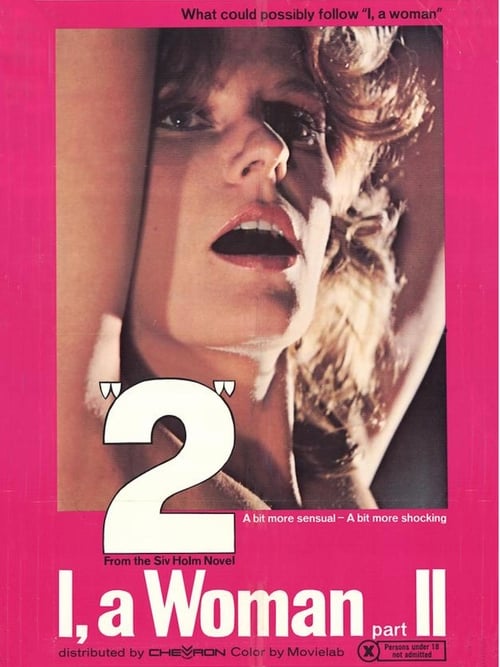
I, a Woman Part II
1968
No user ratings available yet
Diversity score: 4.9 out of 10
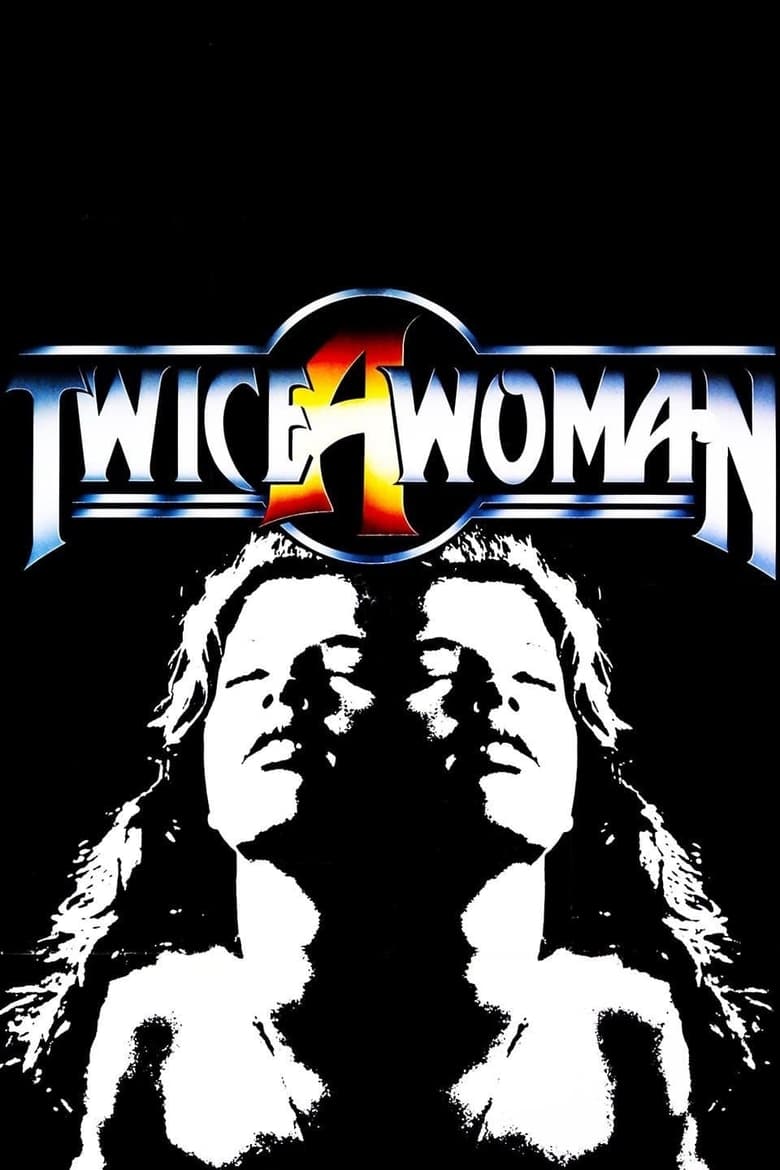
1979
Director
George Sluizer
Runtime
110 minutes
Average Rating
No ratings yetSynopsis
When a divorced museum director takes a young girl as a lover things quickly become more complicated when her ex-husband also engages in a relationship with the girl.
Overall Score
Fair
Category Breakdown
LGBTQ+ Representation
The film lacks explicit LGBTQ+ characters or narratives. While it explores a non-traditional romantic triad, this serves as a psychological study rather than a celebration of queer identity.
Gender Representation
The narrative centers on a woman's internal psyche and her agency. It disrupts traditional hierarchies by prioritizing her subjective experience and autonomy over her roles as a wife or mother.
Racial & Ethnic Diversity
The cast appears homogeneous, reflecting a specific Western, Eurocentric social milieu. There is no evidence of intentional racial blending or diverse ethnic perspectives within the production.
Religious & Cultural Diversity
The film engages with postmodern themes of subjective truth and fragmented identity. It maintains a secular, psychologically driven worldview rather than offering systemic or anti-capitalist critiques.
Disability Representation
Psychological crises are treated as existential or philosophical conditions. The film does not actively center disability representation or depict specific disabilities as central themes.
Strengths
Areas for Improvement
AI Analysis
Twice a Woman is a character-driven psychological study that finds its strength in its nuanced exploration of female subjectivity. By centering the protagonist's internal transformation, the film moves beyond traditional gendered tropes to offer a complex look at autonomy. However, the film remains rooted in a traditional European art-house framework. It lacks racial diversity and does not engage with specific identity-based narratives, focusing instead on individualistic, psychological struggles within a Eurocentric setting. Ultimately, while the film offers depth regarding gendered experience, its narrow social scope and lack of diverse ethnic or identity-driven representation limit its broader inclusivity.
1968

1995

2022

1975
1978

2022

1976

1974

2015

1964

1977

1981
No reviews yet. Be the first to share your thoughts on this movie!
Use the rating form above to leave a star rating and optional review.