
Camille
1984
No user ratings available yet
Representation score: 4.2 out of 10
Representation Score
Limited
1987
Director
Jacques Deray
Runtime
122 minutes
Average Rating
No ratings yetNew Showbiz Analysis
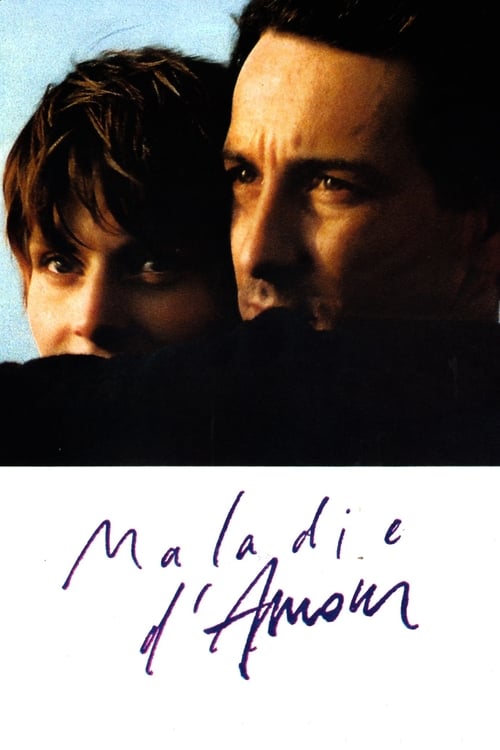
Malady of Love operates within the classical framework of French romantic drama, emphasizing interpersonal conflict over broader social critique. The story revolves around a repetitive cycle of pursuit and abandonment among three central characters. The film adheres to traditional archetypes, particularly in its portrayal of gender and medical conditions. It functions primarily as a study of romantic fatalism, focusing on individual passion and psychological interactions within a homogeneous social landscape.
Category Breakdown
The film centers on a traditional heterosexual relationship involving three main characters. It does not include any characters with non-binary gender identities or explore critiques of heterosexuality.
The story follows traditional gender roles, where Juliette is shown as emotionally unstable and passive, while the male characters compete for dominance and influence.
The setting suggests a typical European context, likely reflecting a homogeneous demographic typical of mid-century French romance. The narrative leans towards a conventional European backdrop.
The film emphasizes individualistic struggles in a romantic context, focusing on personal relationships rather than broader social or cultural critiques. It engages with traditional Western social structures through its medical and provincial settings.
Juliette's Hodgkin's disease serves as a metaphor for love, which can overshadow the reality of living with a serious illness. This framing may reduce the condition to a narrative tool for emotional development.
Present on Screen
Limited or Absent
Official Synopsis
Two physicians, one old and one young, fall in love with the same woman, Juliette, a quixotic hairdresser. First, she is with Raoul, the older one; then passion for Clément, the younger doctor, takes over. Raoul fights back, playing on Clément's guilt and Juliette's lack of self-assurance; then, Clément makes his case to Juliette, abandons his fiancée, and takes her to the provinces where he sets up practice and asks her to have a baby. She panics and abruptly leaves Clément, taking up with Raoul again. When she contracts Hodgkin's disease and the treatment does no good, Raoul believes she has the malady of love. Is there a cure?
1984

1991

2001

1965

1971

1971
1986
1996
No reviews yet. Be the first to share your thoughts on this movie!
Use the rating form above to leave a star rating and optional review.