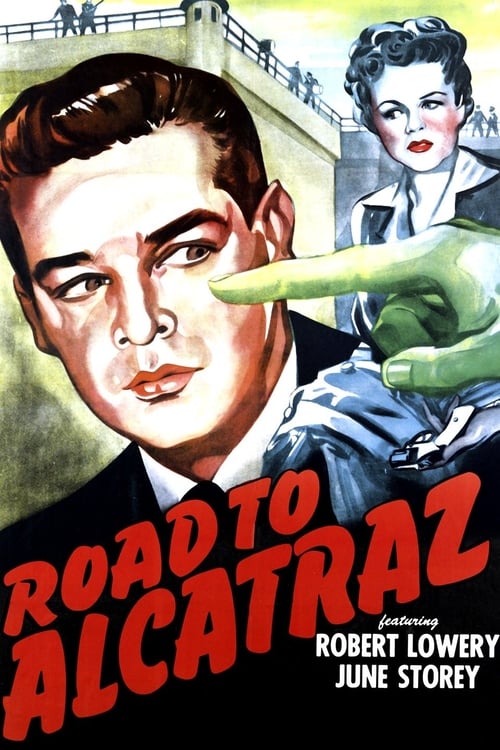
Road to Alcatraz
1945
No user ratings available yet
Representation score: 2.9 out of 10
Representation Score
Minimal
1924
PassedDirector
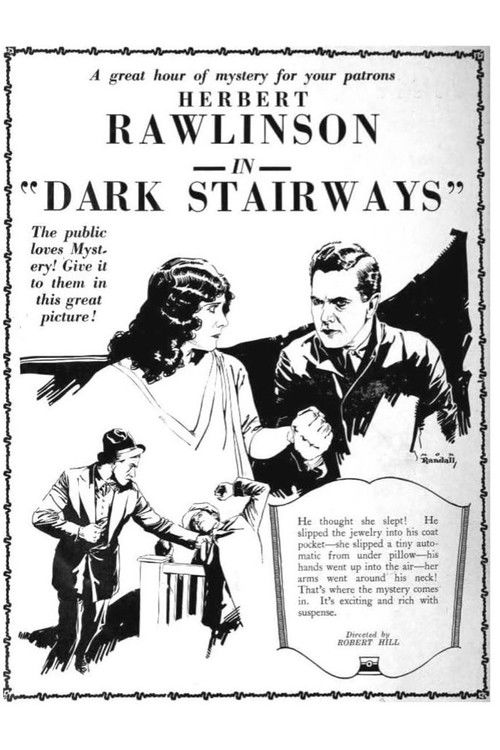
Robert F. Hill
Runtime
50 minutes
Average Rating
No ratings yetNew Showbiz Analysis
Dark Stairways is a conventional silent mystery that emphasizes traditional themes of class, crime, and institutional authority. The narrative structure relies heavily on established genre clichés from the early 20th century. The film offers minimal disruption to the social hierarchies of its time. By focusing on male-driven economic power and the protection of capital, the story maintains a narrow, traditionalist perspective. Ultimately, the work lacks complexity in reflecting multiple aspects of identity. It functions as a standard crime drama that upholds the status quo of the 1920s through its character dynamics and thematic focus.
Category Breakdown
The film does not include any characters with LGBTQ+ identities or non-binary gender expressions. It adheres strictly to the assumption that everyone is straight and cisgender.
The story centers on male figures, including a male protagonist, his father, and a male antagonist. These characters reinforce traditional patriarchal power structures.
The film features a cast that reflects the homogeneous, Western-centric casting norms of the silent era. There is no evidence of diverse casting or racial blending in the story.
The narrative explores themes of wealth and banking within traditional Western values. It centers on the stability of financial systems without challenging social orders.
There is no information about characters with visible or invisible disabilities in this production.
Present on Screen
Limited or Absent
Official Synopsis
Sheldon Polk's father, a wealthy banker, agrees to make a loan to Frank Farnsworth. Sheldon is robbed while delivering the money and is arrested for theft on circumstantial evidence.
1945
1940

1948
1942
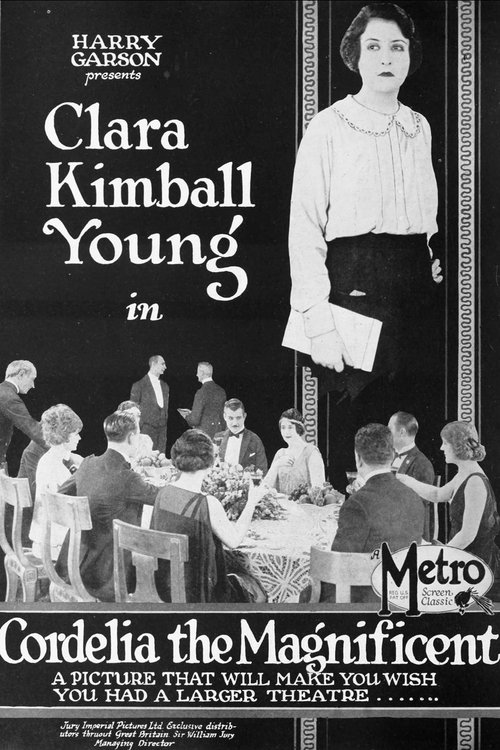
1923
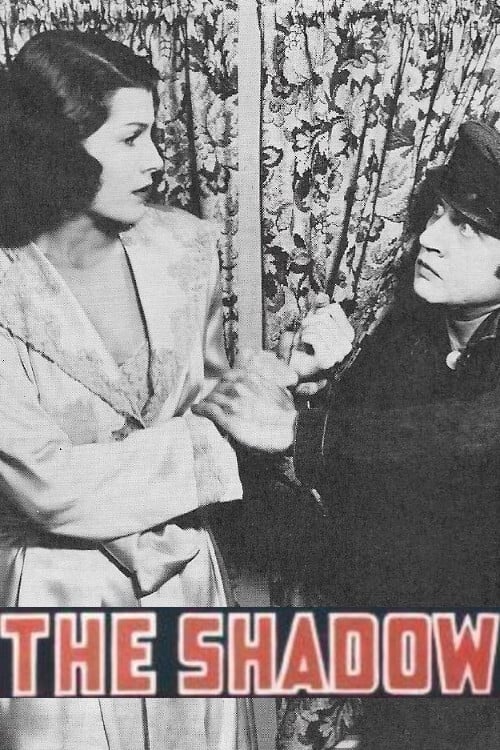
1937
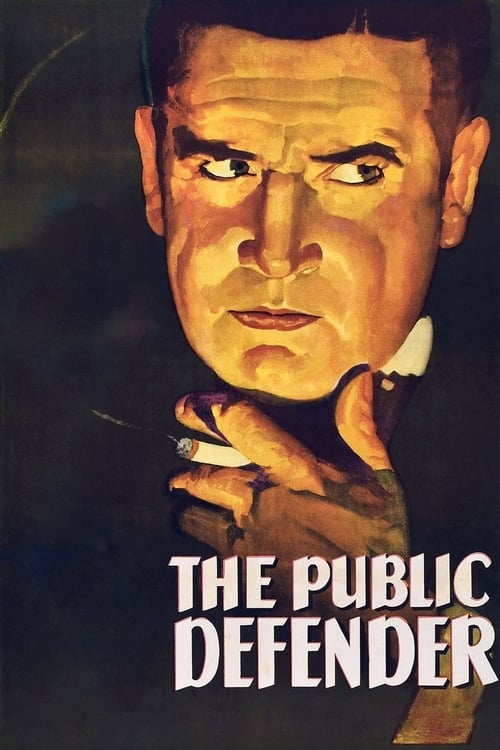
1931
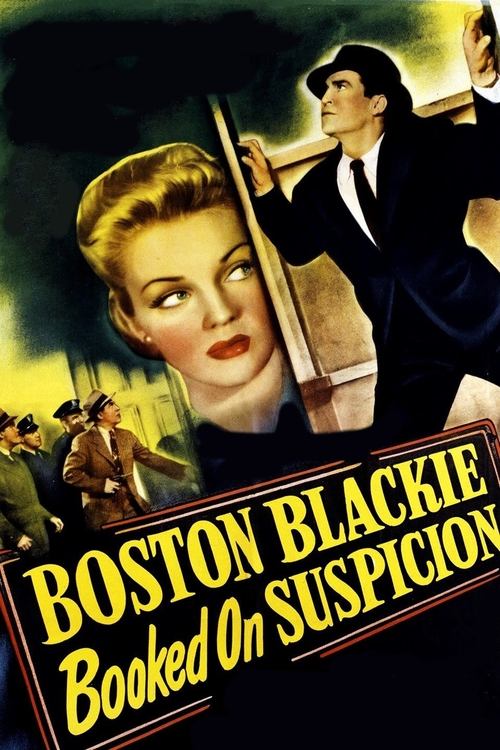
1945
No reviews yet. Be the first to share your thoughts on this movie!
Use the rating form above to leave a star rating and optional review.