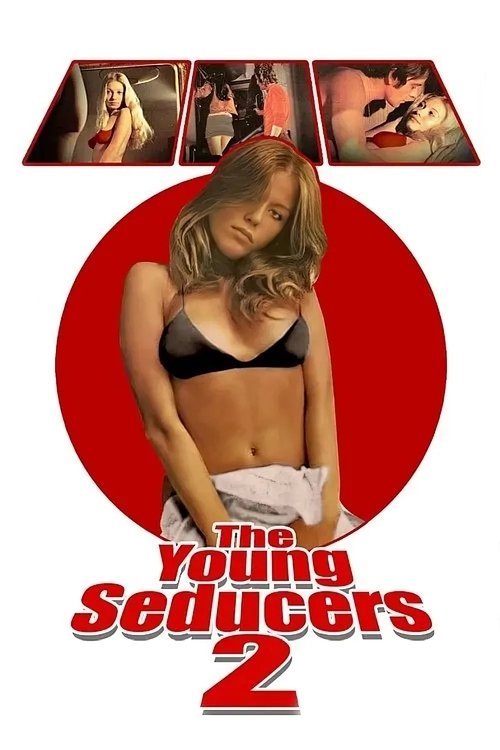
The Young Seducers 2
1972
No user ratings available yet
Representation score: 1.4 out of 10
Representation Score
Minimal
1971
RDirector
Erwin C. Dietrich
Runtime
79 minutes
Average Rating
No ratings yetNew Showbiz Analysis
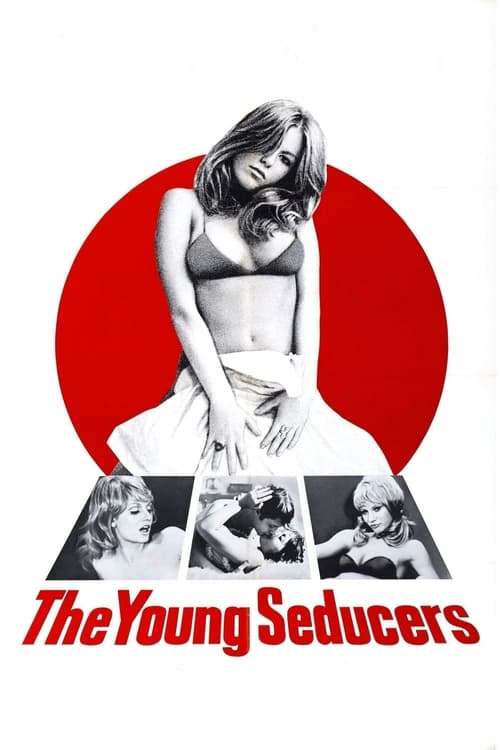
The Young Seducers is a genre piece that reflects the demographic and social norms of early 1970s European exploitation cinema. It lacks the complexity needed to address overlapping aspects of identity or challenge traditional institutions. While the film centers on female characters, their roles are tied to sexual allure and traditional clichés. The narrative follows conventional social hierarchies rather than challenging them. Overall, the film serves as a commercial comedy of its time, prioritizing escapism over diverse storytelling.
Category Breakdown
The film adheres to the sexual norms and assumptions of the 1970s, with no representation of non-traditional gender identities or critiques of heterosexual norms.
While female characters play a central role in driving the plot through their sexual desires, the focus on 'seducers' suggests a reliance on traditional gender clichés, reinforcing established gender power dynamics.
The production context indicates a homogeneous demographic typical of Western European cinema in 1971, with no indication of a diverse or non-Anglo-Saxon majority cast.
The film serves as commercial escapism, adhering to standard genre conventions that generally support traditional social structures.
There is no evidence that disability, neurodivergence, or chronic illness are addressed as central narrative elements or character arcs.
Present on Screen
Limited or Absent
Official Synopsis
The budding sexual urges of young women cause themselves and others trouble.
1972
1980
1972
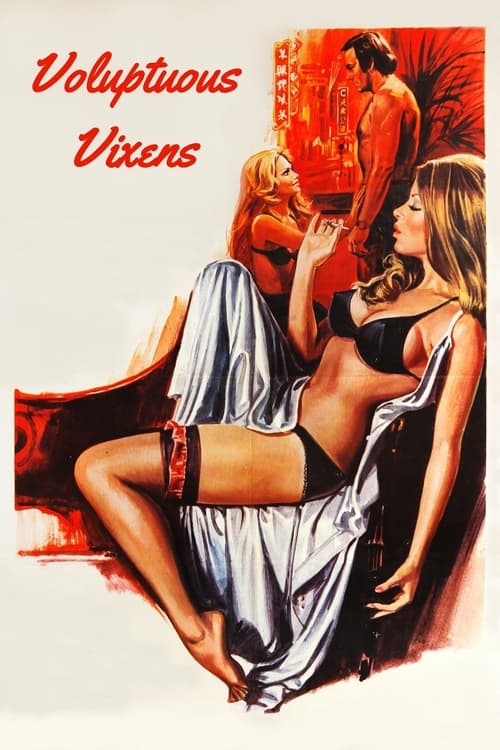
1972
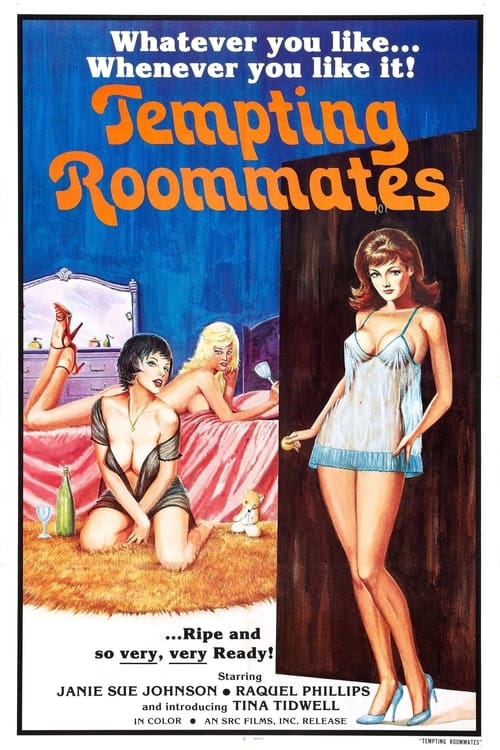
1975
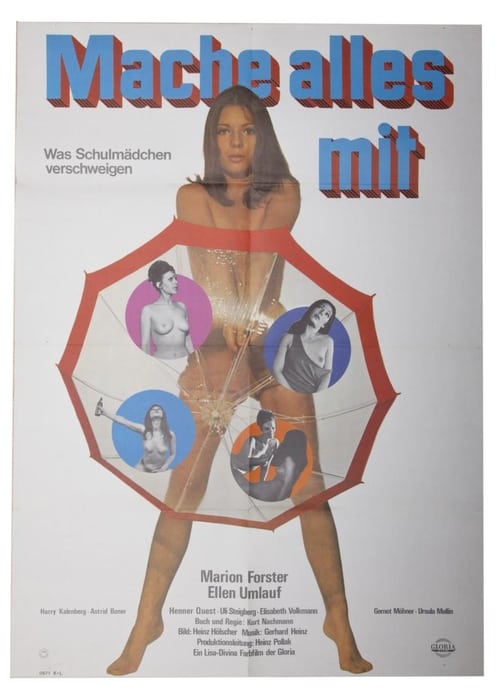
1971
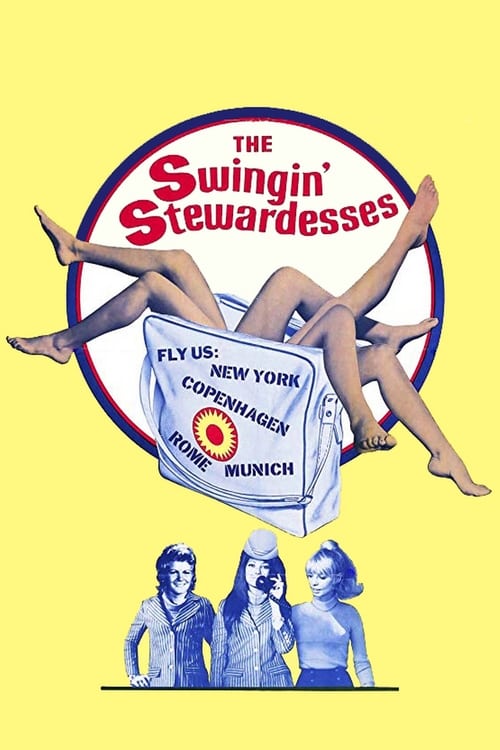
1971
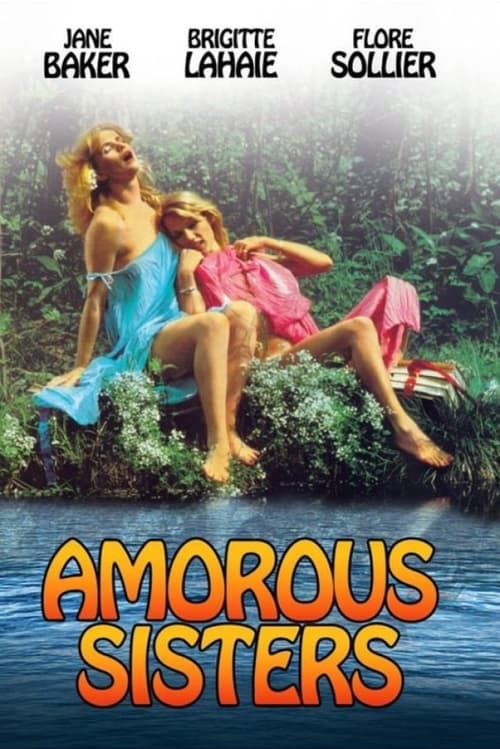
1980
No reviews yet. Be the first to share your thoughts on this movie!
Use the rating form above to leave a star rating and optional review.