In Between
2013
No user ratings available yet
Representation score: 4.0 out of 10
Representation Score
Fair
2020
Director
Firouzeh Khosrovani
Runtime
82 minutes
Average Rating
No ratings yetNew Showbiz Analysis
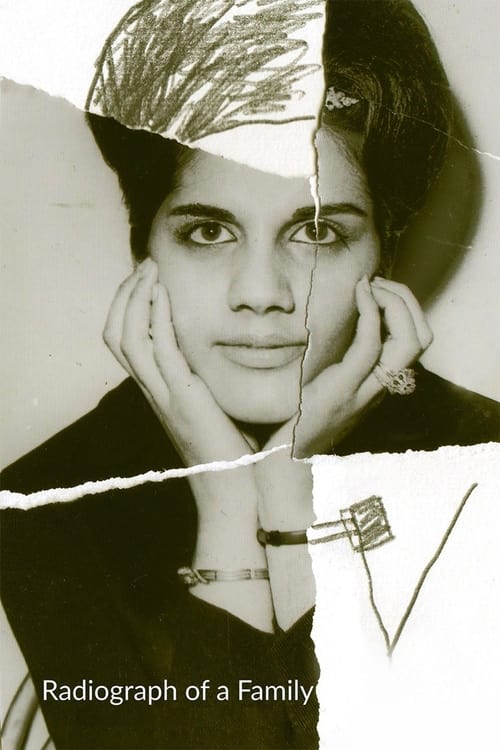
Radiograph of a Family is a sophisticated archival documentary that transforms objective history into a deeply personal narrative. Using home movies, it creates a multi-generational Iranian story that feels intimate rather than clinical. The film’s strength lies in its ability to depict the domestic sphere as a site of ideological conflict. It moves beyond simplistic cultural depictions to show the tension between the secular and the sacred. While the film lacks explicit LGBTQ+ representation, it excels in giving ability to act to its Middle Eastern protagonists, reclaiming their history from broader geopolitical stereotypes.
Category Breakdown
The film does not include explicit LGBTQ+ characters or narratives. It emphasizes the traditional structures of the family and personal identity.
The film challenges patriarchal views by focusing on the experiences of women and domestic life. The portrayal of the mother, Tayi, offers a nuanced look at femininity.
The film provides an authentic Middle Eastern perspective that avoids stereotyping. It gives significant roles to characters of color within their own cultural context.
The story highlights conflicts between secular progressivism and traditional religious beliefs. It presents the domestic sphere as a battleground for differing belief systems.
There is no evidence of disability being a central theme or plot device in this documentary.
Present on Screen
Limited or Absent
Official Synopsis
"Mother married a photo of Father," says director Firouzeh Khosrovani in the opening of this deeply personal documentary. She's not speaking metaphorically though. Her mother Tayi literally married a portrait of Hossein in Teheran -he was in Switzerland studying radiology and was unable to travel back to his homeland for the wedding. The event illustrates the abyss that still exists in their marriage: Hossein is a secular progressive and Tayi a devout, traditional Muslim.
2013
2023
1998
2020
1992

2018
2020
2010
No reviews yet. Be the first to share your thoughts on this movie!
Use the rating form above to leave a star rating and optional review.