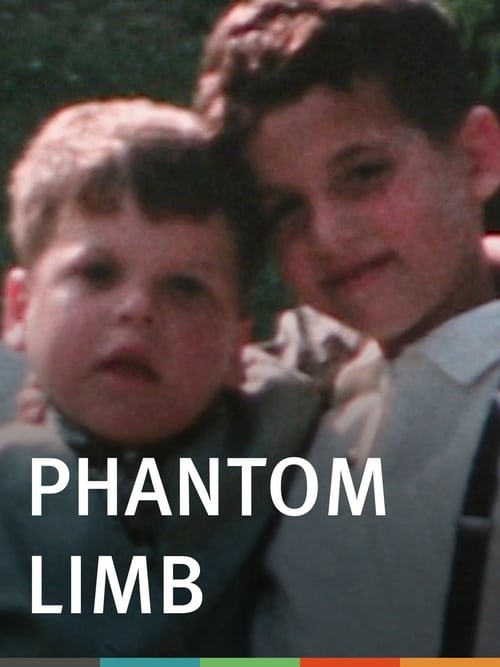
Phantom Limb
2005
No user ratings available yet
Representation score: 6.1 out of 10
Representation Score
Good
1993
Not RatedDirector
Ross McElwee
Runtime
114 minutes
Average Rating
No ratings yetNew Showbiz Analysis
Ross McElwee’s documentary is a deeply personal exploration of grief that prioritizes emotional authenticity over broad demographic representation. It successfully dismantles traditional masculine archetypes by highlighting a protagonist’s vulnerability to depression and loss. However, the film remains confined to a specific, homogeneous social setting, limiting its racial and LGBTQ+ diversity. Ultimately, the work finds its strength in its philosophical approach to mortality and its portrayal of the human condition’s fragility, rather than adhering to conventional documentary formats.
Category Breakdown
The film focuses on traditional heterosexual relationships, such as marriage and pregnancy. There are no representations of LGBTQ+ individuals or narratives that challenge straight-centered structures.
The film challenges traditional masculine stereotypes by showing a male protagonist who is emotionally vulnerable rather than stoic. It explores the impact of grief through the lens of emotional instability.
The film appears centered on a localized, homogeneous family unit. There is no evidence of a multi-ethnic cast or diverse racial representation within the narrative.
The film avoids relying on a single religious perspective, instead focusing on a secular, philosophical exploration of mortality. It challenges the idealized Western family unit by portraying dysfunction and loss.
While physical disabilities are not a focus, the film provides depth to invisible disabilities. Clinical depression serves as a central narrative driver, giving psychological distress a significant role.
Present on Screen
Limited or Absent
Official Synopsis
After documentarian Ross McElwee gets married, a series of misfortunes follow: his grandmother dies, his wife miscarries, and then his father dies less than a week later. Shaken by the sudden string of deaths, McElwee becomes depressed. After spending time with his friend and former high school poetry teacher, Charlene, he goes to meet his brother, a doctor. In a series of interviews, McElwee contemplates his morbid preoccupation with death and tries to figure out how to shake it off.
2005
1978

2003

2011
2001

2011
2018
2020
No reviews yet. Be the first to share your thoughts on this movie!
Use the rating form above to leave a star rating and optional review.