
After the End
2013
No user ratings available yet
Representation score: 7.3 out of 10

Representation Score
Good
2005
Director
Jay Rosenblatt
Runtime
28 minutes
Average Rating
No ratings yetNew Showbiz Analysis
Phantom Limb is a poetic documentary that prioritizes existential exploration over demographic breadth. It functions as a psychological study of trauma and the stages of grieving rather than a survey of diverse identities. The film finds strength in its nuanced treatment of neuro-sensory disability and its refusal to rely on traditionalist religious frameworks for closure. It uses the physical sensation of a phantom limb to map the internal reality of loss. However, the work lacks significant visibility regarding racial, ethnic, or LGBTQ+ identities. The narrative remains centered on a specific, localized family experience, offering little in the way of multi-layered or multicultural representation.
Category Breakdown
The film focuses on the universal mechanics of grief rather than LGBTQ+-specific narratives. There is no explicit mention of LGBTQ+ characters or identities within the story.
The narrative explores the vulnerability of the family unit and parental coping mechanisms. It moves away from traditional provider archetypes to focus on psychological fragmentation.
The film lacks evidence of a diverse cast or multicultural framework. It appears to be a localized, personal study of a specific family's experience.
The film prioritizes subjective, psychological truth over religious dogma. It uses secular perspectives to deconstruct traditional mourning and explore the impermanence of life.
The film engages meaningfully with disability through the lived experience of phantom limb syndrome. This neurological phenomenon serves as a sophisticated metaphor for the landscape of grief.
Present on Screen
Limited or Absent
Official Synopsis
The death of my seven-year-old brother when I was nine remains a painful and haunting memory. My parents did not know how to cope with the loss of their child and the entire family experienced indescribable pain. Phantom Limb uses this personal story as a point of departure. Whether it is a loss through death or divorce, the stages of grieving are the same. Individuals often go through denial, anger, bargaining, depression and, ultimately, some kind of acceptance, in order to heal. The film is loosely structured according to these stages. Interspersed throughout this poetic documentary are interviews with a cemetery owner, a phantom limb patient and an author of a book about evidence for life after death. Phantom Limb reminds viewers that while grief is painful and isolating, it is a reminder to each of us that life is impermanent. - Jay Rosenblatt
2013
1978
2011

2011
2018

2020
1993
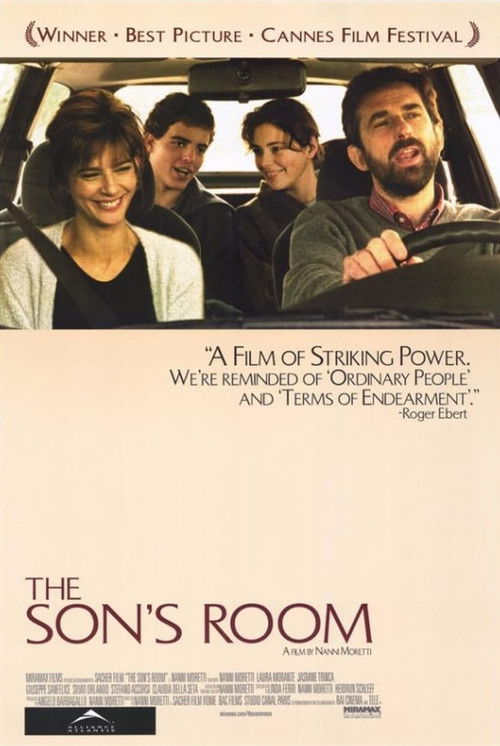
2001
No reviews yet. Be the first to share your thoughts on this movie!
Use the rating form above to leave a star rating and optional review.