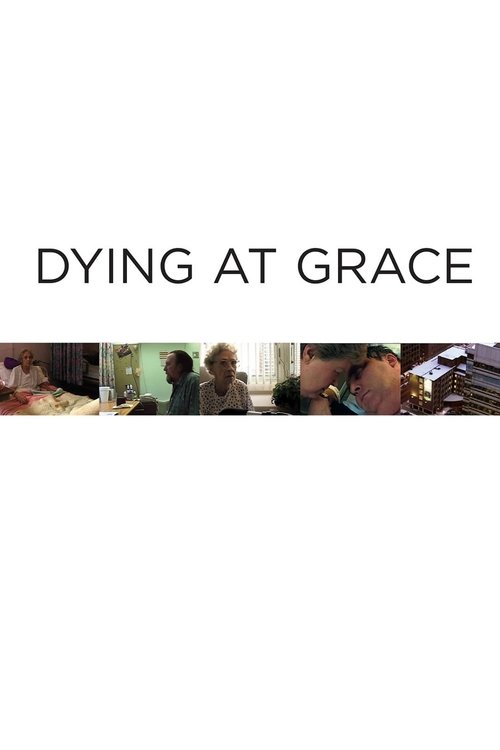
Dying at Grace
2003
No user ratings available yet
Representation score: 4.9 out of 10

Representation Score
Excellent
2003
16Director
Jürg Neuenschwander
Runtime
93 minutes
Average Rating
No ratings yetNew Showbiz Analysis
Sooner or Later is a sophisticated observational documentary that uses the inevitability of death to bridge cultural divides. Its primary strength lies in the comparative architecture between Western clinical environments and Tibetan spiritual traditions. While the film does not explicitly focus on specific identity politics like LGBTQ+ narratives, it successfully deconstructs Western-centric views of mortality. By elevating non-Western frameworks to a position of equality, it offers a nuanced look at the human condition. The film's approach to illness and grief avoids common cinematic pitfalls, opting for a sensitive, humanistic lens that emphasizes shared vulnerability over traditional social hierarchies.
Category Breakdown
The film focuses on the universal experience of mortality and does not include specific LGBTQ+ narratives.
The film centers on shared vulnerability, moving away from traditional masculine roles to an egalitarian portrayal of grief and emotions.
By comparing Western attitudes with Tibetan cultural practices, the film challenges Eurocentric dominance and treats different traditions equally.
Exploring Tibetan metaphysical perspectives, the film critiques the secular-materialist worldview of Western society and promotes existential relativism.
The documentary addresses physical vulnerability and fatal diseases with dignity, avoiding common clichés and focusing on the realistic transition of the body.
Present on Screen
Limited or Absent
Official Synopsis
Thought-provoking and moving, “sooner or later” explores life's only inevitability, death. Jürg Neuenschwander's camera takes us into the hospital rooms, morgues and homes where life comes to pass. A young couple saying their last goodbyes to their newborn son or the teenager coming to terms with a fatal disease: the film accompanies those affected by death, and compares our western attitude to death with that in Tibetan culture. Final goodbyes from life are universally painful and difficult, and Neuenschwander's sensitive film subtly reminds us of our own mortality.
2003
1978
1995

2011
1989

2020

1979

2010
No reviews yet. Be the first to share your thoughts on this movie!
Use the rating form above to leave a star rating and optional review.