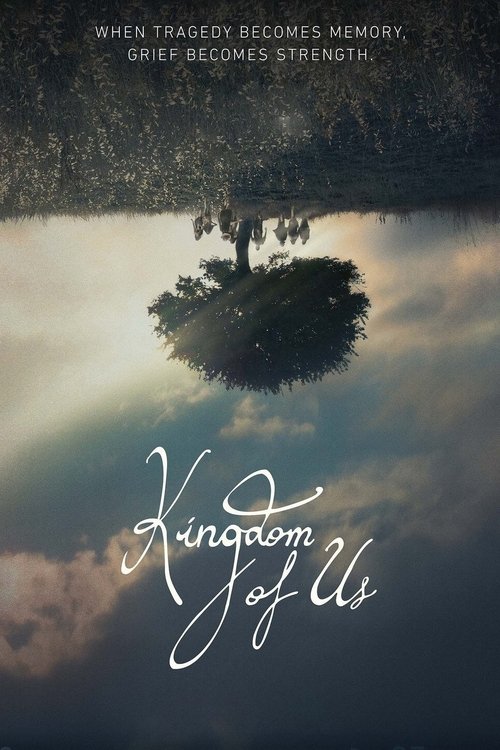
Kingdom of Us
2017
No user ratings available yet
Representation score: 7.2 out of 10

Representation Score
Good
2018
Director
Cille Hannibal
Runtime
44 minutes
Average Rating
No ratings yetNew Showbiz Analysis
This film is an intimate, character-driven study that prioritizes emotional authenticity over broad demographic variety. It disrupts sanitized depictions of family stability through a poetic, sensory lens. While the work lacks multi-layered casting or overt political subversion, it provides a sophisticated look at how individuals navigate systemic emotional shifts. The focus remains on the internal reconfiguration of the mother-daughter bond. Ultimately, the documentary functions as a nuanced exploration of the human psyche, using the ritual of clearing out a loved one's belongings to drive its narrative.
Category Breakdown
The film does not feature any LGBTQ+ identities or narratives that challenge the assumption that everyone is straight or cisgender.
The movie emphasizes the emotional journey and vulnerability of a mother and daughter. It avoids clichés of female stoicism, presenting grief as an active, sophisticated engagement with reality.
The story focuses on a specific, localized family experience and does not include a multi-ethnic cast or diverse racial representation.
The film explores life and death from a secular, existential perspective. It moves away from rigid religious frameworks, focusing instead on philosophical inquiries within domestic spaces.
While the film does not focus on physical disabilities, it handles the psychological weight of profound grief with dignity. It examines the mental health implications of loss as a valid human experience.
Present on Screen
Limited or Absent
Official Synopsis
The director Cille Hannibal picks up her camera and starts filming her mother short after she lost her husband and companion in a tragic accident. This is a way for Cille to be there for her mother. A way they can be together in shared mourning. 'The Night We Fell' gives us a close and rare look at grief, and just like the mother and the daughter, the film moves into and out of grief and pain. The two women process their grief at the same time as they clear out his things. When the boxes are opened and a life is reviewed, the story of their love grows forth, and mother and daughter also form renewed and closer bonds. Together they explore the new possibilities that can give them hope and the desire for life to continue. Everyone who has lost a close person will be able to recognise something of themselves in Hannibal's poetic an sensuous films, where death is omnipresent, but is not allowed to overshadow the moments when the light starts to shimmer through.
2017
1978

2013

2020

2005

2017

2014

2017
No reviews yet. Be the first to share your thoughts on this movie!
Use the rating form above to leave a star rating and optional review.