Mort à Vignole
1998
No user ratings available yet
Representation score: 4.0 out of 10
Representation Score
Good
2001
Director
Christiane Burkhard
Runtime
50 minutes
Average Rating
No ratings yetNew Showbiz Analysis
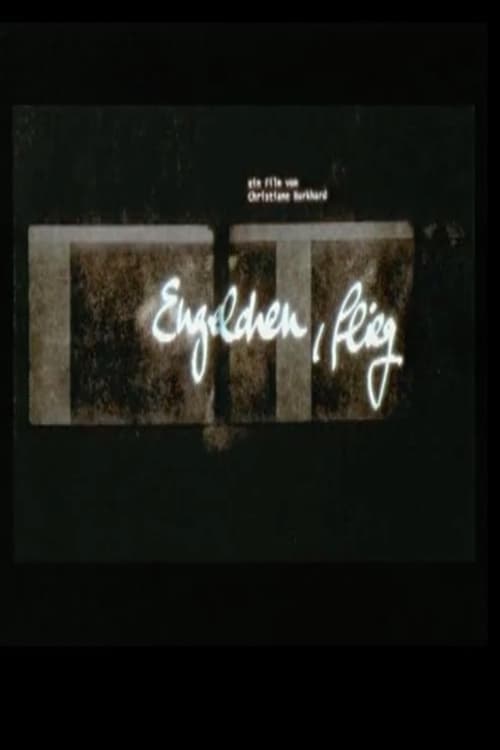
Fly, Little Angel is a deeply personal documentary that challenges traditional patriarchal storytelling. By centering the female gaze and domestic history through amateur footage, it offers a sophisticated look at gendered perspectives and emotional experiences. However, the film's narrow cultural and racial scope limits its broader representation of diverse ethnic identities. Ultimately, it is an intellectually rigorous study of memory and trauma, providing a nuanced exploration of psychological and gendered experiences.
Category Breakdown
The film focuses on a nuclear family and the shared grief of two sisters. There are no explicit depictions of LGBTQ+ identities or romances.
This is a female-driven narrative that emphasizes the internal, emotional perspectives of women. It uses the mother's Super-8 footage to highlight the female gaze.
The story centers on a specific, homogeneous family history within a Western European context. There is no evidence of multi-ethnic casting or diverse racial identities.
The film explores subjective morality by examining individualized, secular rituals of healing. It avoids traditional religious frameworks, focusing instead on a complex, personal process of mourning.
While physical disabilities are not a focus, the film explores the psychological trauma of long-term grief. It portrays the mental health implications of sudden loss with nuance.
Present on Screen
Limited or Absent
Official Synopsis
Twenty years ago, director Christiane Burkhard’s parents died in a plane crash. Now she has made a documentary, in collaboration with her sister, about remembering and coming to terms with the facts. First, she looks for accounts in the former homes and from family and friends of the couple. She also has a large number of old Super-8 recordings. Her mother was an enthusiastic amateur filmmaker, who captured all the major family events on film. Together with her sister, Burkhard watches the footage of the smiling faces of her parents. Making this documentary becomes a self-conceived ritual that should help her bid farewell to an unreal and unaccepted past. The subdued tone suits the difficulties all those involved have talking about the event, even after twenty years.
1998
1978
2018
2008
2005

2011
2021
1983
No reviews yet. Be the first to share your thoughts on this movie!
Use the rating form above to leave a star rating and optional review.