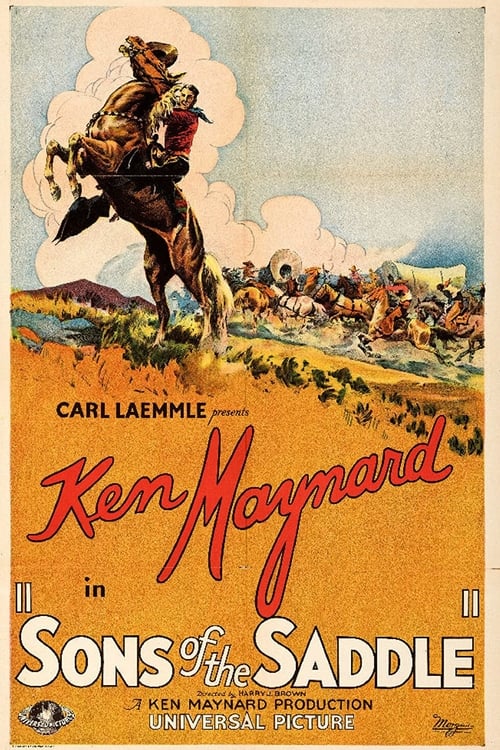
Sons of the Saddle
1930
No user ratings available yet
Diversity score: 2.3 out of 10

1953
ApprovedDirector
William Beaudine
Runtime
77 minutes
Average Rating
No ratings yetSynopsis
A naïve, recently-orphaned young man discovers he's being used as a pawn in a crooked gambler's plan to rig a July 4 horserace. Western.
Overall Score
Minimal
Category Breakdown
LGBTQ+ Representation
The film operates within a strictly heteronormative framework. There are no depictions of same-sex intimacy or non-cisnormative gender identities.
Gender Representation
Dale Evans serves as a female protagonist navigating a male-dominated frontier. While she demonstrates agency in her search for her father, the portrayal adheres to mid-century gender expectations.
Racial & Ethnic Diversity
The cast is predominantly white and homogeneous, reflecting the era's standard depiction of the American West. The film lacks significant minority representation or diverse casting.
Religious & Cultural Diversity
The narrative reinforces mid-century ideals regarding family, property, and communal stability. It emphasizes traditional Western values and frontier justice rather than challenging established social orders.
Disability Representation
Characters are defined by their socioeconomic roles within the ranching structure. There are no visible or invisible disabilities portrayed with agency.
Strengths
Areas for Improvement
AI Analysis
Born to the Saddle is a quintessential mid-century B-Western that prioritizes traditional storytelling and established social hierarchies. The film functions as a period-typical reflection of 1950s cinematic norms, focusing on linear morality plays rather than systemic critique. While the film provides a central character arc for a female lead, it lacks intersectional complexity. The narrative reinforces the era's standard cultural values and maintains a homogeneous cast, offering little in the way of diverse representation or social subversion.
1930
1944
1932
1944

1919
1940

1953
1948
1941
1941
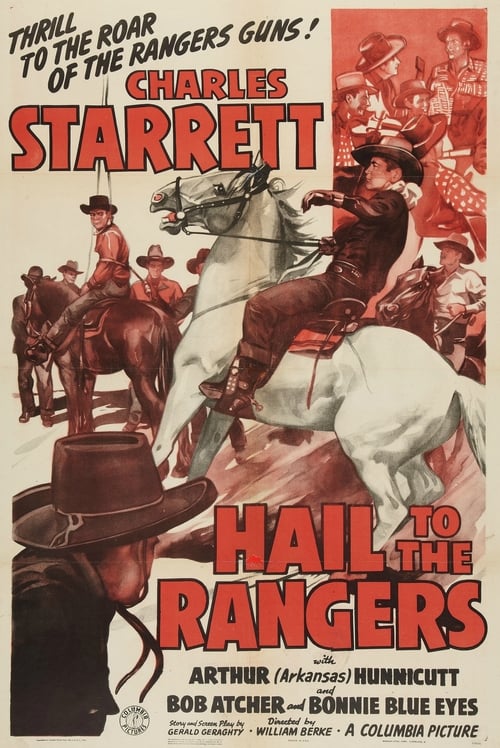
1943
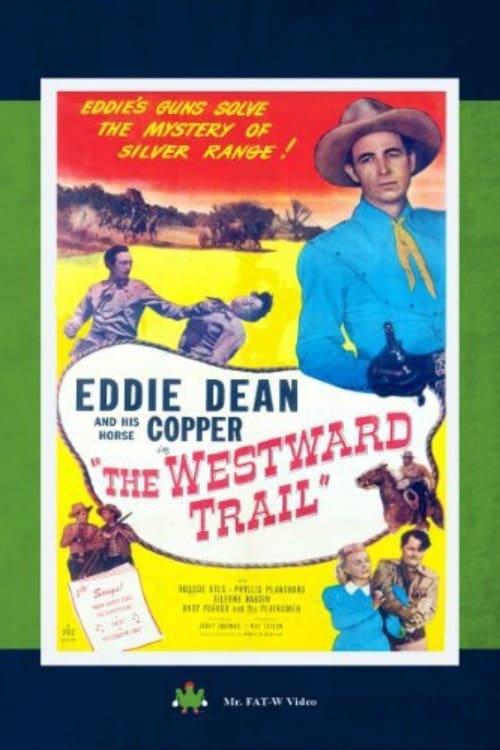
1948
No reviews yet. Be the first to share your thoughts on this movie!
Use the rating form above to leave a star rating and optional review.