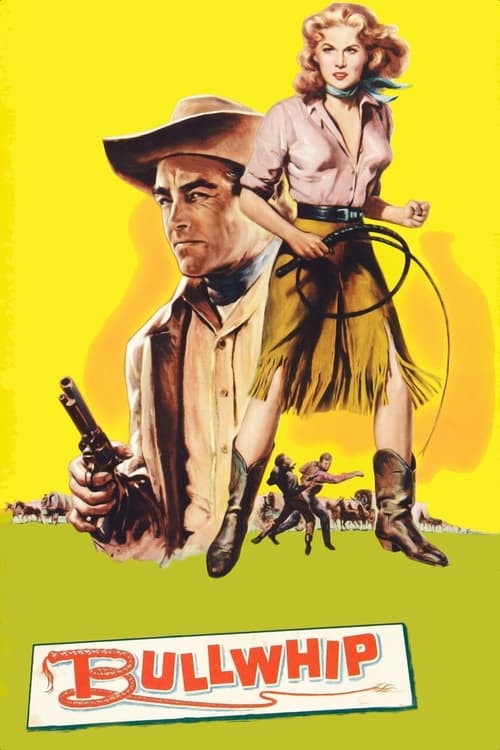
Bullwhip
1958
No user ratings available yet
Diversity score: 1.9 out of 10

1953
NRDirector
Harmon Jones
Runtime
73 minutes
Average Rating
No ratings yetSynopsis
Frustrated with the lack of opportunities in his hometown, young Jess Harker plans to leave, but sympathetic stagecoach armed guard Race Crim persuades his boss to give Jess the stage driver job.
Overall Score
Limited
Category Breakdown
LGBTQ+ Representation
The film follows a traditional heteronormative trajectory typical of 1953 cinema. There is no evidence of non-cisnormative identities or same-sex intimacy within the narrative.
Gender Representation
The story centers on the professional advancement of a male protagonist. Power dynamics focus on masculine competence and traditional vocational achievement in a male-dominated field.
Racial & Ethnic Diversity
The narrative focuses on the internal struggles of a white protagonist. It appears to adhere to the homogeneous casting norms common to mid-century Westerns.
Religious & Cultural Diversity
The plot reinforces traditional Western values of individual industry and social stability. It supports established frontier structures rather than deconstructing them.
Disability Representation
The film provides no information regarding characters with physical or neurodivergent disabilities. No assessment of representation in this category is possible.
Strengths
Areas for Improvement
AI Analysis
The Silver Whip is a conventional mid-century Western that prioritizes established genre tropes over social subversion. The narrative architecture reinforces traditional hierarchies, focusing on a male protagonist's journey through a male-dominated occupation. While the film provides a standard tale of mentorship and professional growth, it lacks intersectional complexity. It functions as a reflection of 1950s American social frameworks, offering little in the way of diverse perspectives or systemic critique. Ultimately, the film adheres to the homogeneous casting and cultural norms of its era, prioritizing traditional heroism and social stability within the frontier setting.
1958
1953
1950
1930
1956
1943
1936
1941
1950
1930
1940

1934
No reviews yet. Be the first to share your thoughts on this movie!
Use the rating form above to leave a star rating and optional review.