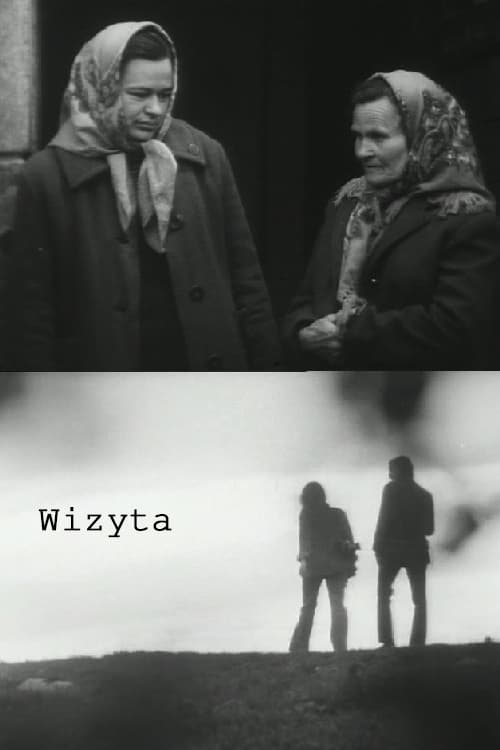
The Visit
1974
No user ratings available yet
Representation score: 5.8 out of 10
Representation Score
Good
1998
Director
Marcel Łoziński
Runtime
47 minutes
Average Rating
No ratings yetNew Showbiz Analysis
Marcel Łoziński’s documentary serves as a long-term study of human subjectivity. By revisiting Urszula Flis after twenty-three years, the film prioritizes the development of an individual's internal world over conventional storytelling. The film stands out in its challenge to the objective viewpoint. It questions the ethics of the documentary itself, creating a complex relationship between the filmmaker and the subject. While the film lacks broad racial and LGBTQ+ representation, it provides a sophisticated exploration of personal ability to act and the intricacies of the human condition.
Category Breakdown
The film does not include explicit references to queer identities or non-cisgender characters. It maintains a neutral stance typical for documentaries of this period.
Urszula Flis serves as the central figure, driving the narrative psychologically. The film avoids clichés that sideline women, focusing instead on her inner journey.
The subjects represent the specific demographic makeup of the Polish region. The narrative centers on a localized social environment rather than featuring diverse casting.
The work delves deeply into personal morality and critiques institutional authority. It emphasizes individual truth over traditional, rigid social structures.
The film highlights the subject's sensitivity and isolation, offering a nuanced look at psychological vulnerability. It examines internal fears rather than disability as a spectacle.
Present on Screen
Limited or Absent
Official Synopsis
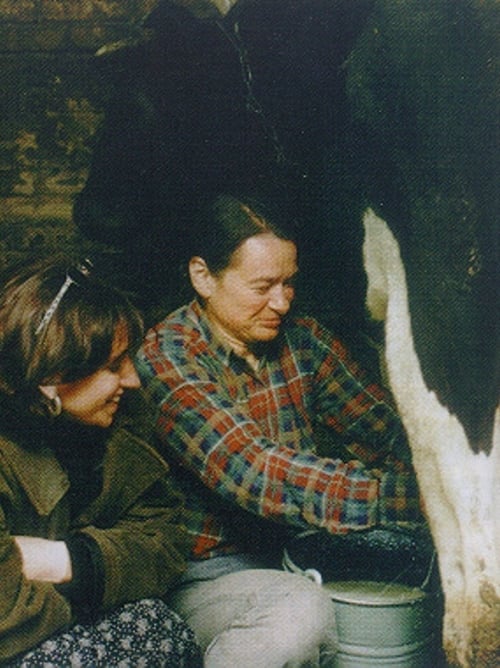
Polish filmmaker Marcel Łoziński revisits the farmer/intellectual Urszula Flis, subjects of his 1978 film 'A visit'. Łoziński observes the changes that have occurred over the intervening 23 years and again persuades this sensitive, secluded woman to talk through her thoughts, fears and feelings. Through this, the morality of the documentary portrait itself is called into question.
1974
1961

2008
1965
1995
1994
2003

2009
No reviews yet. Be the first to share your thoughts on this movie!
Use the rating form above to leave a star rating and optional review.