So it Doesn’t Hurt
1998
No user ratings available yet
Representation score: 7.5 out of 10
Representation Score
Fair
1974
Director
Marcel Łoziński
Runtime
15 minutes
Average Rating
No ratings yetNew Showbiz Analysis
Marcel Łoziński’s documentary excels by breaking down the power dynamics between the filmmaker and the subject. It goes beyond mere observation to challenge the authority of the lens, especially through its examination of class-based tensions. The film's strength lies in its subversion of traditional rural gender stereotypes and its nuanced critique of intellectual detachment. By highlighting a rural woman with intellectual ability to act, it avoids the simplistic clichés often associated with rural subjects. However, the film lacks diverse demographic representation. The absence of racial, ethnic, or LGBTQ+ representation reflects the specific social context of 1970s Poland rather than a broader spectrum of human identity.
Category Breakdown
The film does not include any explicit LGBTQ+ characters or narratives. The social environment reflects traditional structures without clear hints of queer relationships.
Urszula Flis challenges the typical image of a rural woman by showcasing significant intellectual ability to act. She goes beyond the stereotype of a passive peasant through her cultural interests and correspondence.
Set in a predominantly Polish rural area, the film does not feature multi-ethnic or multi-racial dynamics. Instead, it highlights internal class and cultural differences.
The film examines the tension between urban intellectuals and rural peasants. It questions the validity of the educated perspective when applied to real-life situations.
The film does not significantly address physical or neurodivergent disabilities. The subject matter does not explore these specific lived experiences.
Present on Screen
Limited or Absent
Official Synopsis
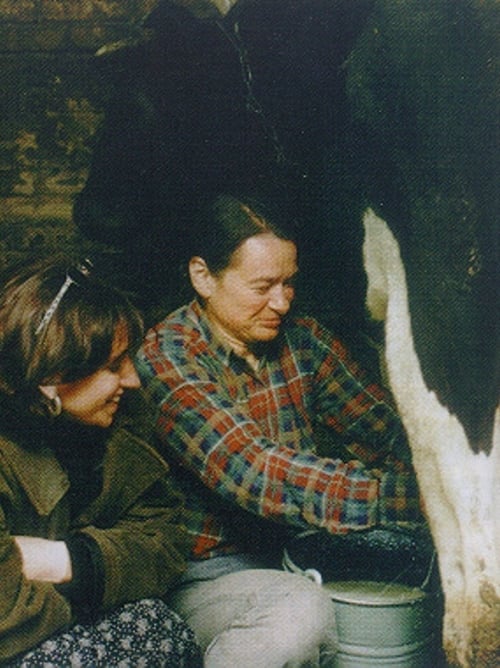
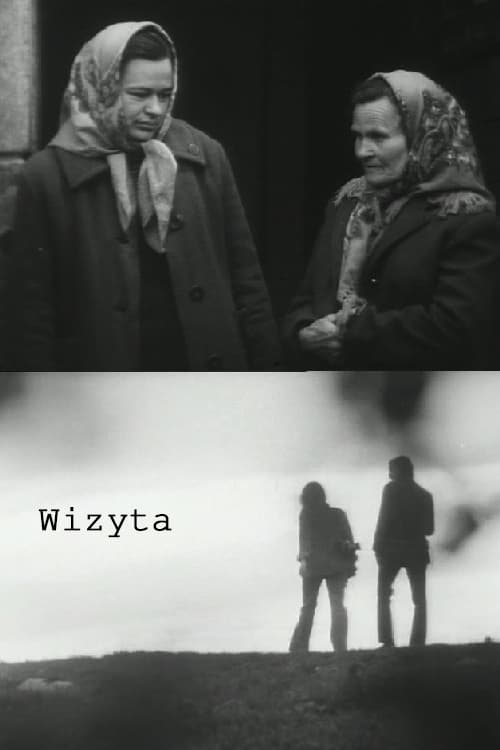
A "Polityka" weekly journalist Marta Wesolowska and photo-reporter Erazm Ciolek visit Urszula Flis, who runs a country farm. A young woman living on her own, Flis is an untypical villager in that she is interested in culture, corresponds with writers, etc.
1998
2017
1998
1973
1971
2003
1992
2004
No reviews yet. Be the first to share your thoughts on this movie!
Use the rating form above to leave a star rating and optional review.