Le Filmeur
2005
No user ratings available yet
Representation score: 7.3 out of 10
Representation Score
Fair
1995
Director
Marcel Łoziński
Runtime
39 minutes
Average Rating
No ratings yetNew Showbiz Analysis
Marcel Łoziński’s documentary is a profound exploration of existential questions. By placing a six-year-old boy in a position of intellectual leadership, the film challenges conventional age-based hierarchies and power dynamics. The narrative avoids contemporary identity politics, focusing instead on the fragility of life. It uses the contrast between youth and old age to deconstruct traditional notions of progress and singular truth. While the film lacks explicit representation of diverse ethnic or LGBTQ+ identities, its commitment to moral relativism and humanistic inquiry offers a progressive perspective on the human condition.
Category Breakdown
The film focuses on conversations between a child and elderly individuals. There is no direct mention of LGBTQ+ characters or narratives challenging the assumption that everyone is straight or cisgender.
The narrative centers around a young boy interacting with elderly citizens. The film grants the child a significant role in driving the story by allowing him to lead the conversation.
Set in a Warsaw park, the film focuses on the local population of the time. It lacks evidence of diverse ethnic casting.
The film explores philosophical relativism by contrasting a child's optimism with the experiences of the elderly. It favors a secular, existentialist perspective.
There is no specific evidence regarding the portrayal of physical or neurodivergent disabilities.
Present on Screen
Limited or Absent
Official Synopsis
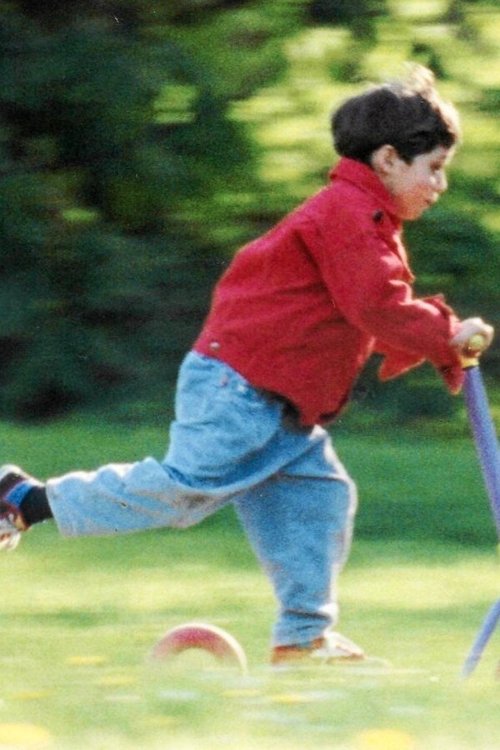
A story of life and death, featuring Lozinski's six-year-old son Tomaszek and elderly people spending time on the benches of a Warsaw park. Riding his scooter, Tomaszek asks the elderly very adult, though basic, questions, which they are happy to answer. The boy's ideas of future and life are confronted with those of men at the end of their lives.
2005
1961
1980
1978
2006

2002
1968

2014
No reviews yet. Be the first to share your thoughts on this movie!
Use the rating form above to leave a star rating and optional review.