
The Old Gun
1975
No user ratings available yet
Representation score: 0.9 out of 10
Representation Score
Limited
1973
PGDirector
Pierre Granier-Deferre
Runtime
95 minutes
Average Rating
No ratings yetNew Showbiz Analysis
The film prioritizes historical authenticity and psychological realism over modern progressive themes. It functions as an intimate study of human tension within the constraints of the 1940s. Its primary strength lies in depicting the overlapping vulnerabilities of ethnicity and class during the Holocaust. The story uses these factors to drive the drama. However, the film remains bound by the social hierarchies of its era. It does not attempt to disrupt traditional gender or sexual norms, resulting in a score that reflects historical groundedness.
Category Breakdown
The film focuses on survival during the German occupation of France. It contains no evidence of non-straight identities or same-sex intimacy, adhering to the assumption that everyone is straight or cisgender.
Gender dynamics reflect the mid-20th-century historical context. While the female protagonist plays a significant role in driving the story, the film does not actively seek to challenge traditional gender roles.
The cast is predominantly white and European, reflecting the historical reality of 1944 France. However, the inclusion of a Jewish German woman introduces critical ethnic complexity and narrative tension.
The narrative explores situational ethics and the breakdown of social orders during wartime. It examines how broader social upheavals and class friction impact individuals within a fractured historical landscape.
There is no significant evidence regarding the portrayal of visible or invisible disabilities as a central narrative element.
Present on Screen
Limited or Absent
Official Synopsis
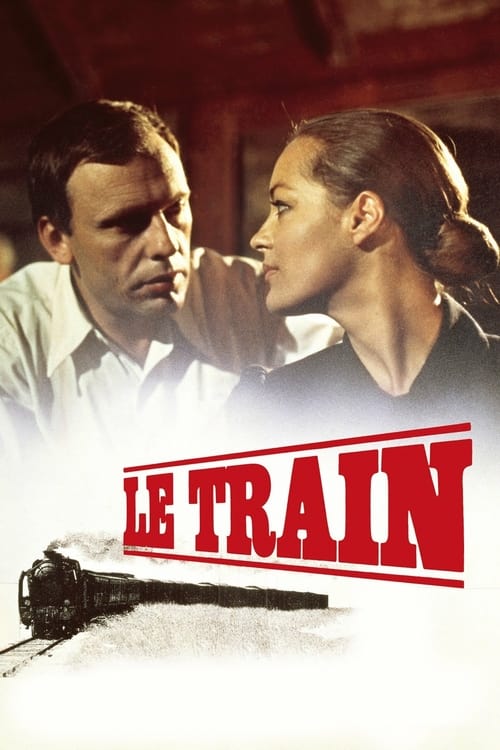
Two people, a Frenchman and a Jewish German woman, meet on a train while escaping the German army entering France.
1975
1999

2016

1959
1997
1995
1981

2006
No reviews yet. Be the first to share your thoughts on this movie!
Use the rating form above to leave a star rating and optional review.