
Born to Gamble
1935
No user ratings available yet
Representation score: 1.1 out of 10
Representation Score
Limited
1925
Director
Jean Epstein
Runtime
103 minutes
Average Rating
No ratings yetNew Showbiz Analysis
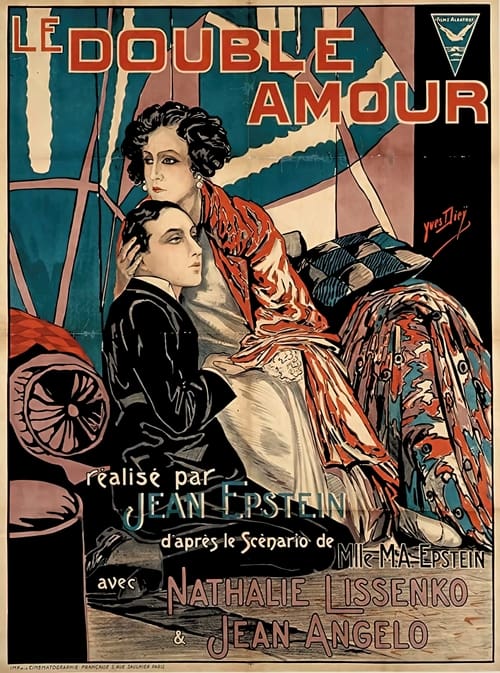
Jean Epstein’s work emphasizes psychological interiority and sensory experience, often challenging traditional storytelling methods. In *Double Love*, this is evident through an exploration of character compulsion and the repetitive cycle of failure. The film highlights the resilience and ability to act of Nathalie, contrasting her strength with the ineptitude of the male protagonist. However, the narrative remains centered on a predominantly European cast and conventional romantic themes. While the film avoids traditional stereotypes of female passivity, it does not offer a broad range of diverse identities or perspectives that reflect multiple aspects of identity.
Category Breakdown
The film does not include explicit LGBTQ+ characters or non-straight relationships. The focus is on the romantic and family connections between Jacques and Laure.
Nathalie shows significant resilience and plays a key role in driving the story by taking responsibility for Jacques's actions. Her success as a nightclub singer challenges traditional views of women as passive.
The cast seems to consist mainly of characters with European backgrounds. Although the setting changes from France to the United States, there is no indication of a diverse, non-white cast.
The story examines moral ambiguity and character compulsion within urban, secular settings. It does not have a clear anti-Western or anti-capitalist stance.
There are no characters with visible or invisible disabilities. None of the characters are shown with disabilities as central plot devices.
Present on Screen
Limited or Absent
Official Synopsis
Jacques Prémont-Solène is a degenerate gambler and his losses at baccarat have bankrupted his lover, Laure Maresco. When he steals four hundred thousand francs and loses that at the gambling tables, he flees to the United States, and Nathalie takes the blame. Twenty years later, she has a flourishing career as a nightclub singer, but their son is just as inept a gambler as his father had been.
1935

1931
1924

1930

1932

1924

1958

1932
No reviews yet. Be the first to share your thoughts on this movie!
Use the rating form above to leave a star rating and optional review.