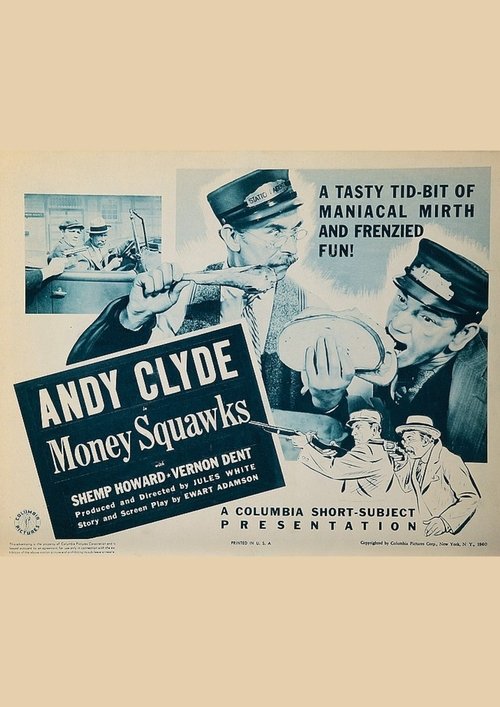
Money Squawks
1940
No user ratings available yet
Representation score: 1.6 out of 10
Representation Score
Limited
1941
PassedDirector
William West
Runtime
63 minutes
Average Rating
No ratings yetNew Showbiz Analysis
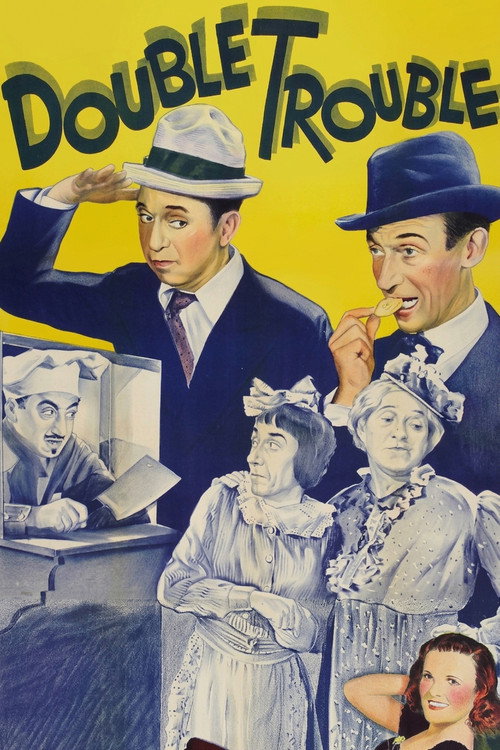
Double Trouble is a product of the Monogram Pictures 'Poverty Row' era, prioritizing formulaic slapstick over social complexity. The narrative relies on traditional clichés that uphold the homogeneous social norms of 1941. The film lacks intentionality in challenging power dynamics or identity hierarchies. Instead, it reinforces mid-century status quos through its focus on male-driven physical comedy and conventional character types. Ultimately, the production serves as a typical period piece reflecting the limited representation common in low-budget studio comedies from this era.
Category Breakdown
The film does not include any LGBTQ+ characters or non-straight identities. It focuses on two brothers, reinforcing traditional family structures common in 1941 comedies.
The story is driven by two male protagonists, Harry Langdon and Charley Rogers. Female characters are mostly in supporting or domestic roles, typical of the slapstick genre.
The cast includes well-known white comedic actors of the time. There is no indication of a predominantly non-white cast or significant racial diversity in the New York cannery setting.
The film follows conventional comedic clichés of the period, emphasizing physical humor. It uses an industrial setting without critiquing social or economic structures.
The protagonists are portrayed as clumsy, using physical ineptitude as a comedic device. There is no evidence of neurodivergence or disability being shown with real influence.
Present on Screen
Limited or Absent
Official Synopsis
Harry Langdon and Charley Rogers star in this 1941 Monogram comedy, about two bumbling brothers who take jobs at a New York food cannery and accidentally lose a valuable diamond inside a can of pork-and-beans.
1940
1936
1934
1929
1950
1940
1928
1940
No reviews yet. Be the first to share your thoughts on this movie!
Use the rating form above to leave a star rating and optional review.