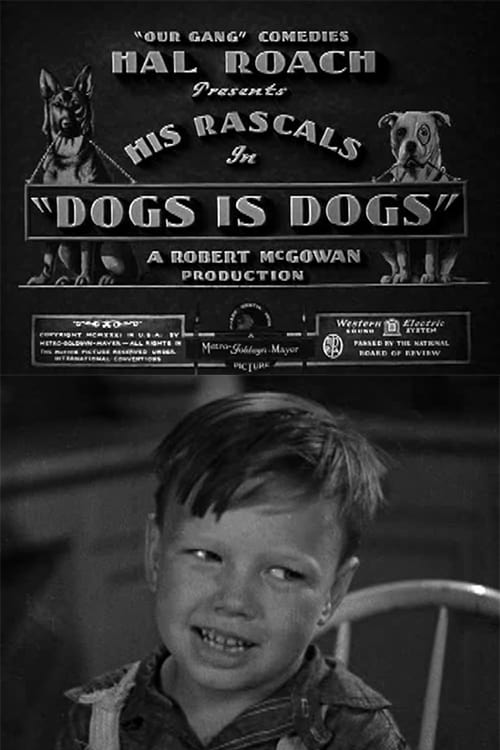
Dogs Is Dogs
1931
No user ratings available yet
Representation score: 1.9 out of 10

Representation Score
Limited
1938
ApprovedDirector
William C. McGann
Runtime
63 minutes
Average Rating
No ratings yetNew Showbiz Analysis
Penrod and His Twin Brother is a period-typical comedy that operates within the strict social hierarchies of the late 1930s. The narrative structure focuses on conventional domesticity and childhood conflict, offering limited demographic diversity. The film lacks complexity in representing diverse identities, as it does not feature varied racial, gendered, or LGBTQ+ perspectives. Instead, it adheres to the homogeneous casting and traditional social norms typical of the studio era. Ultimately, the work serves as a snapshot of 1938 cinematic standards, emphasizing established social stability over progressive or subversive storytelling.
Category Breakdown
The film does not include any LGBTQ+ characters or narratives. It follows the social norms of 1938 and omits non-traditional gender identities.
The focus on childhood mischief and a spoiled friend reflects traditional character dynamics. Women do not demonstrate significant influence or challenge gender hierarchies.
The production reflects the homogeneous casting practices of the era. The narrative centers on a traditional Anglo-Saxon social framework without any non-white representation.
The premise reinforces conventional social stability and traditional morality. It lacks anti-capitalist, anti-Western, or secularist themes, focusing instead on standard social structures.
There is no indication of characters with visible or invisible disabilities. Such themes were largely absent from mainstream domestic narratives during this period.
Present on Screen
Limited or Absent
Official Synopsis
Penrod Schofield's mischievous dog, Duke, is falsely accused of biting Penrod's spoiled friend, Rodney.
1931
1937
1954
1939
1925
1936
1929
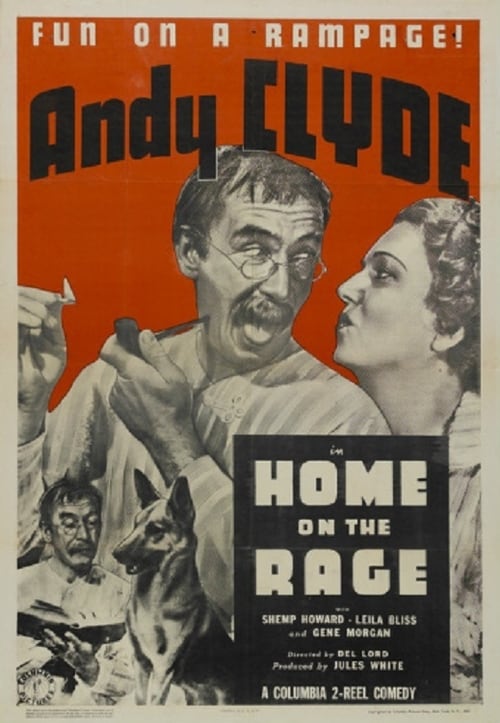
1938
No reviews yet. Be the first to share your thoughts on this movie!
Use the rating form above to leave a star rating and optional review.